What are bonded warehouses and overseas warehouses?
A bonded warehouse is a supervised facility approved by customs, specially for storing uncleared imported goods. Goods entering a bonded warehouse pay no import duties or import-linked taxes; duties are triggered only when goods actually leave the warehouse for sale. This institutional design greatly eases traders' capital pressure and gives more time for clearance operations.
An overseas warehouse is a local storage facility built or leased in the destination country/region. Goods are shipped in bulk to the overseas warehouse, then when the customer orders online or offline in the destination country, the warehouse ships locally, shortening last-mile delivery time. For the Central Asia market, overseas warehouses effectively solve the slow cross-border delivery and low successful-delivery rate.
The core difference: bonded warehouses focus on import clearance optimization.
Inventory pre-positioning: shortage-risk management for Central Asia customers

Retailers and wholesalers in the five Central Asian countries face a long-standing pain point: from Chinese factory production to actual cargo arrival at destination, the cycle is usually 20–45 days. During this period, port congestion, border inspection delays, or seasonal transport peaks can easily cause a "stockout crisis", especially for machinery parts, building materials, and consumer goods.

Xier's solution is to pre-store marketable goods in bonded warehouses at the three major ports — Khorgos, Alashankou, and Irkeshtam. Customers can submit a stocking plan to Xier based on historical sales data; the export declaration process starts when goods are loaded at the domestic factory, and after entry the goods wait in the bonded warehouse. Once port clearance is done, goods can be transferred immediately to the customer's distribution warehouse in Kazakhstan, Uzbekistan, or Kyrgyzstan — shortening the full cycle by 3–7 days.
This model is especially important for engineering materials and seasonal goods. Take building materials: every April–October is Central Asia's construction peak, with cargo shipping highly concentrated; pre-positioning inventory at port bonded warehouses ahead of time effectively avoids delay risk from peak-season congestion.
Bonded warehouse clearance acceleration: Xier's 50,000 m² core advantage

Xier International Logistics currently operates a total of over 50,000 m² of bonded warehouses at the three major ports — Khorgos, Alashankou, and Irkeshtam.
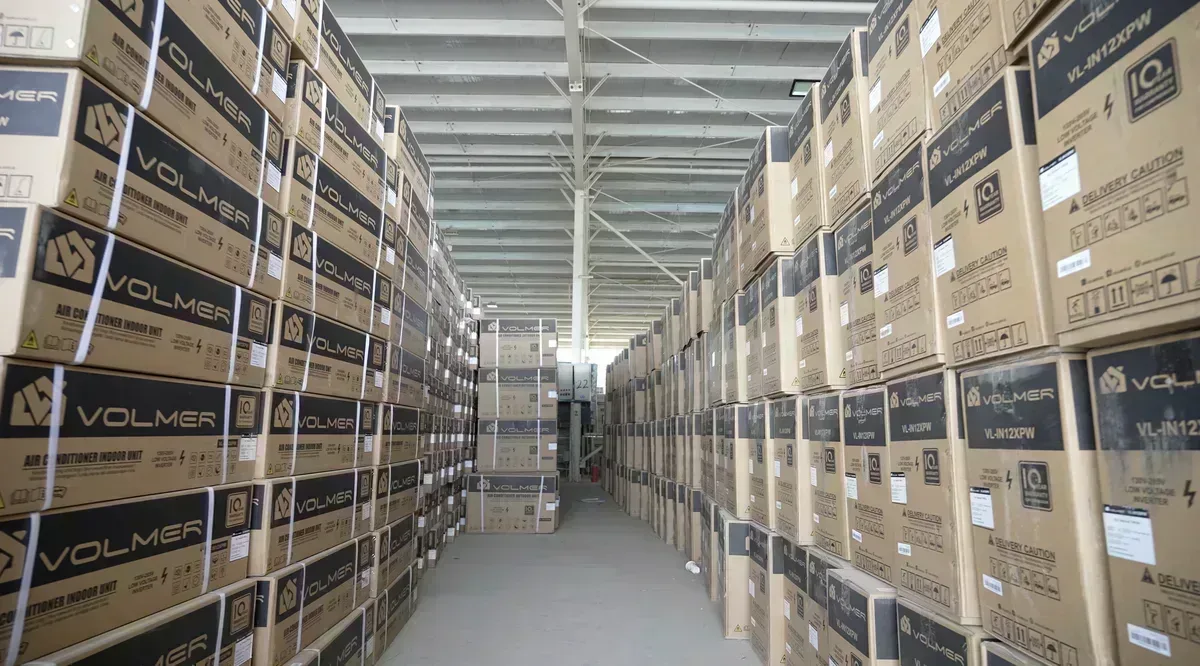
The core logic of bonded warehouse clearance is "break bulk into pieces, clear in batches": after goods enter the bonded warehouse in bulk, clearance can be done in batches based on the customer's actual sales. This avoids the higher inspection probability of "one-time bulk clearance" and lets enterprises flexibly choose the best clearance timing based on exchange rates and market price fluctuations.
In addition, the bonded warehouse export-tax-rebate process is smoother. Goods complete export declaration when leaving the domestic factory, and after entering the bonded warehouse are treated as "quasi-exported". After actual warehouse-exit clearance, enterprises can apply for tax rebates with complete customs documents — shortening the cycle by about 5–10 working days vs the traditional model.
Xier has resident staff at 9 major ports, keeping real-time communication with customs to ensure seamless connection of warehouse entry/exit declaration and inspection cooperation.
Digital tracking: domestic and overseas inventory two-way coordination
Warehouse layout is just the foundation; Xier's digital tracking platform is the real core competitiveness. Customers can view in real time via the platform: bonded warehouse inventory level, in-warehouse cargo status, historical outbound records, port clearance progress, and the in-transit trail from warehouse to destination city.
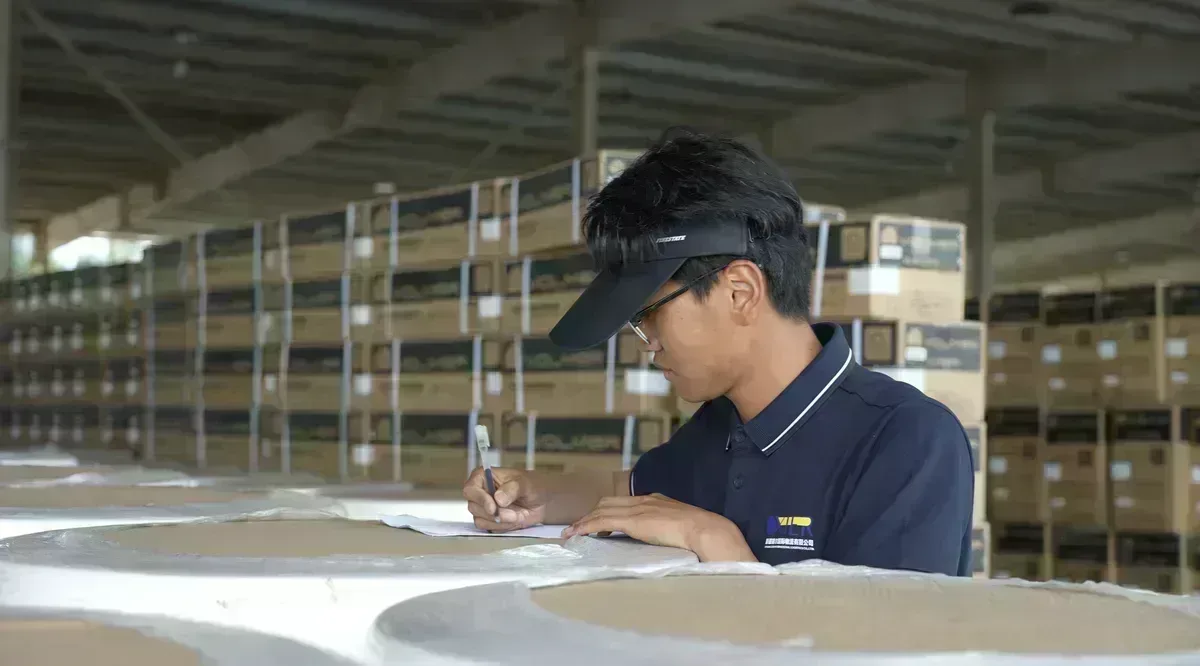
The platform's alert function helps customers sense inventory consumption speed in advance; when a type of goods' in-warehouse stock falls below the safety level, the system automatically triggers a restocking reminder. Customers can submit additional stocking instructions directly on the platform, and Xier's team responds in sync — full-process visual control from factory shipment to warehouse entry.
For customers operating overseas warehouses abroad, the platform also supports a merged view of domestic and overseas dual-warehouse inventory, helping management coordinate inventory allocation strategy from a global perspective.
Xier bonded warehouse core capabilities at a glance

| Capability dimension | Total bonded warehouse area | Supported cargo types | Port resident staff | Digital management | Clearance support |
|---|
Frequently Asked Questions (FAQ)
1. What is the difference between a bonded warehouse and an overseas warehouse? Which should I choose?
A bonded warehouse solves the efficiency and capital-occupation problem of the "import clearance" step — suited to traders who need to purchase in bulk from China and redistribute to Central Asian countries; an overseas warehouse solves the "destination-country delivery" speed problem — suited to cross-border e-commerce or retailers who need fast local shipping. The two have different positioning; Xier recommends choosing based on your business model, or combining both.
2. Where are Xier's bonded warehouses?
Xier has built and operates bonded warehouses at three major Central Asia ports — Khorgos, Alashankou, and Irkeshtam — with a total area over 50,000 m². For specific storage specs and available space, contact Xier customer service for a tailored plan.
3. Can I apply for export tax rebate while goods are stored in a bonded warehouse?
Yes. Goods complete export declaration when entering the bonded warehouse; normally enterprises can apply for tax rebate with complete documents after goods exit for clearance. Xier handles the full process to help customers shorten the rebate cycle.
4. Can dangerous goods be stored in Xier's bonded warehouses?
Yes. Xier's bonded warehouses support separate storage of dangerous and general goods, with corresponding hazardous-chemical storage qualifications and management standards. Specific categories and storage conditions can be consulted with Xier customer service.
5. How long does clearance from bonded warehouse exit generally take?
With complete procedures and no inspection exceptions, from bonded warehouse exit to completion of clearance, Xier can help customers within 1–3 working days.
If you want to know how to optimize your Central Asia supply chain through bonded warehouse inventory pre-positioning, contact Xier International Logistics for a dedicated plan assessment.
About the Author: Xier International Logistics specializes in Central Asia logistics market analysis and digital solutions. This article is based on Xier International Logistics' 10 years of frontline data and industry research and is for reference only; specific plans should be tailored to cargo characteristics.