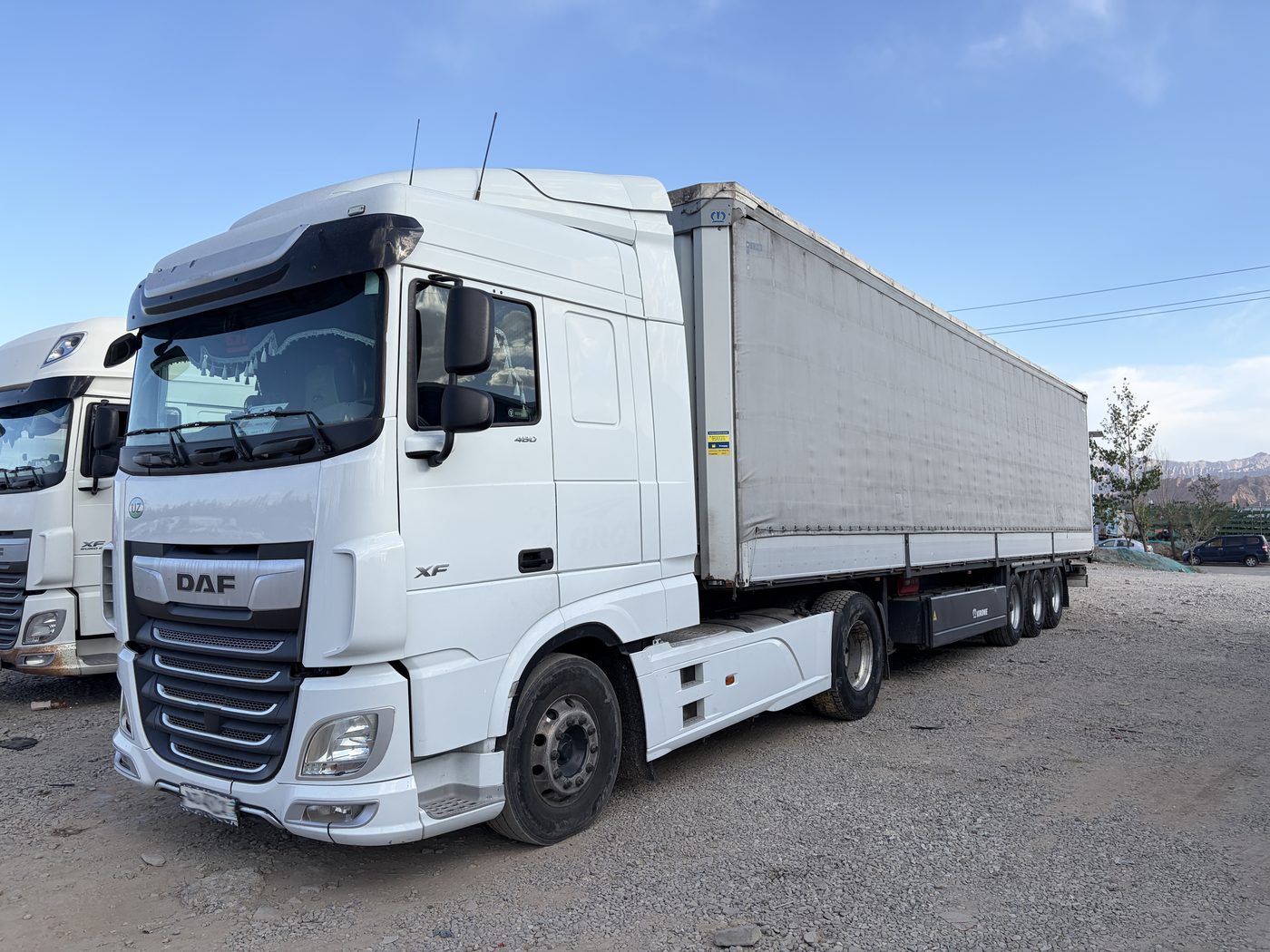
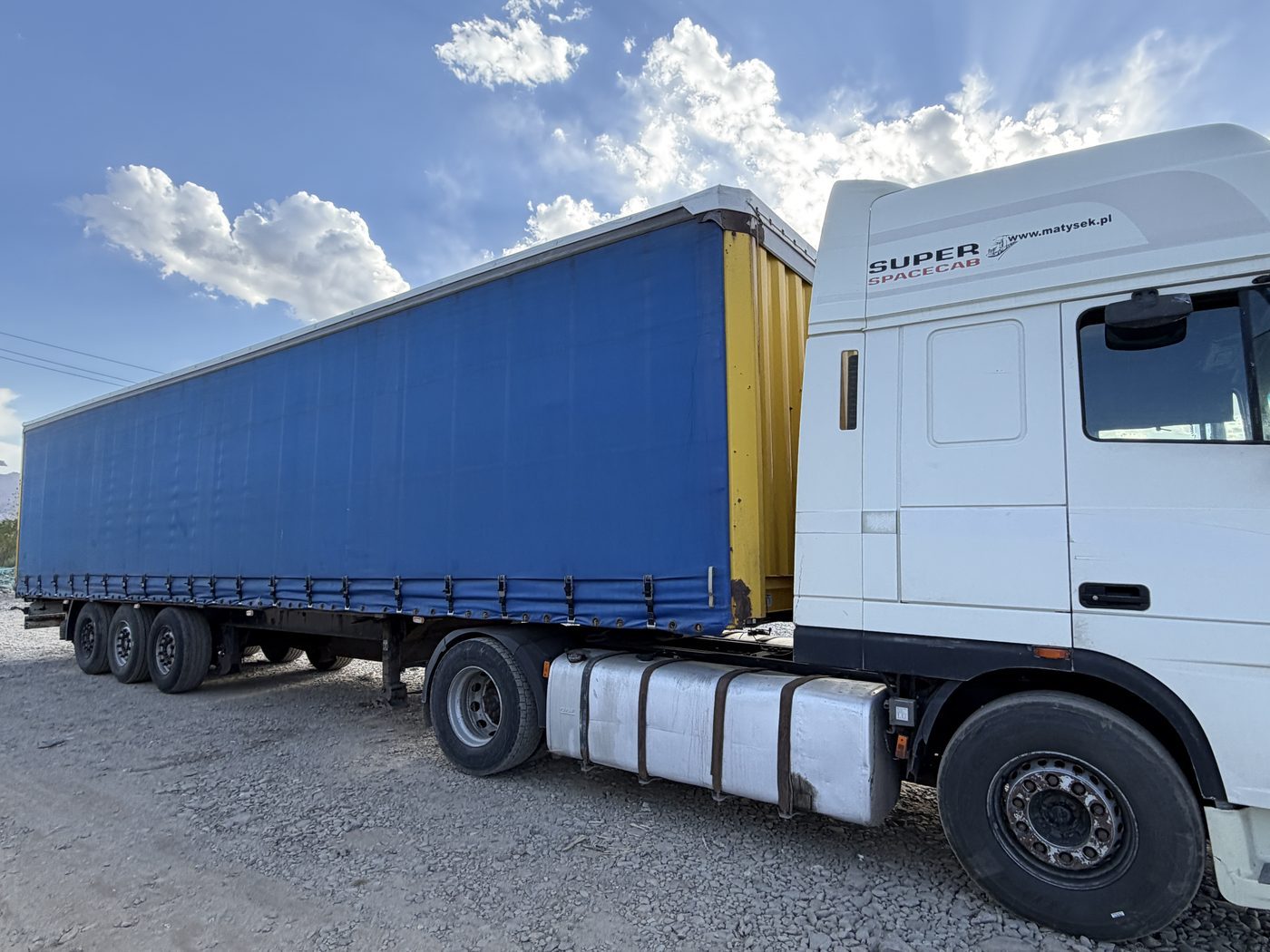
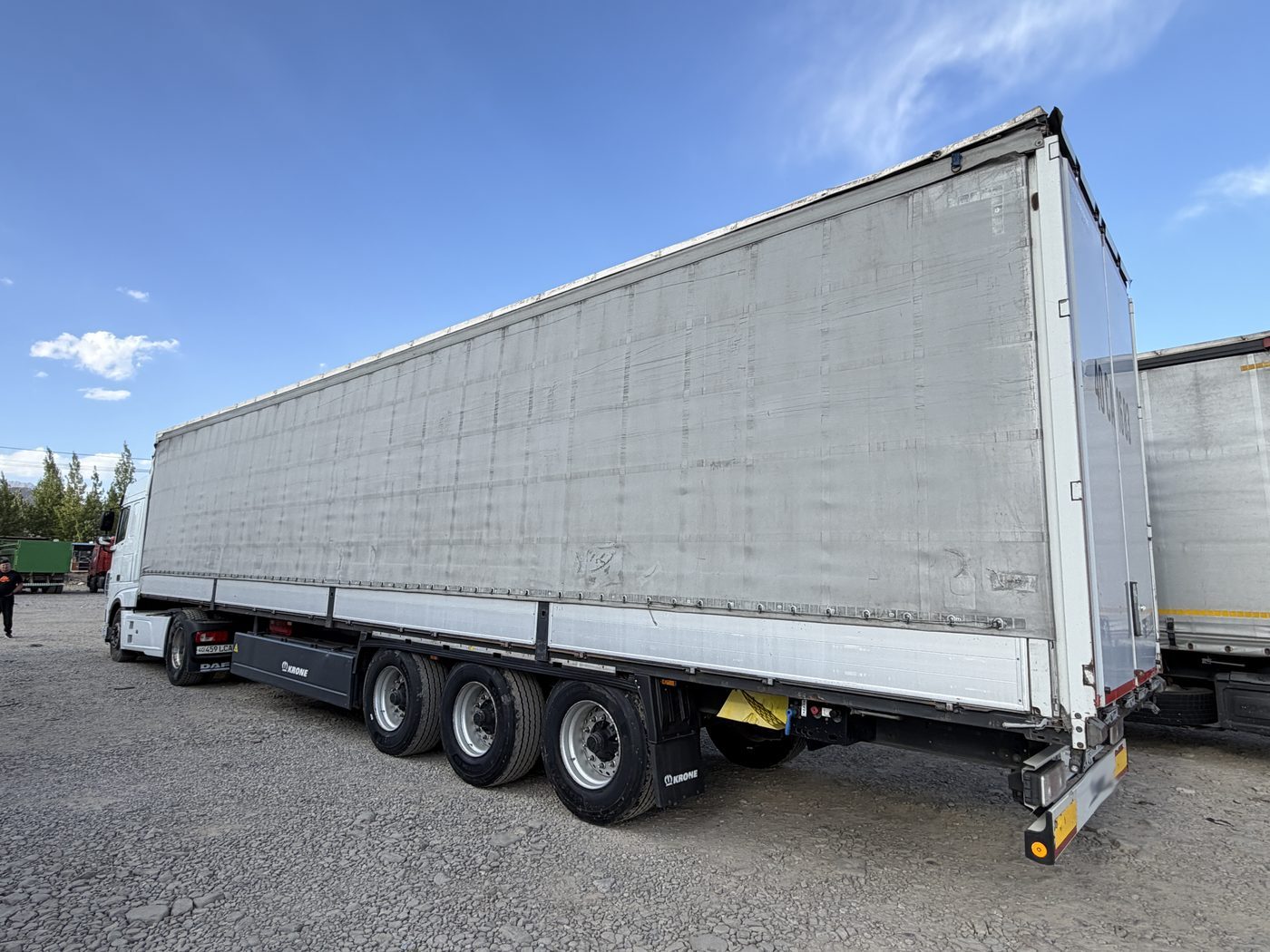
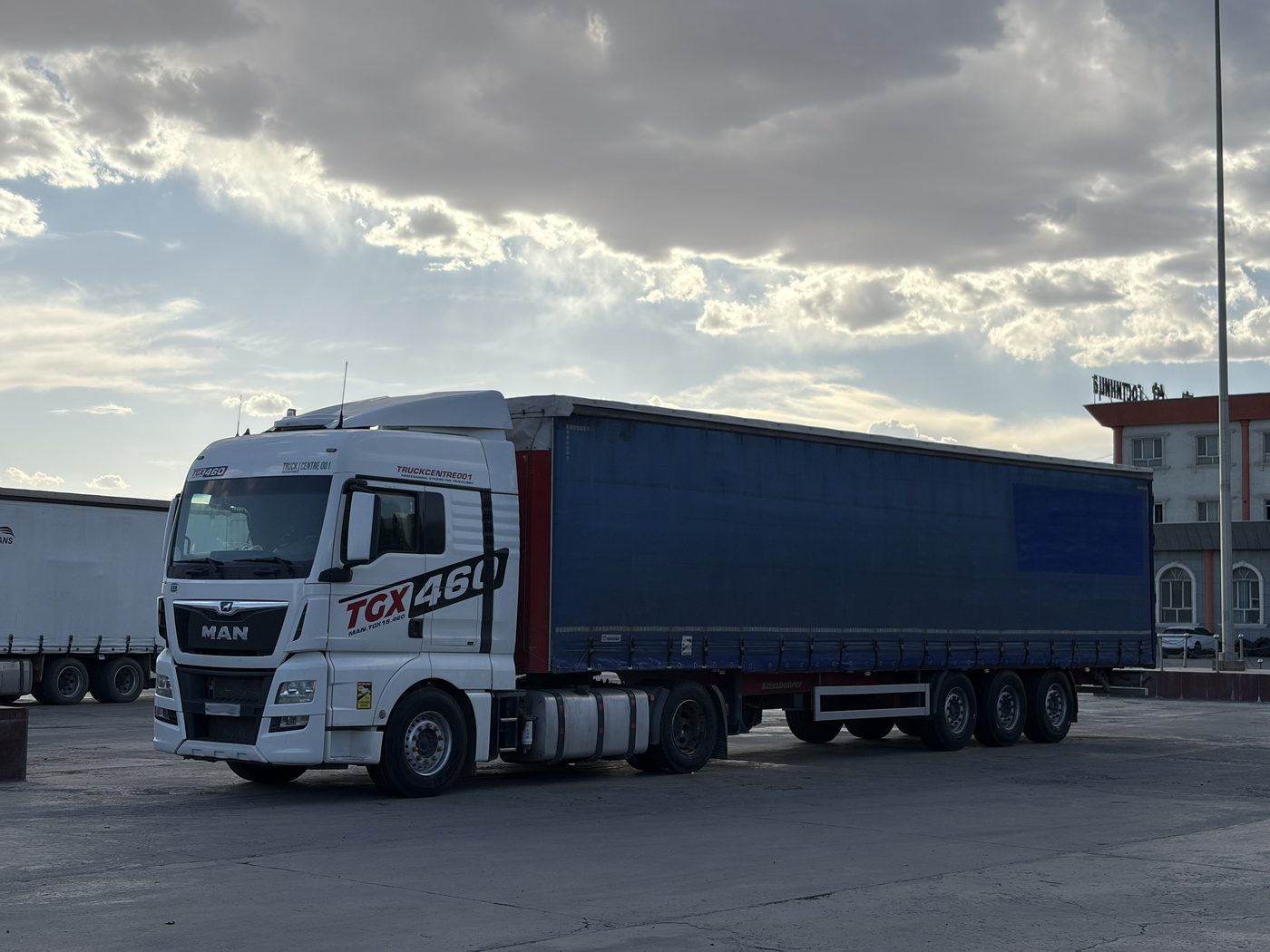
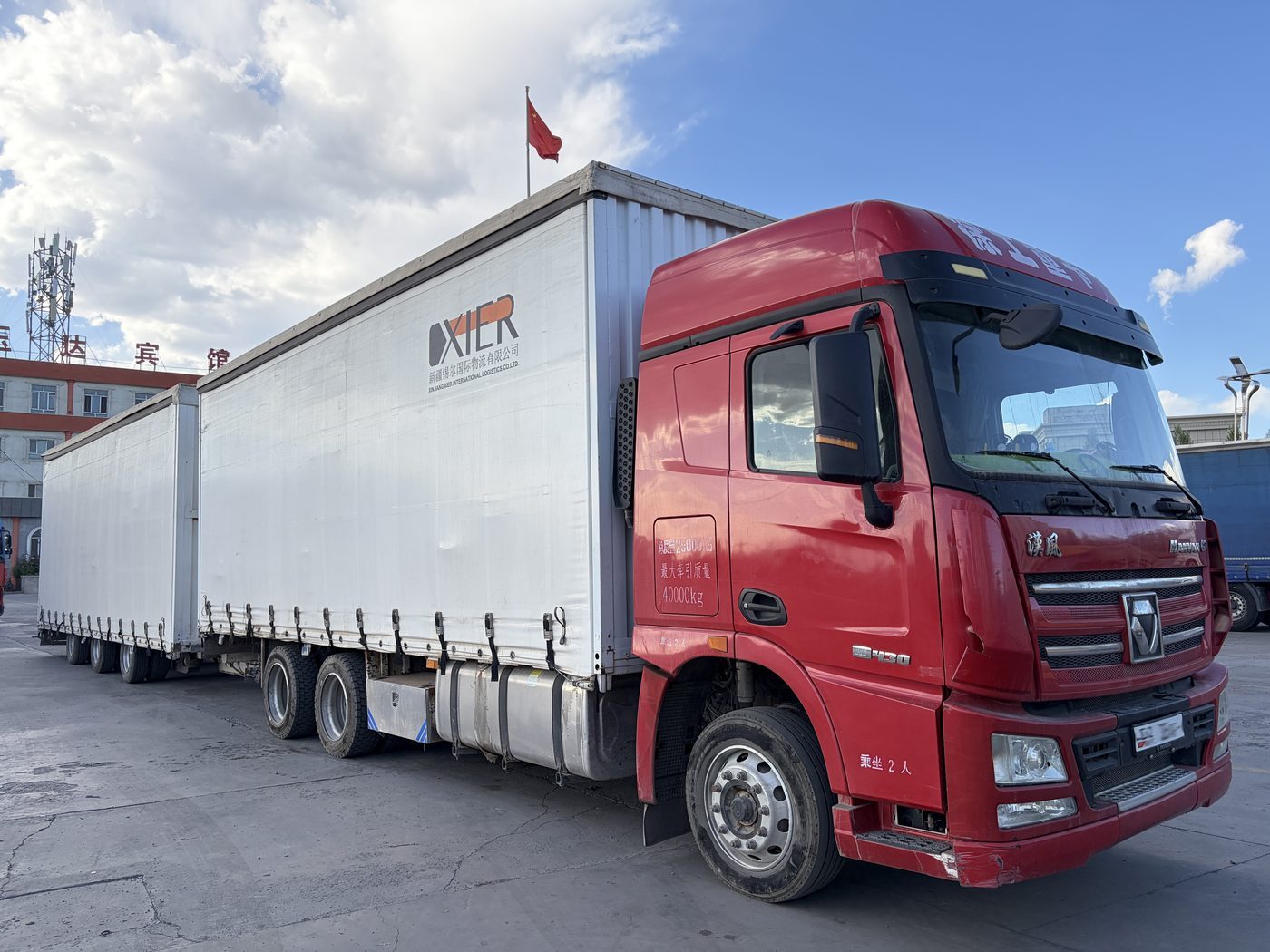
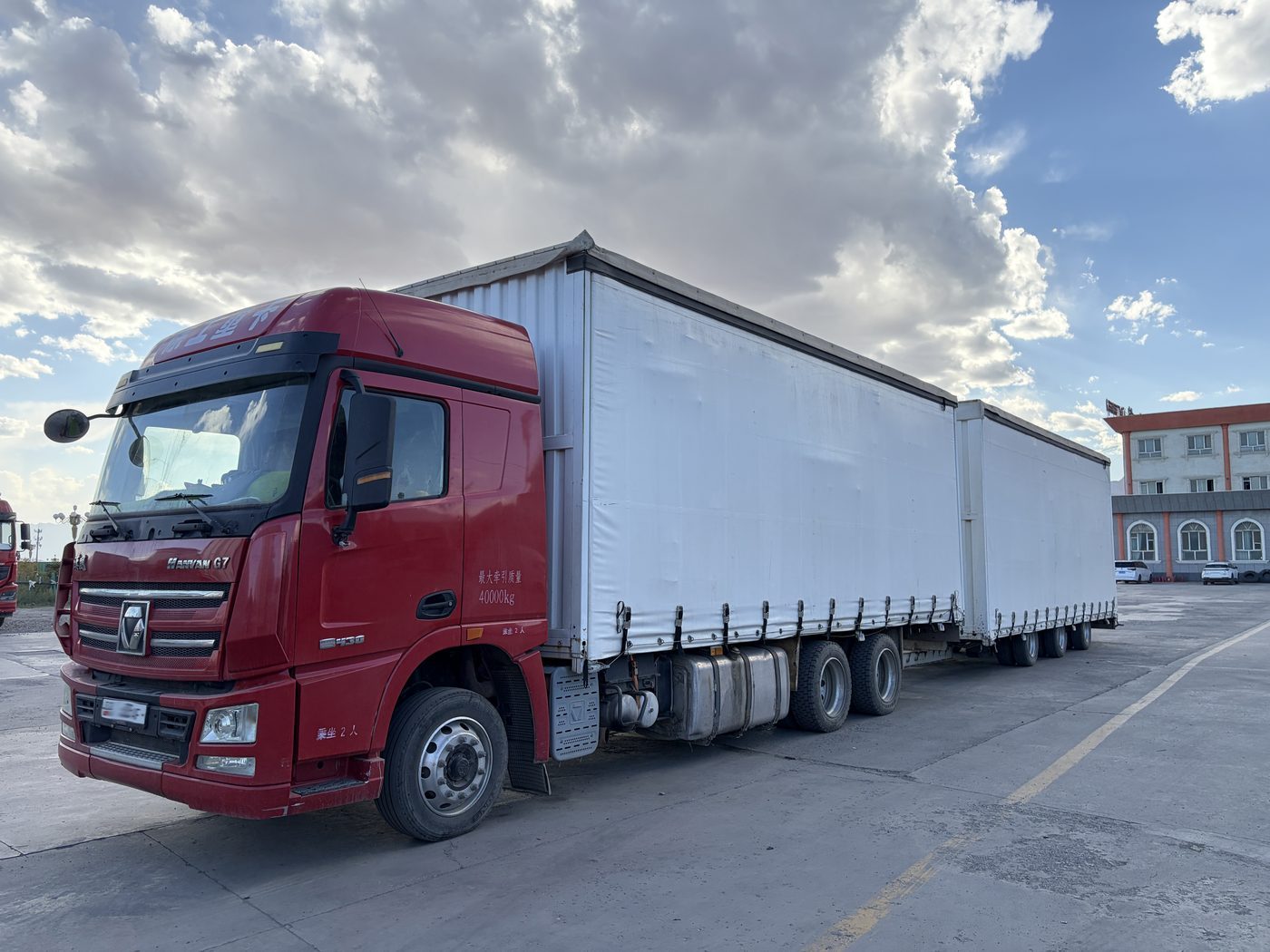
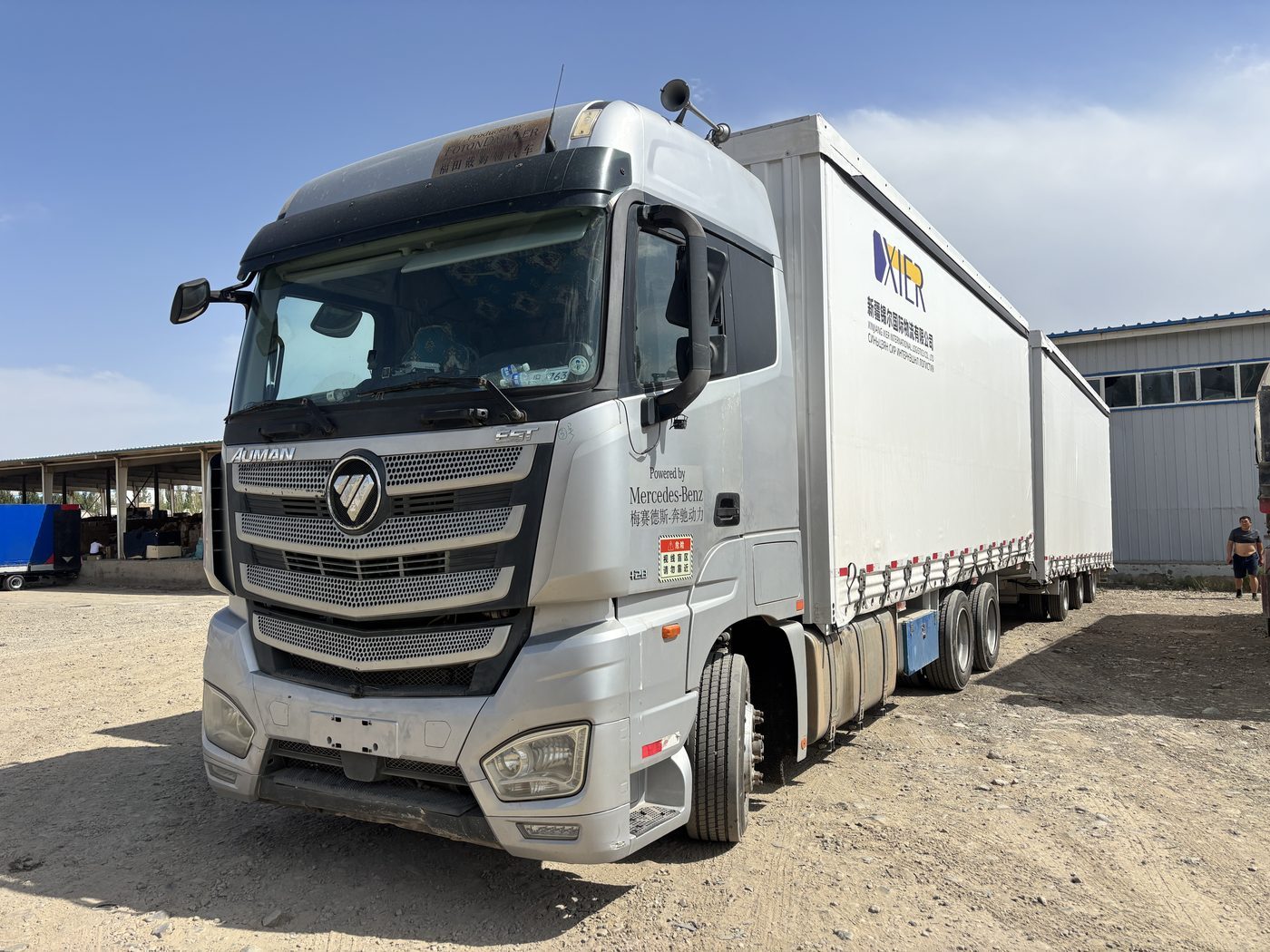
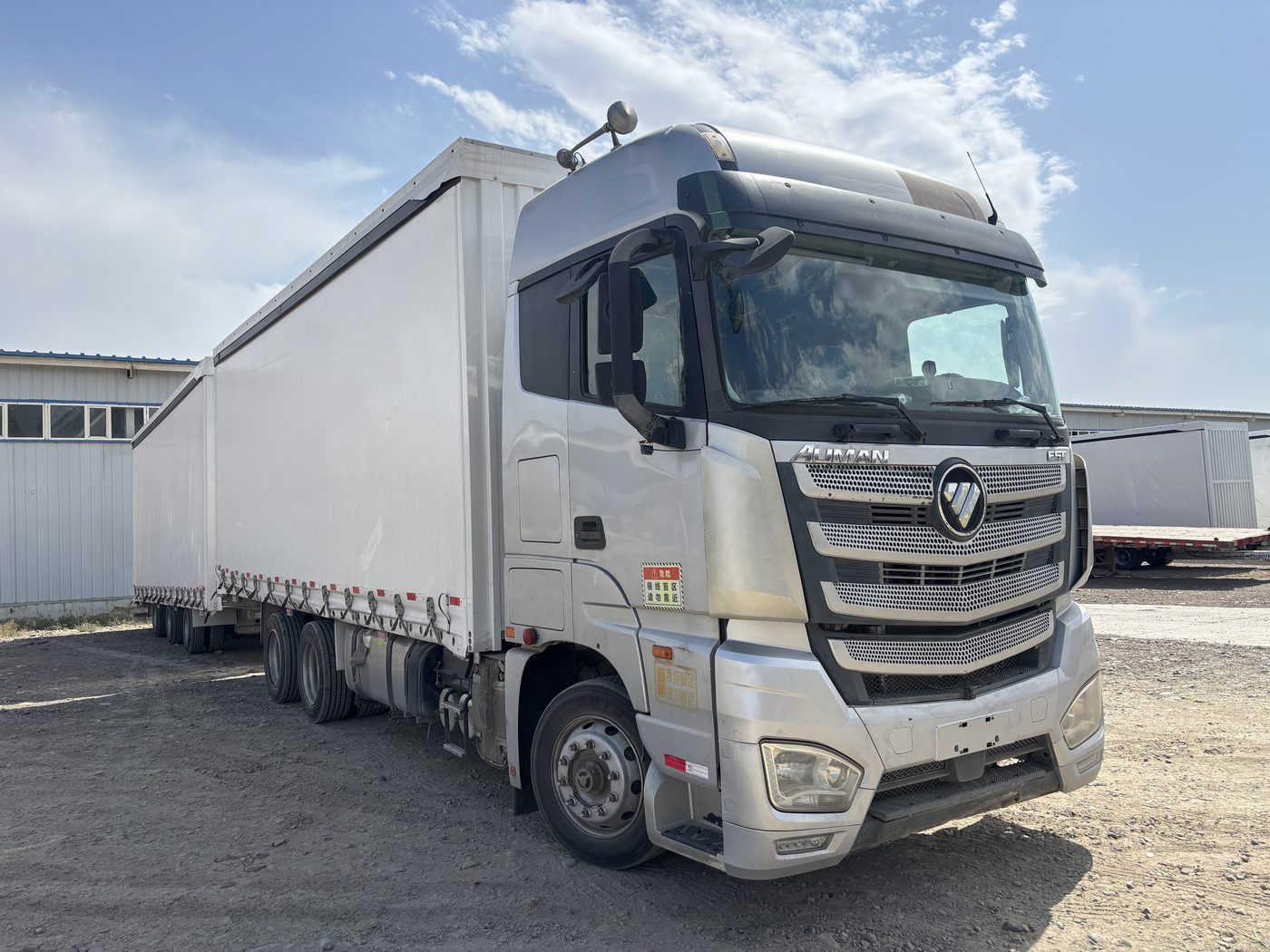
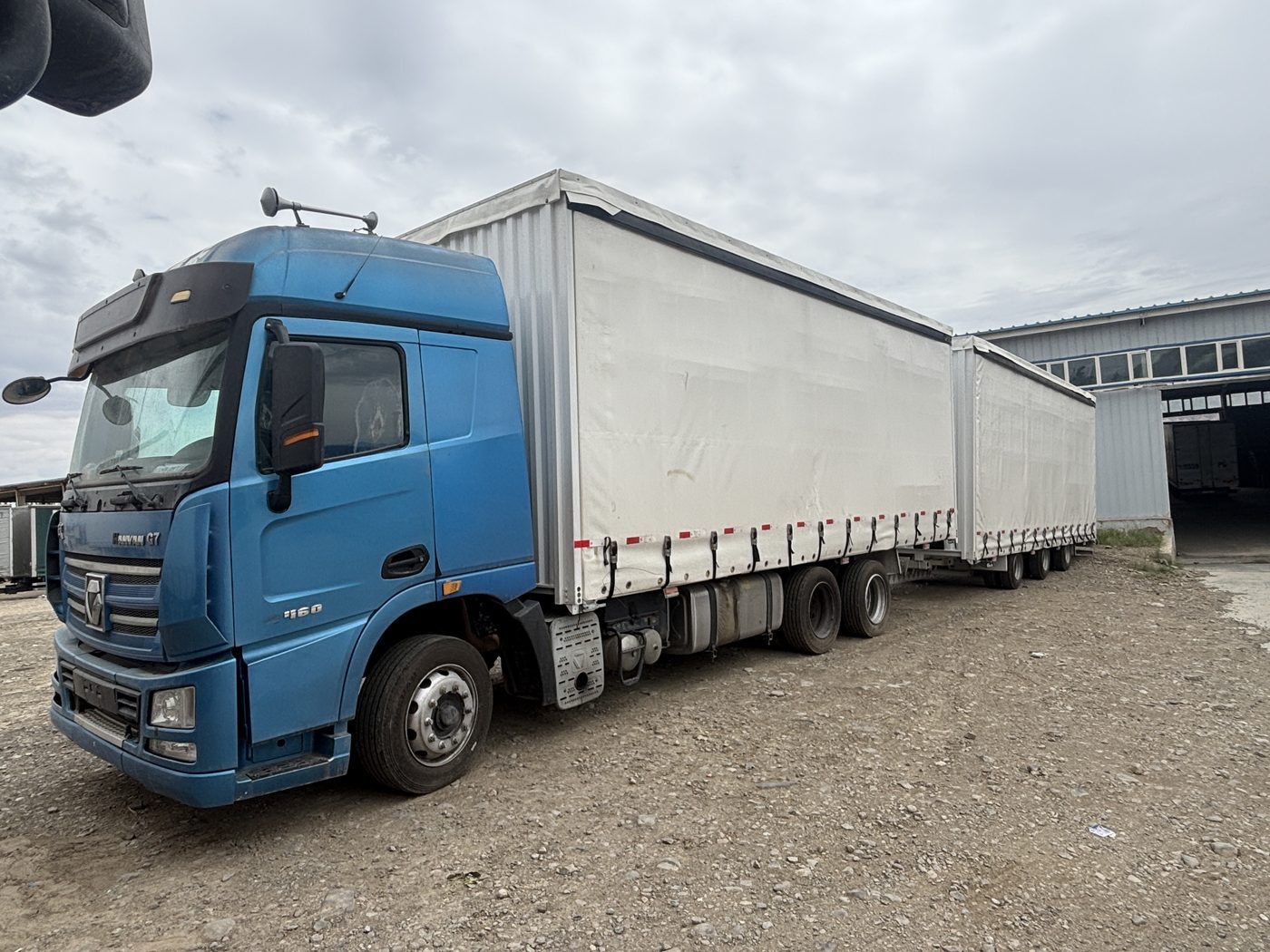
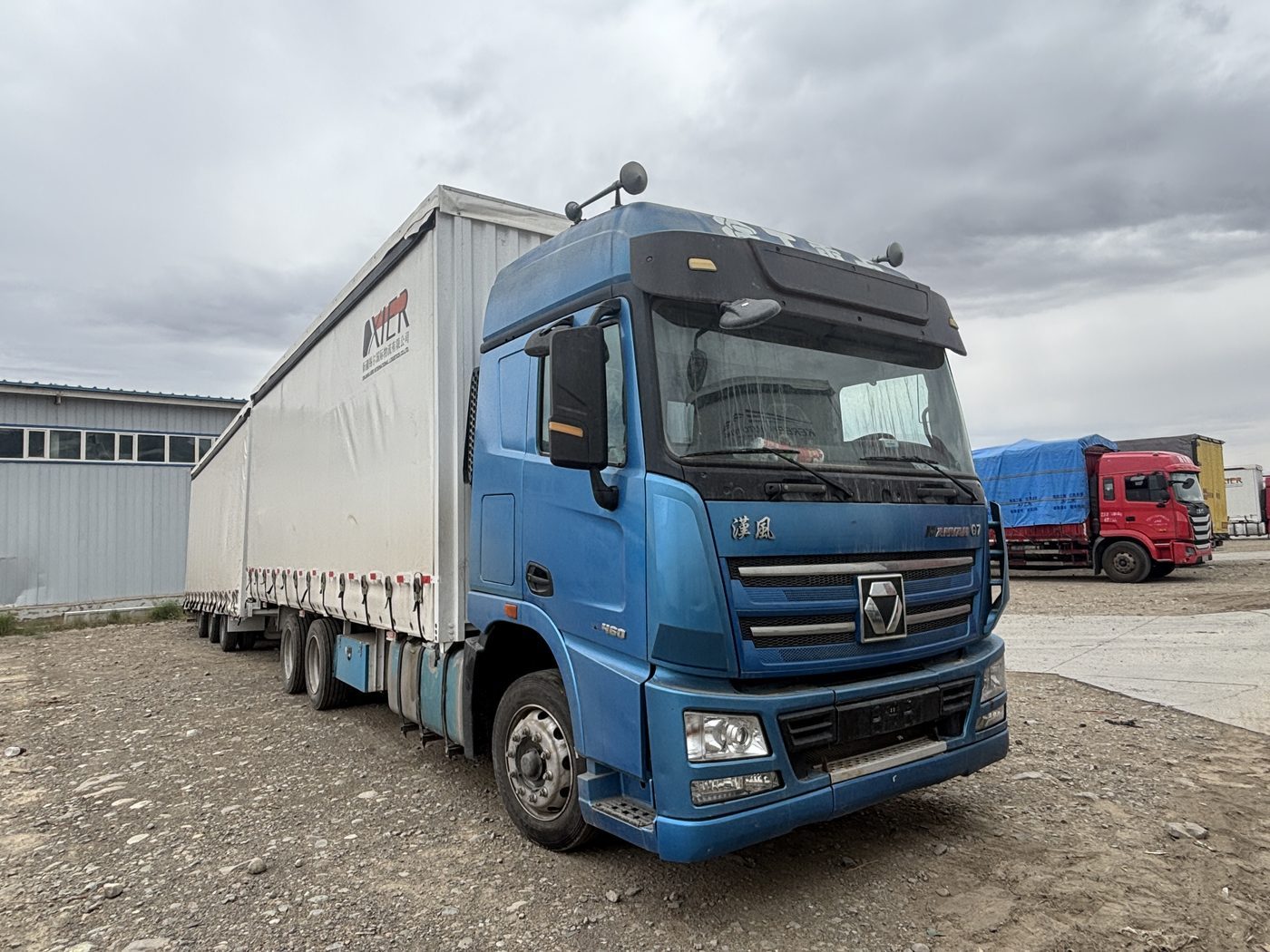
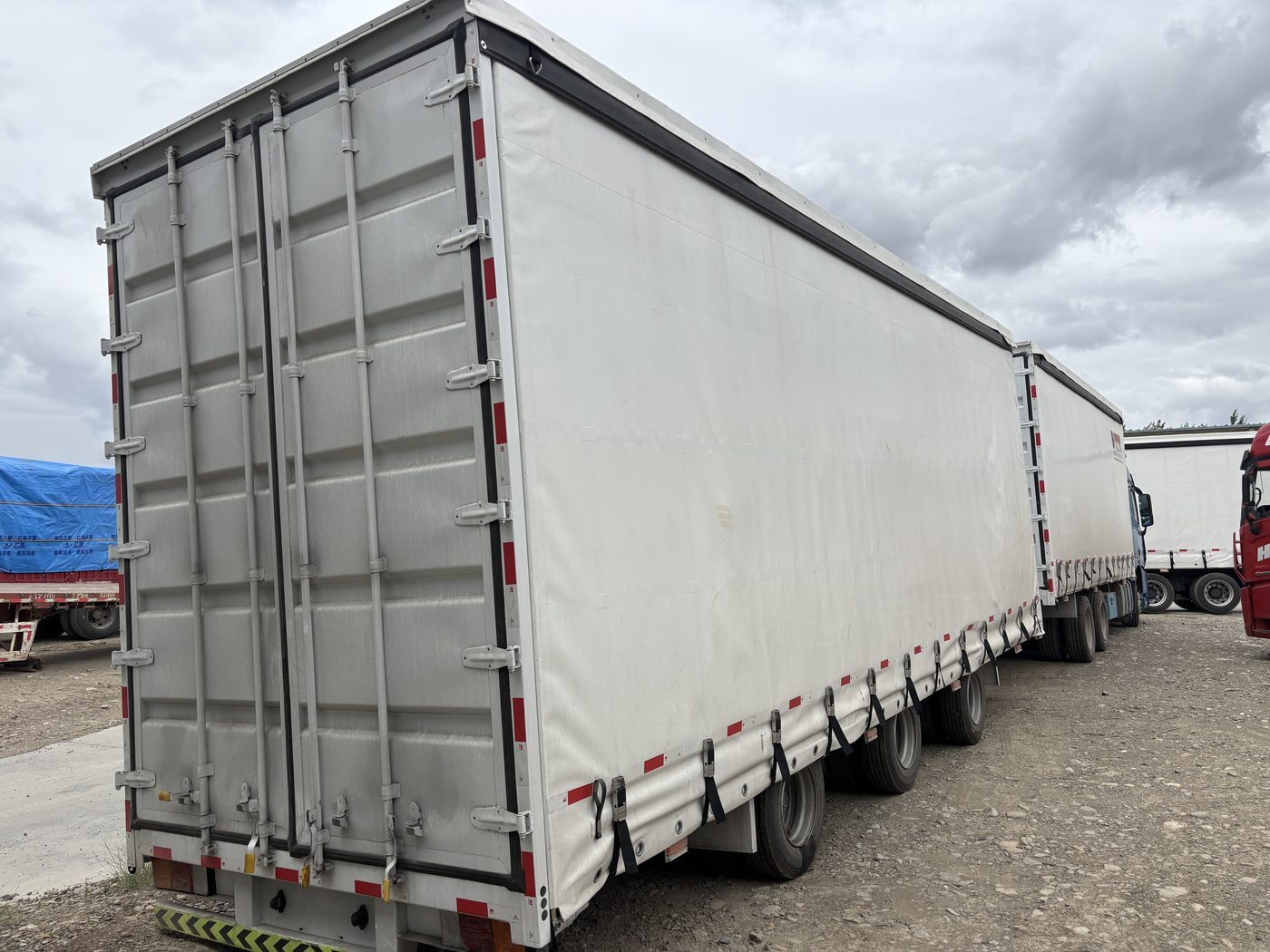
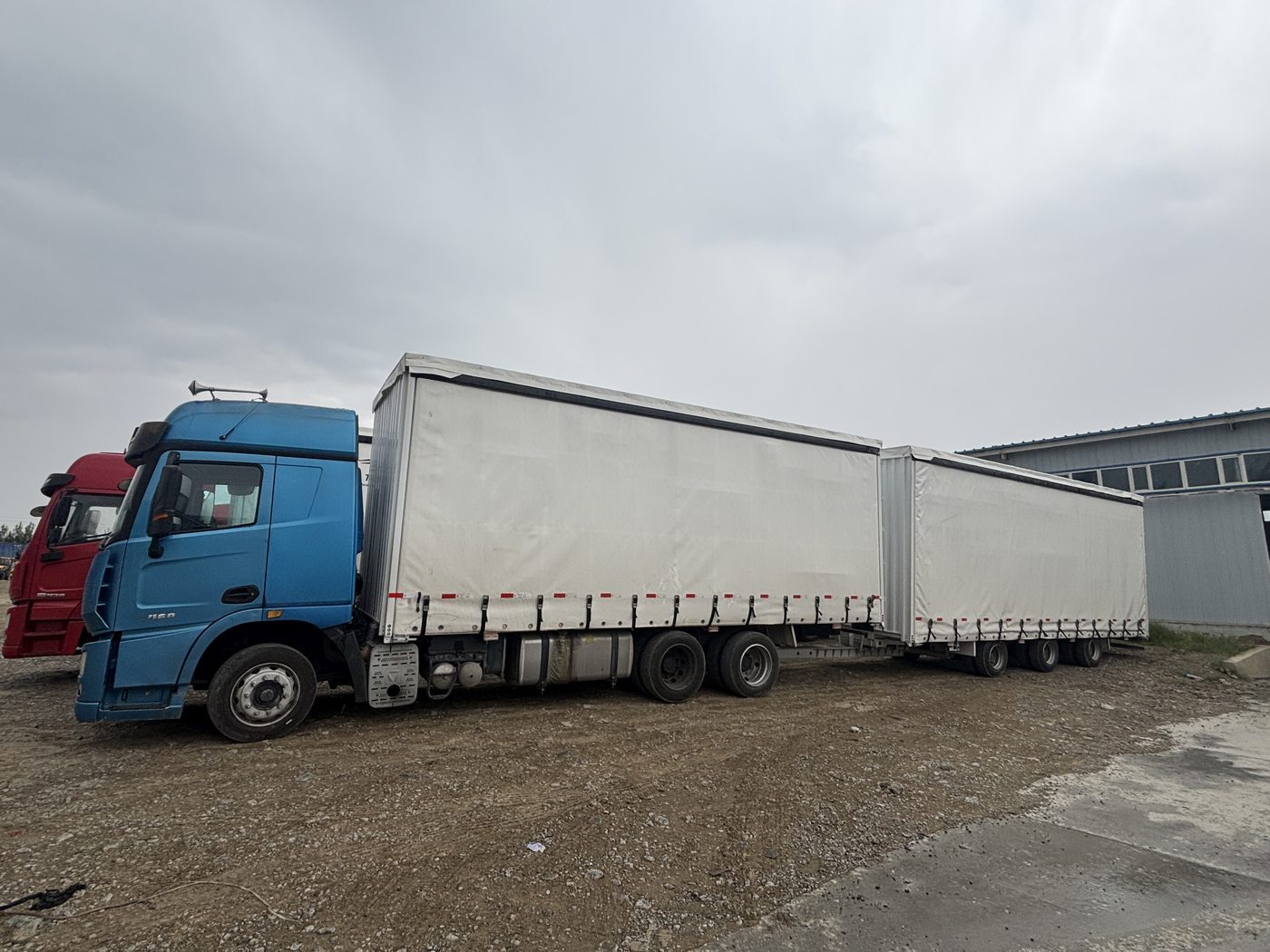
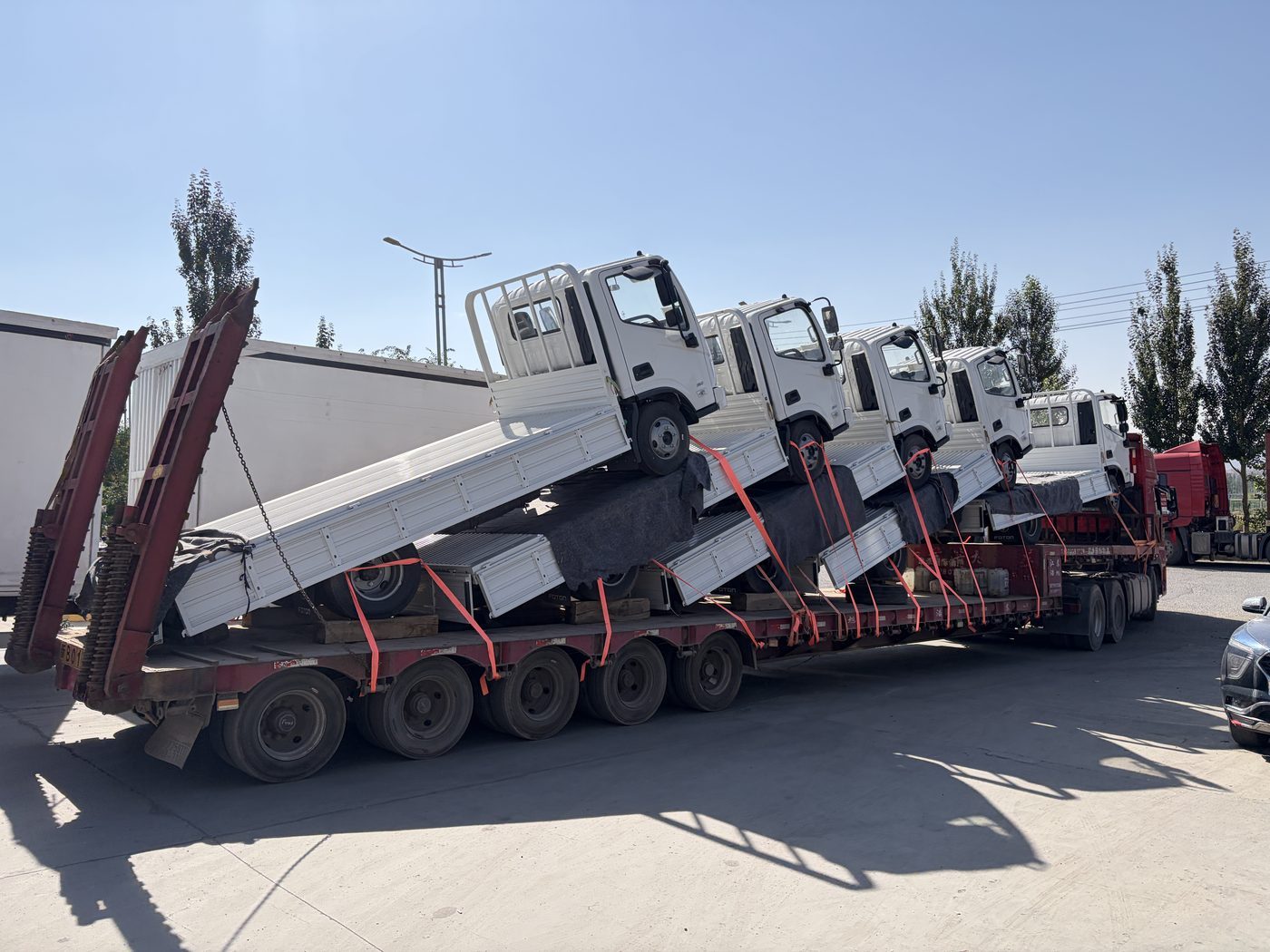
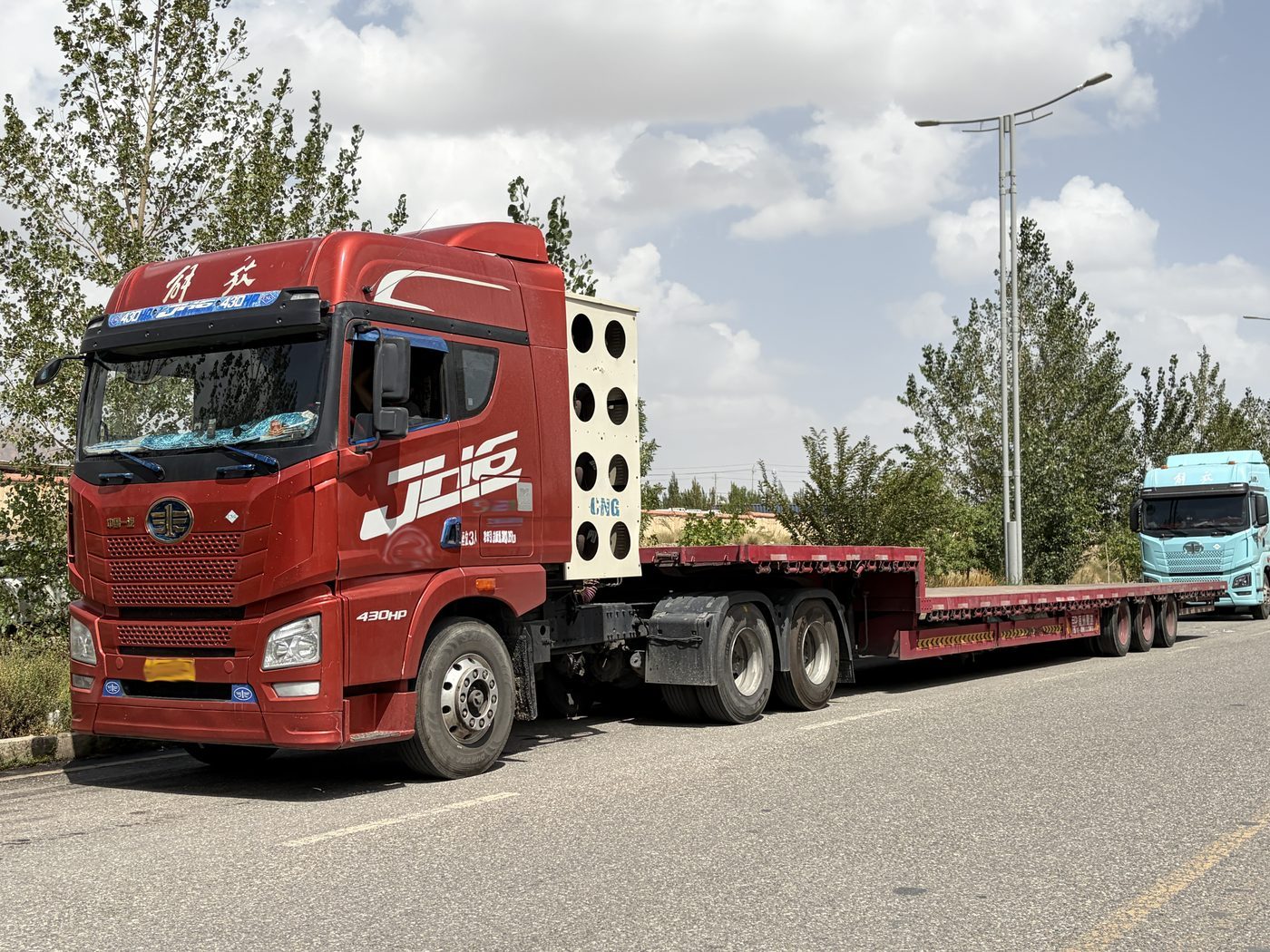
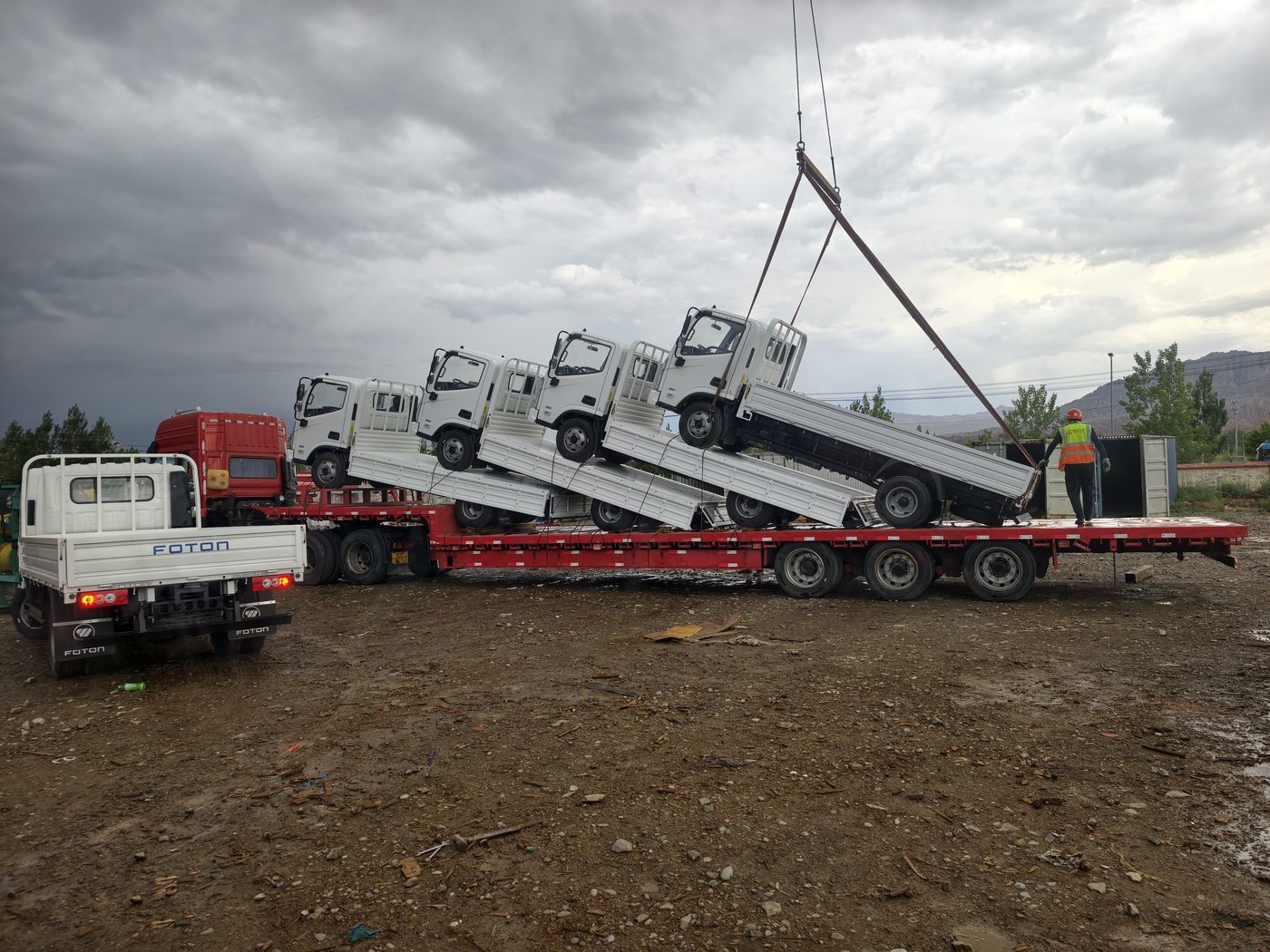
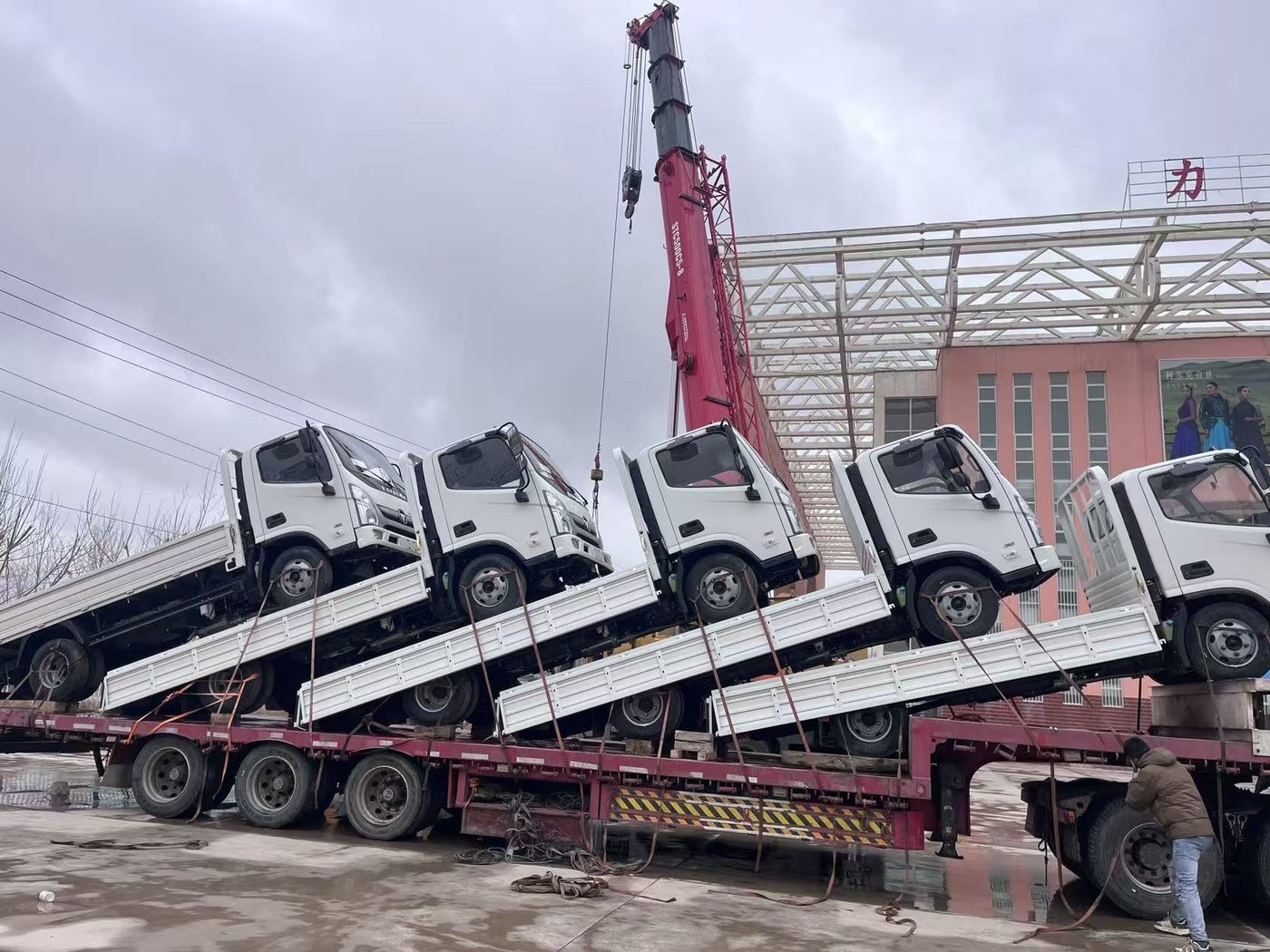
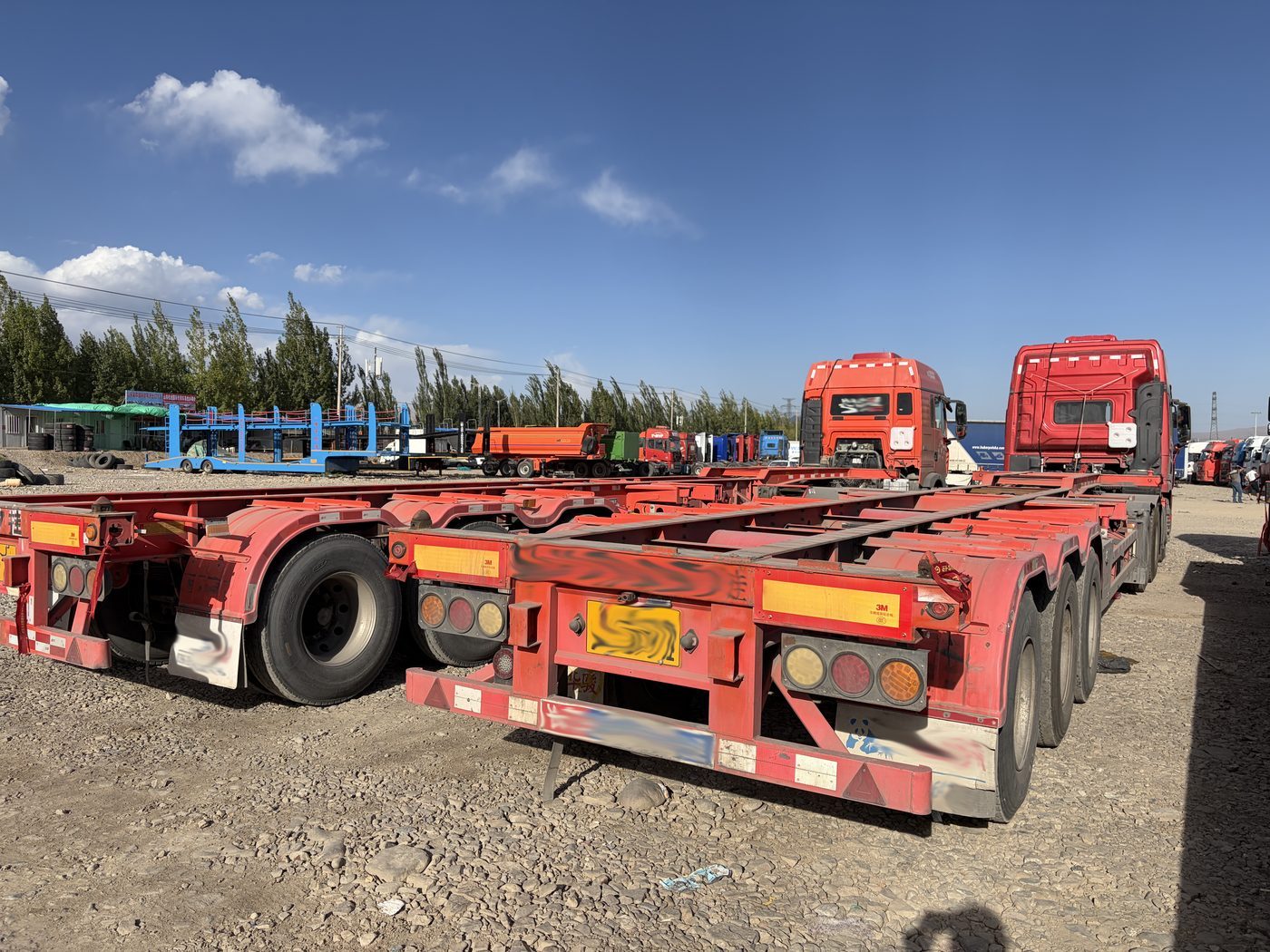
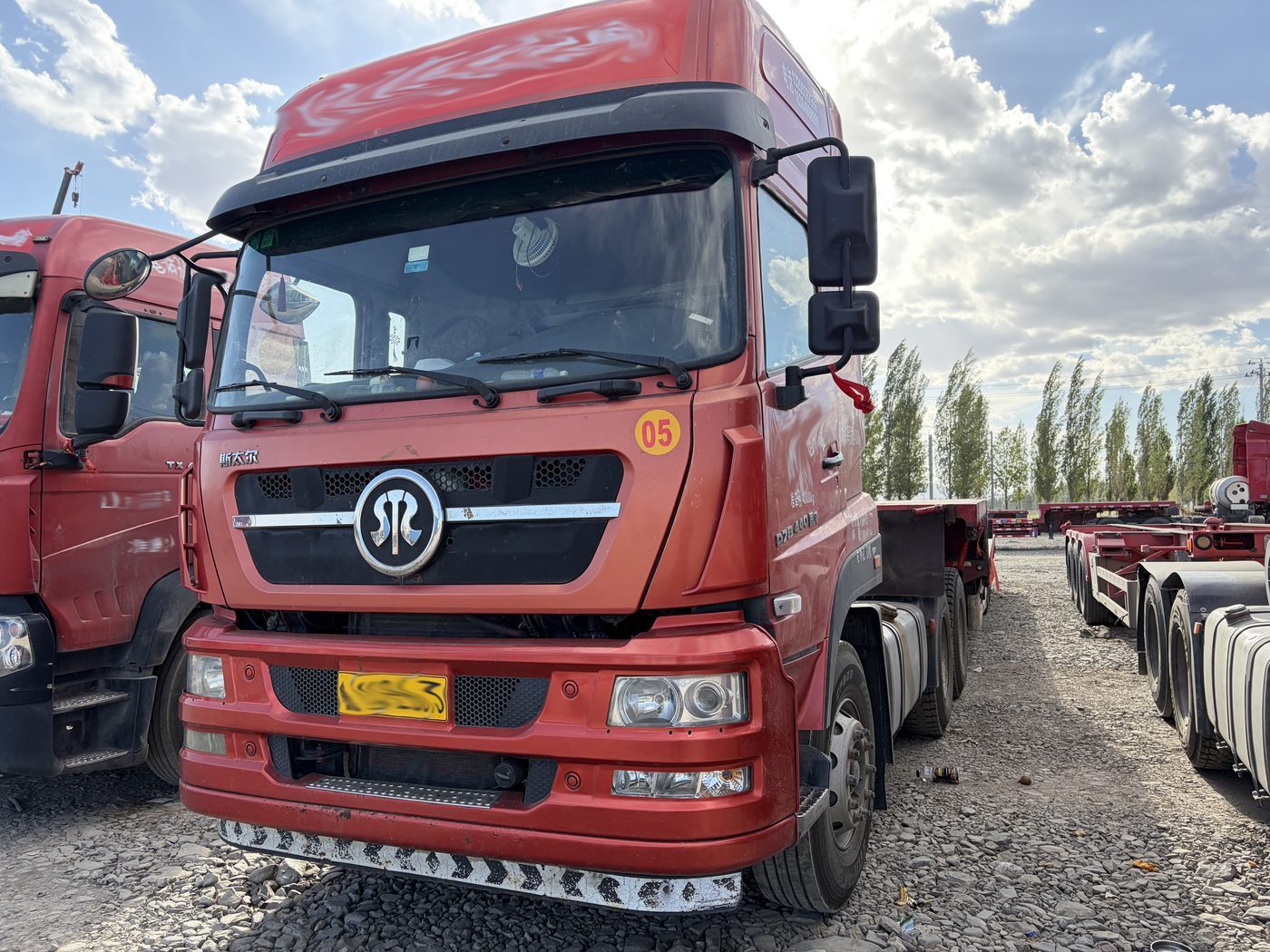
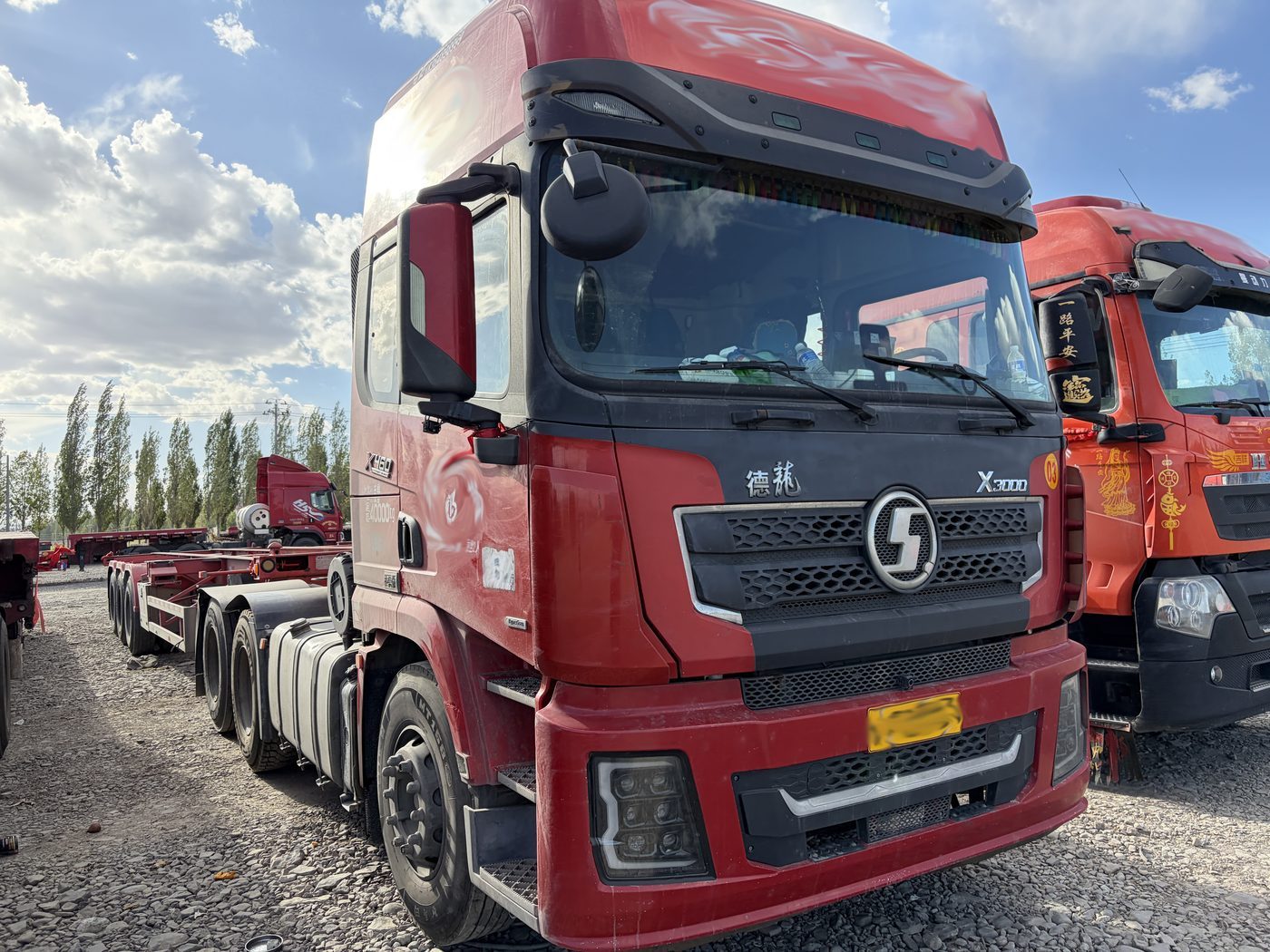
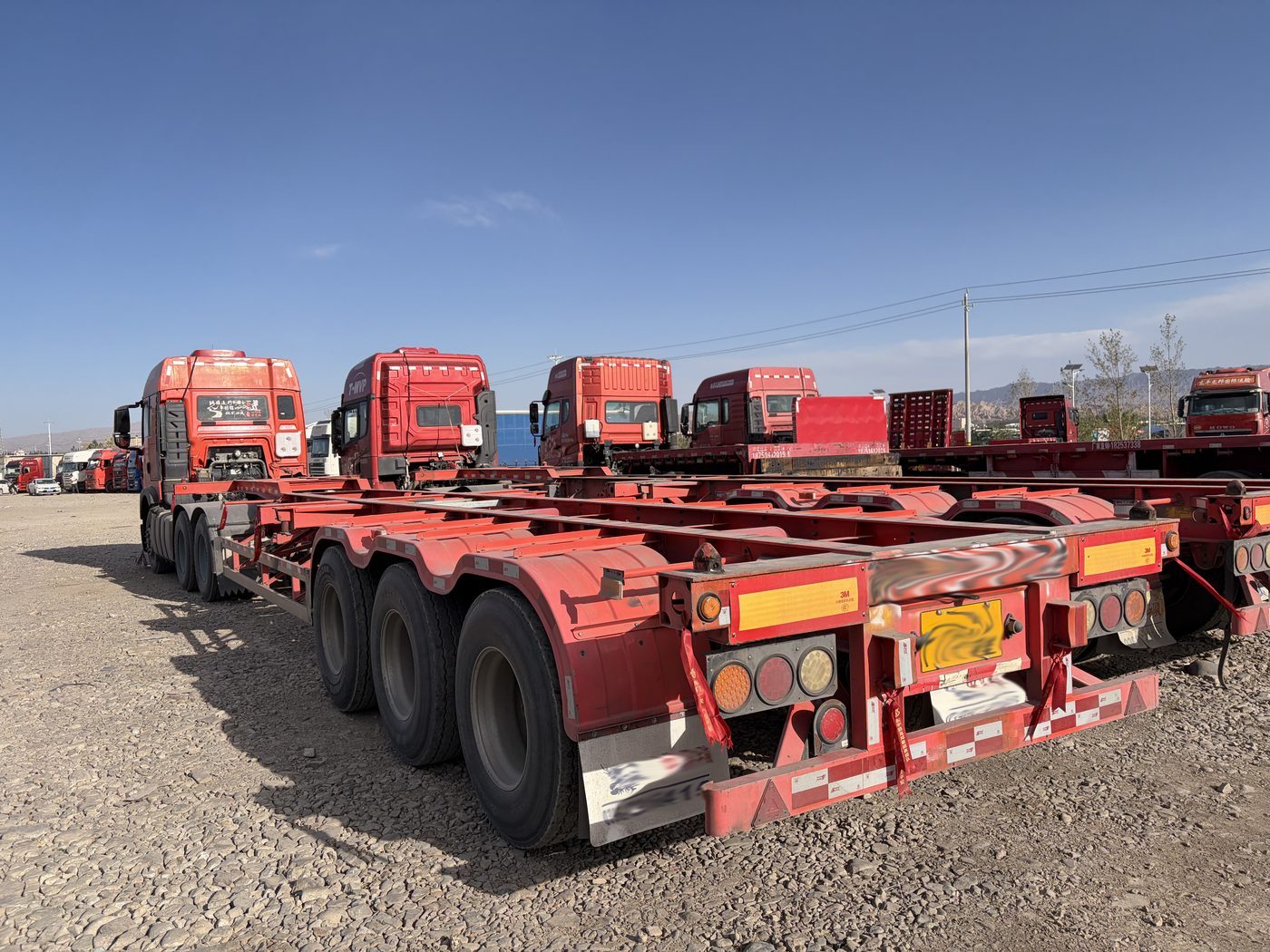
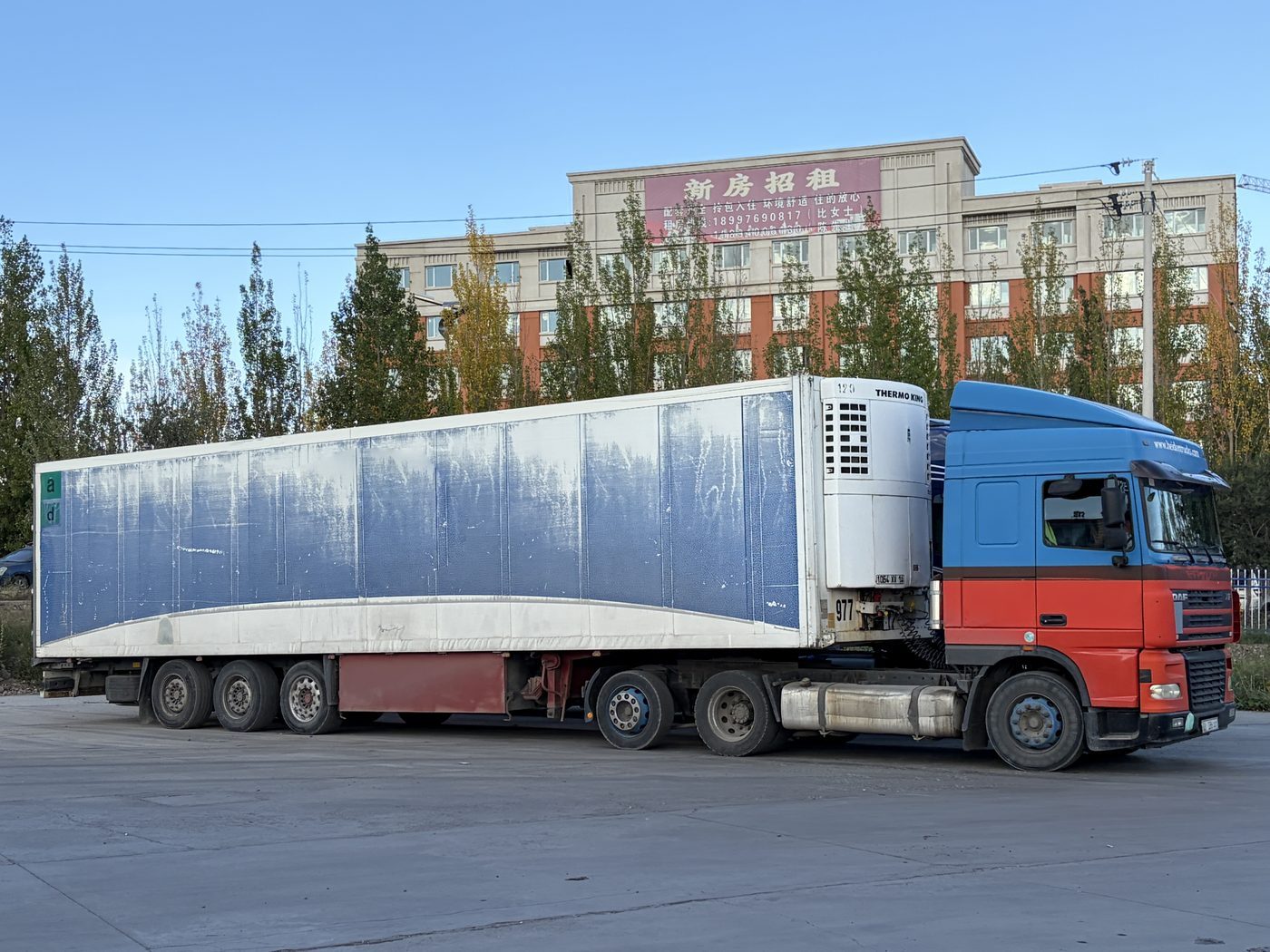
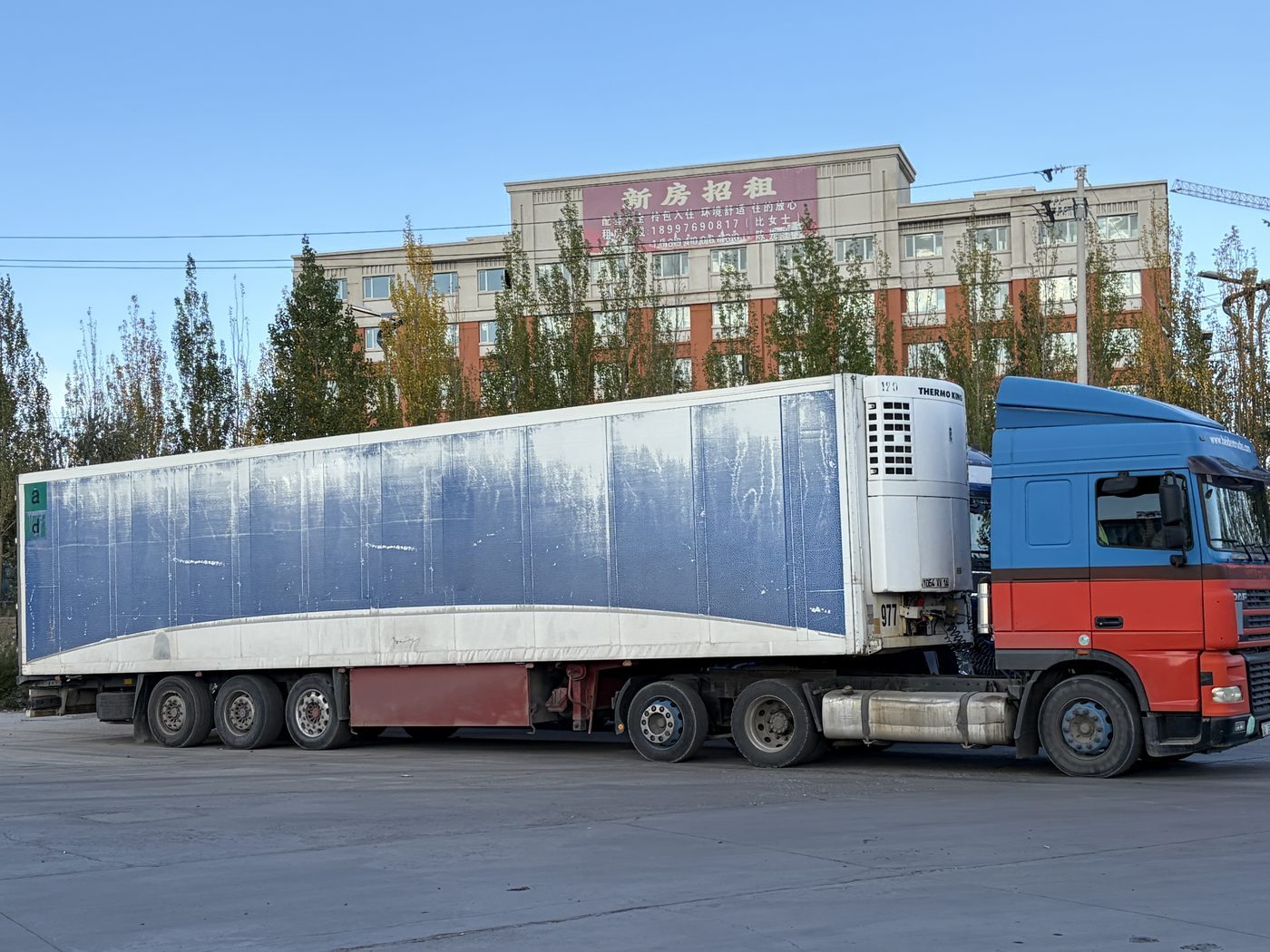
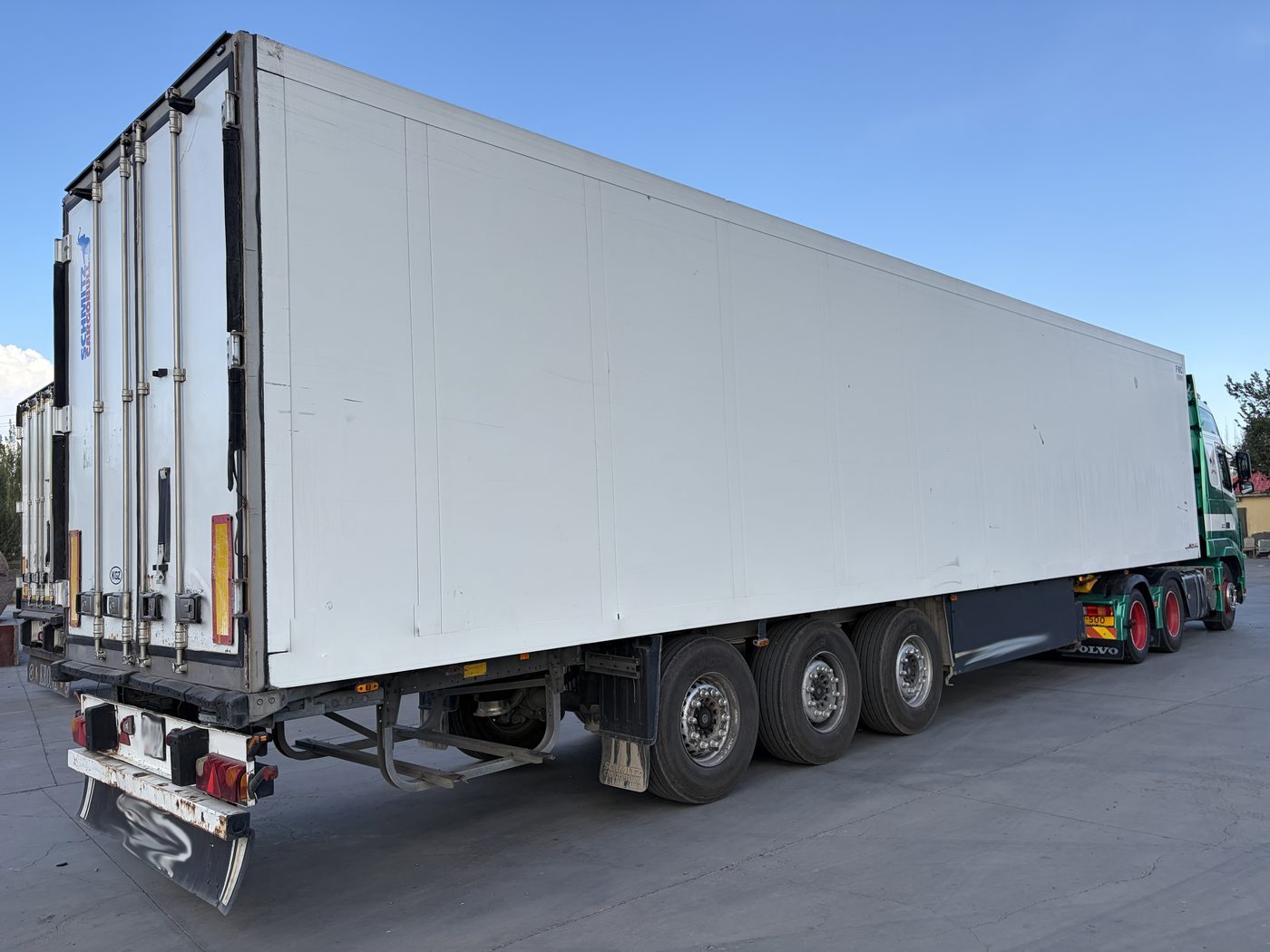
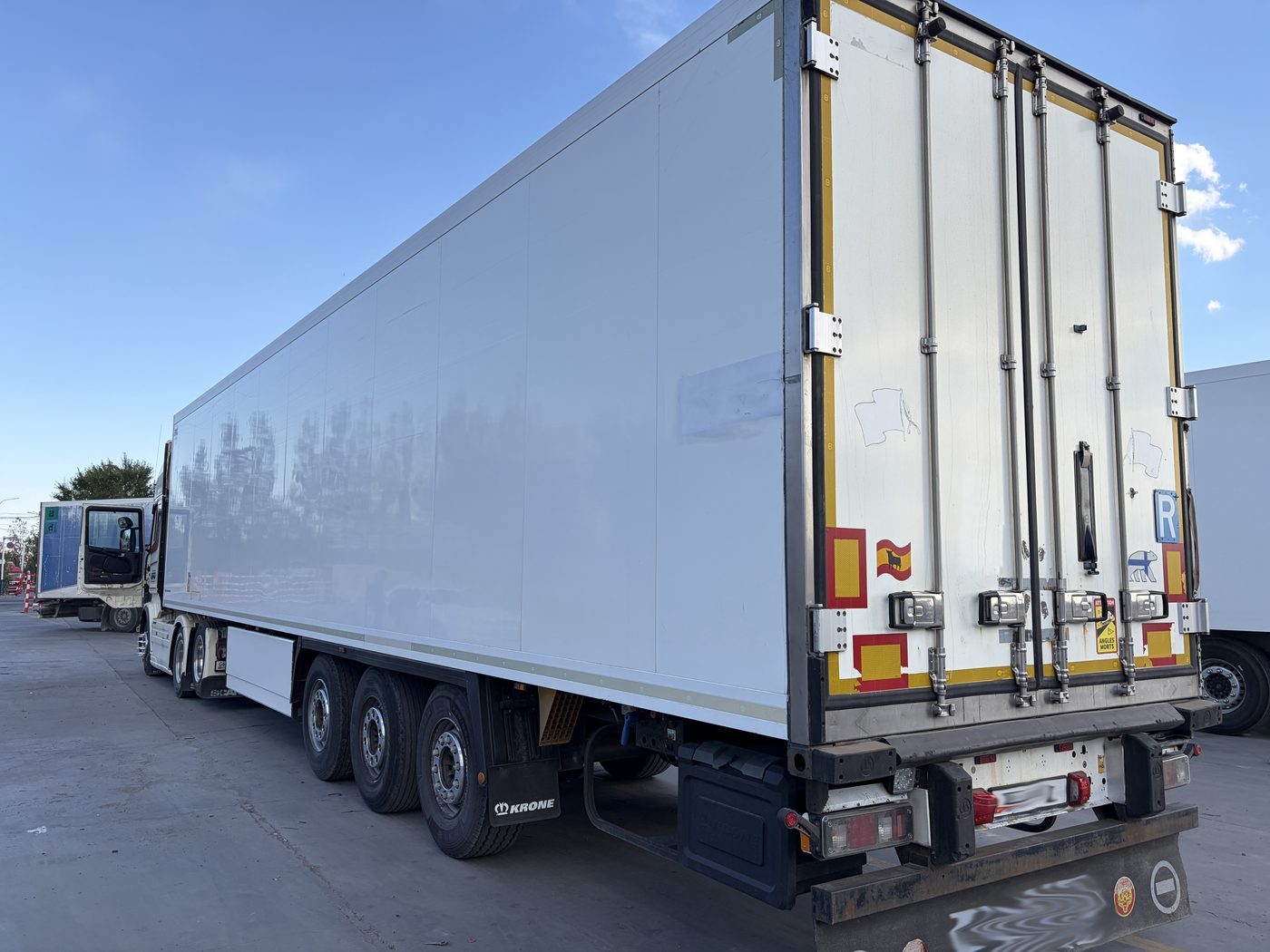
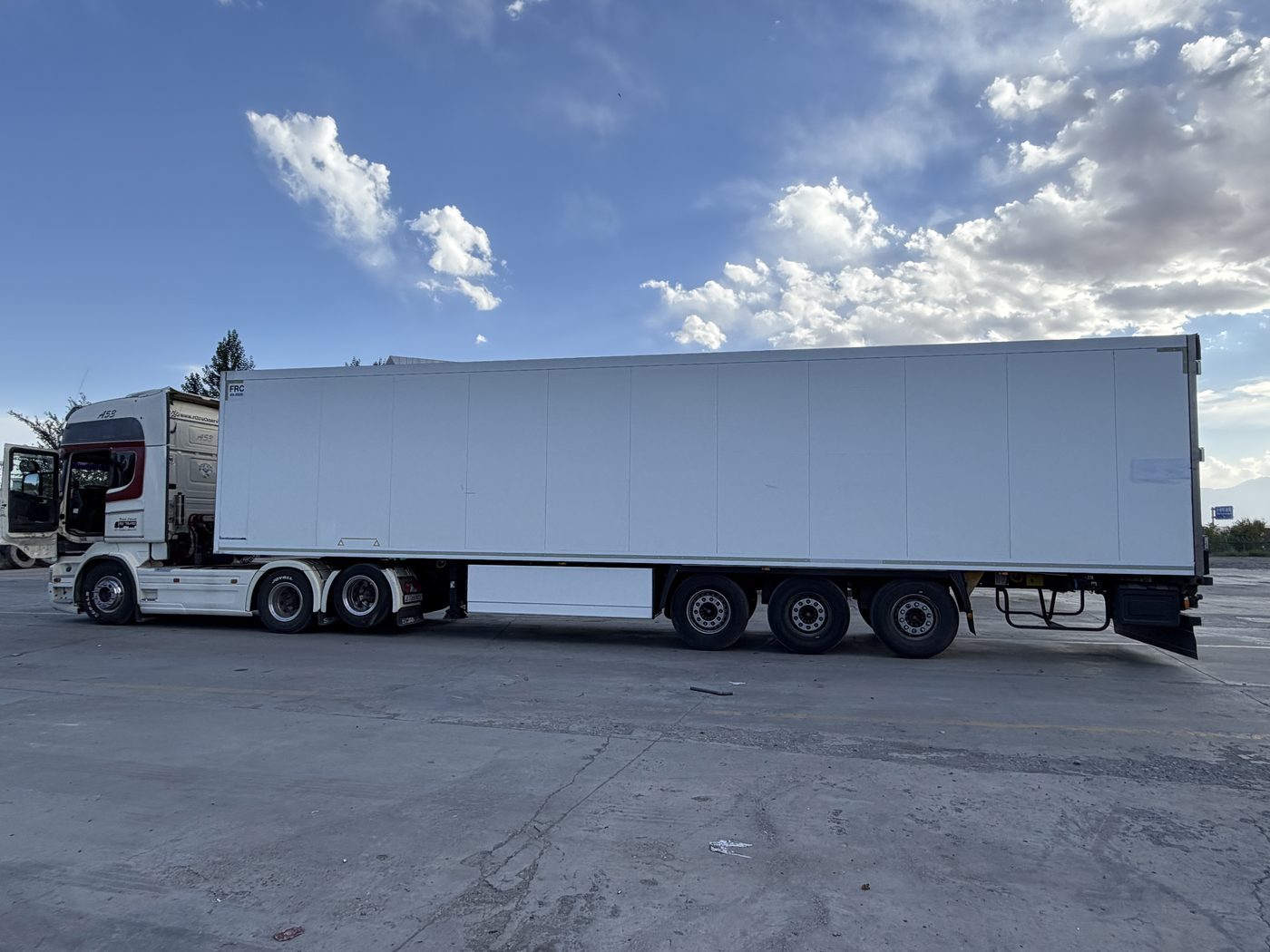
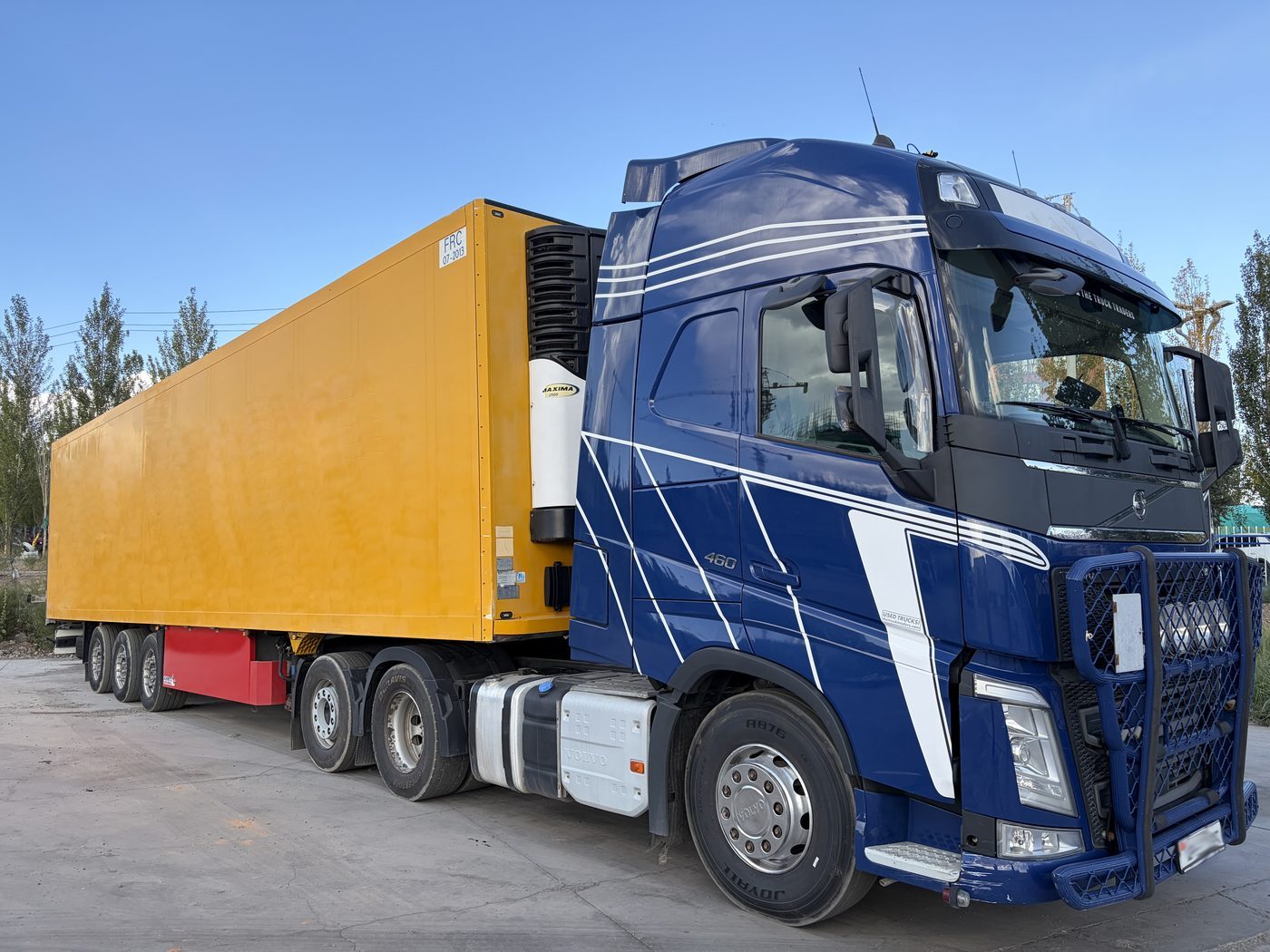
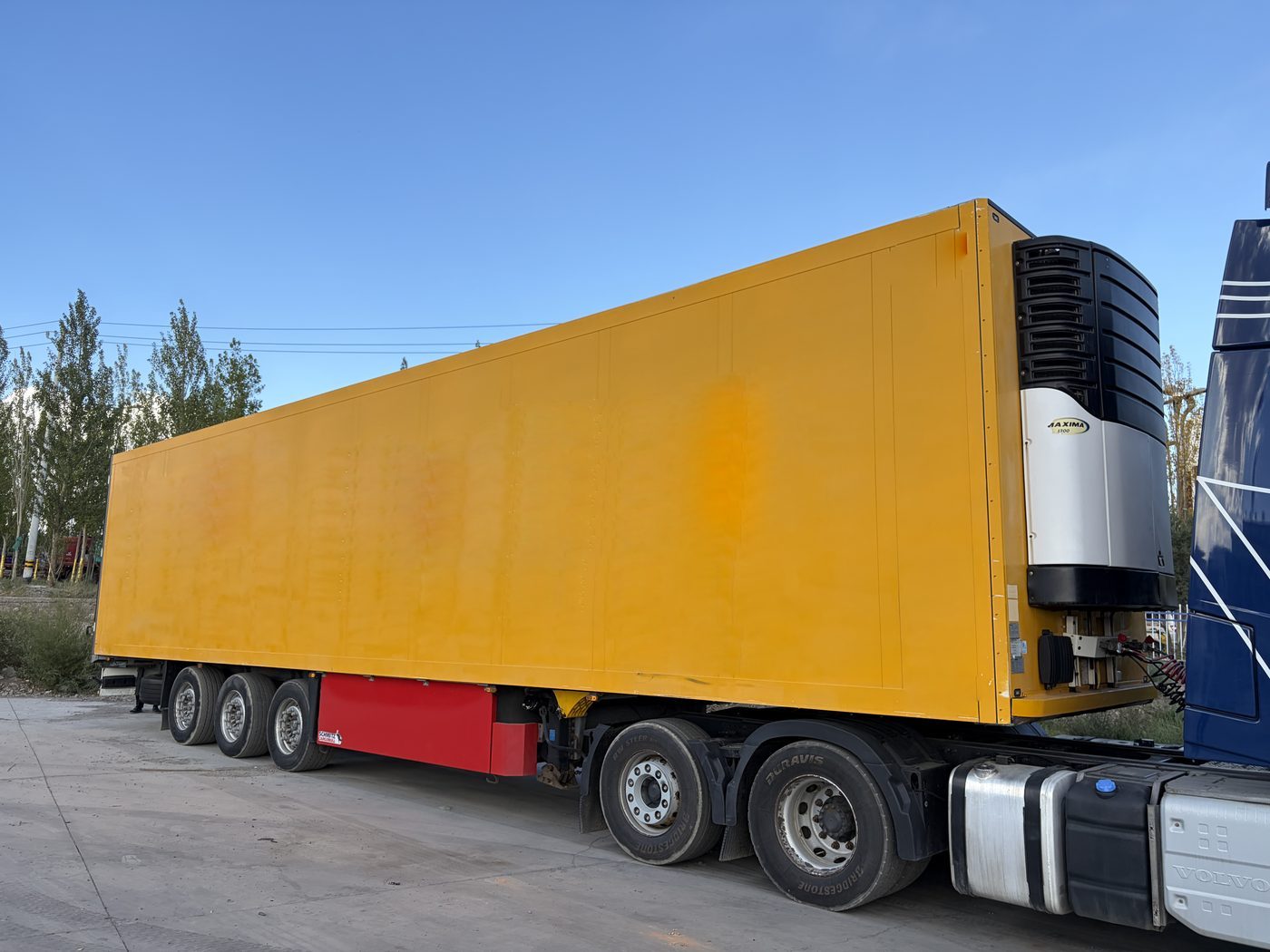
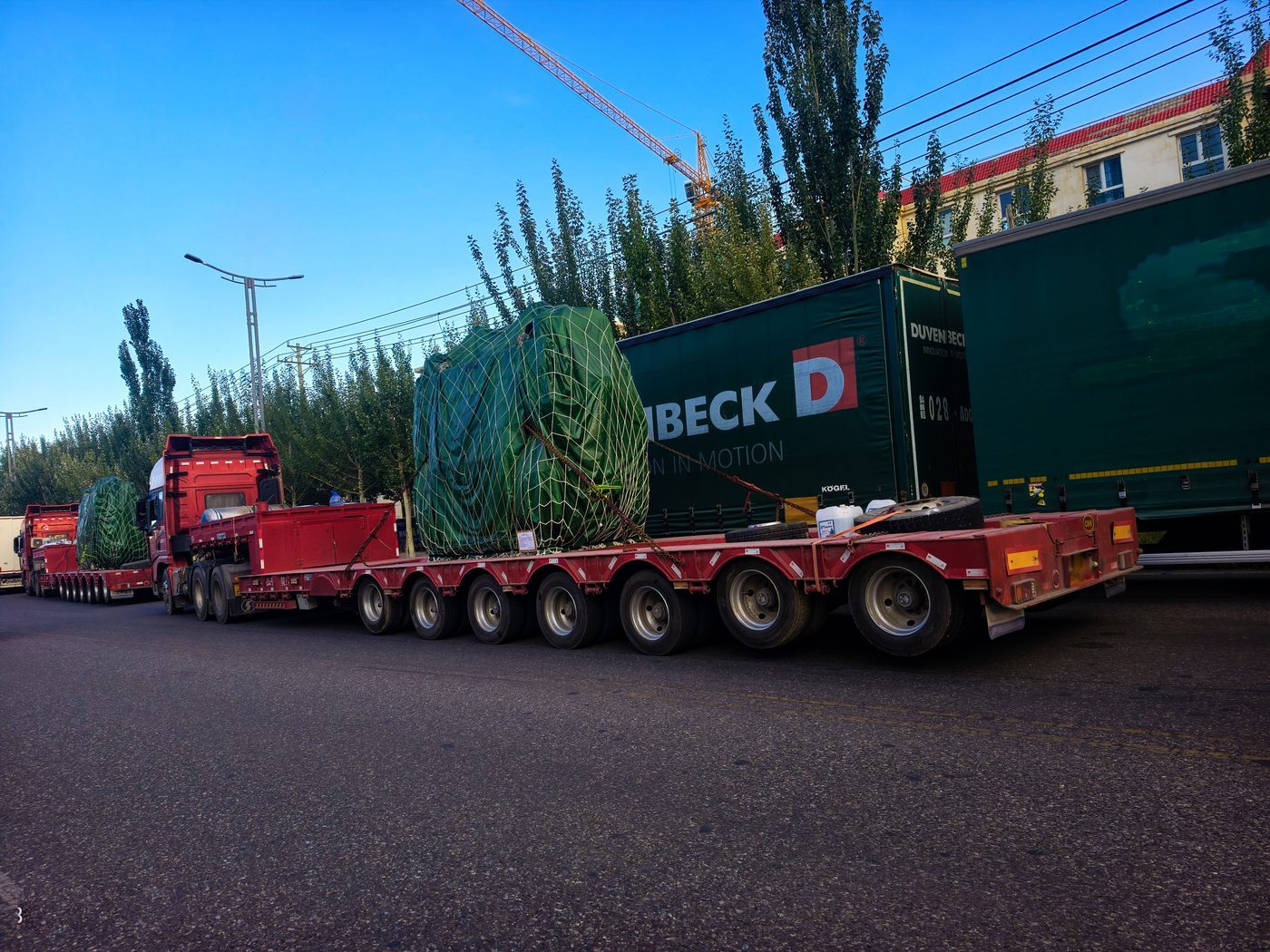
Xier International Logistics organizes Chinese / Kyrgyz cross-border road transport capacity via Irkeshtam Port, covering general cargo, equipment, containers and special cargo. Below are the common heavy vehicle types at the port, their specifications and photos.
Irkeshtam Port is located in Wuqia County, Kizilsu Kirgiz Autonomous Prefecture, Xinjiang. It is China's westernmost land port, bordering Kyrgyzstan, and a core hub for road transport connecting Central Asia (Kyrgyzstan, Uzbekistan, Tajikistan).
Using Irkeshtam Port as its base, Xier International Logistics integrates flatbeds, skeleton trailers, car carriers, reefers and special flatbeds to provide stable cross-border road transport and port transshipment services.
Even for the same truckload, choosing the wrong vehicle makes a big difference: loading light bulky goods on a flatbed wastes volume; forcing equipment components into a van means oversized items won't fit and you need a second transfer. Below are vehicle recommendations by common cargo type at Irkeshtam Port — pick the vehicle from the images first, then check the detailed specs and photos below.
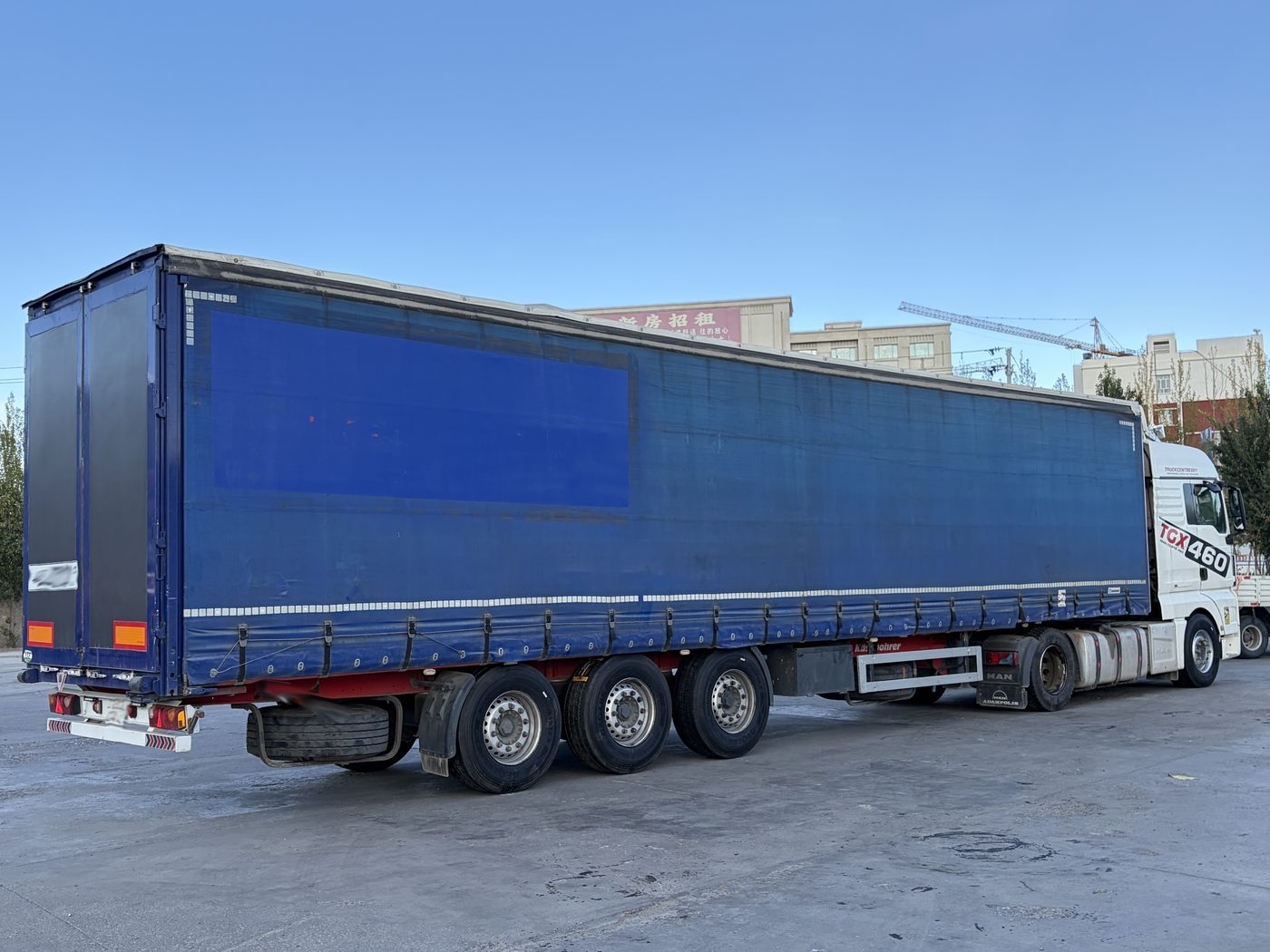
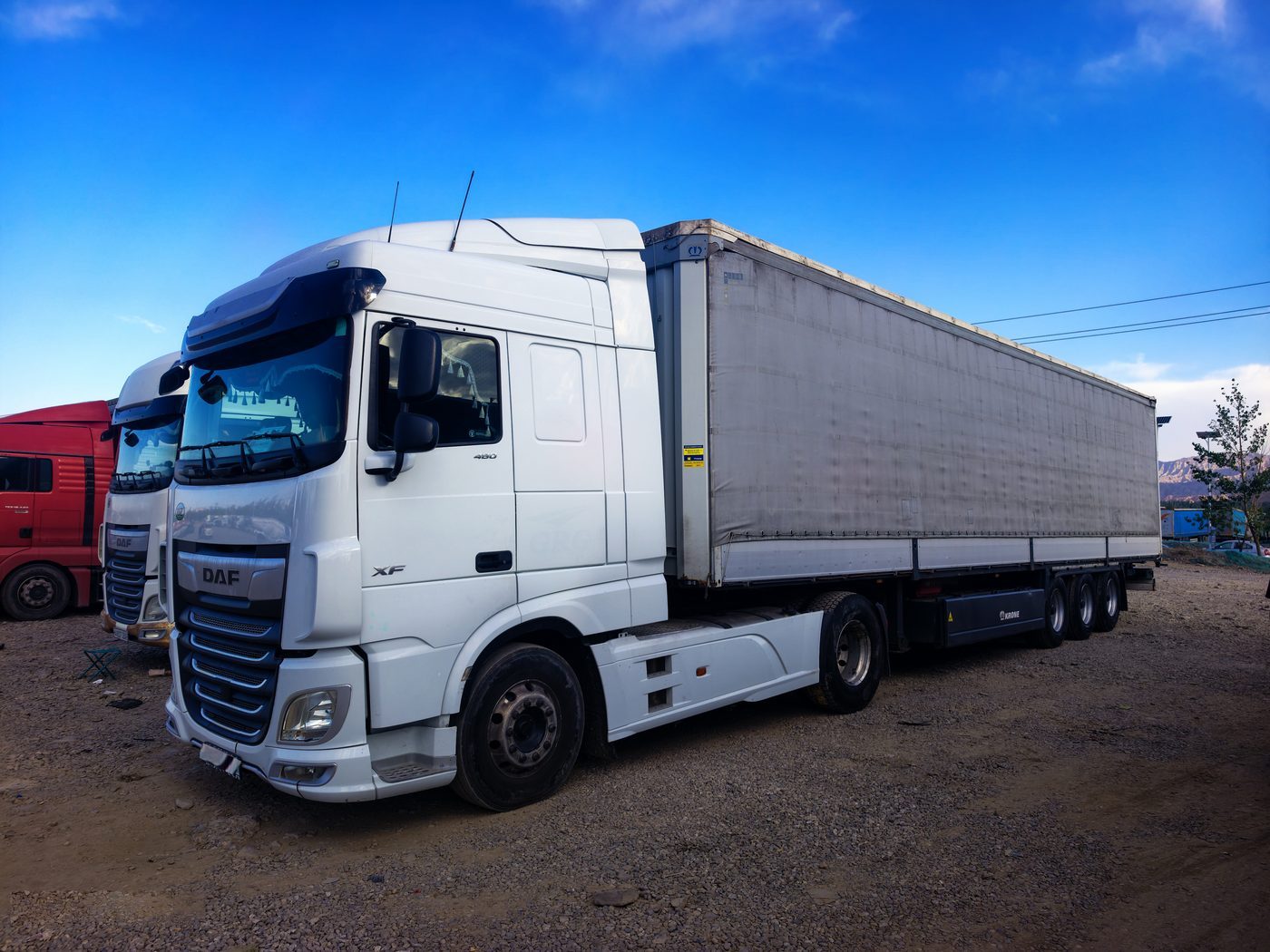
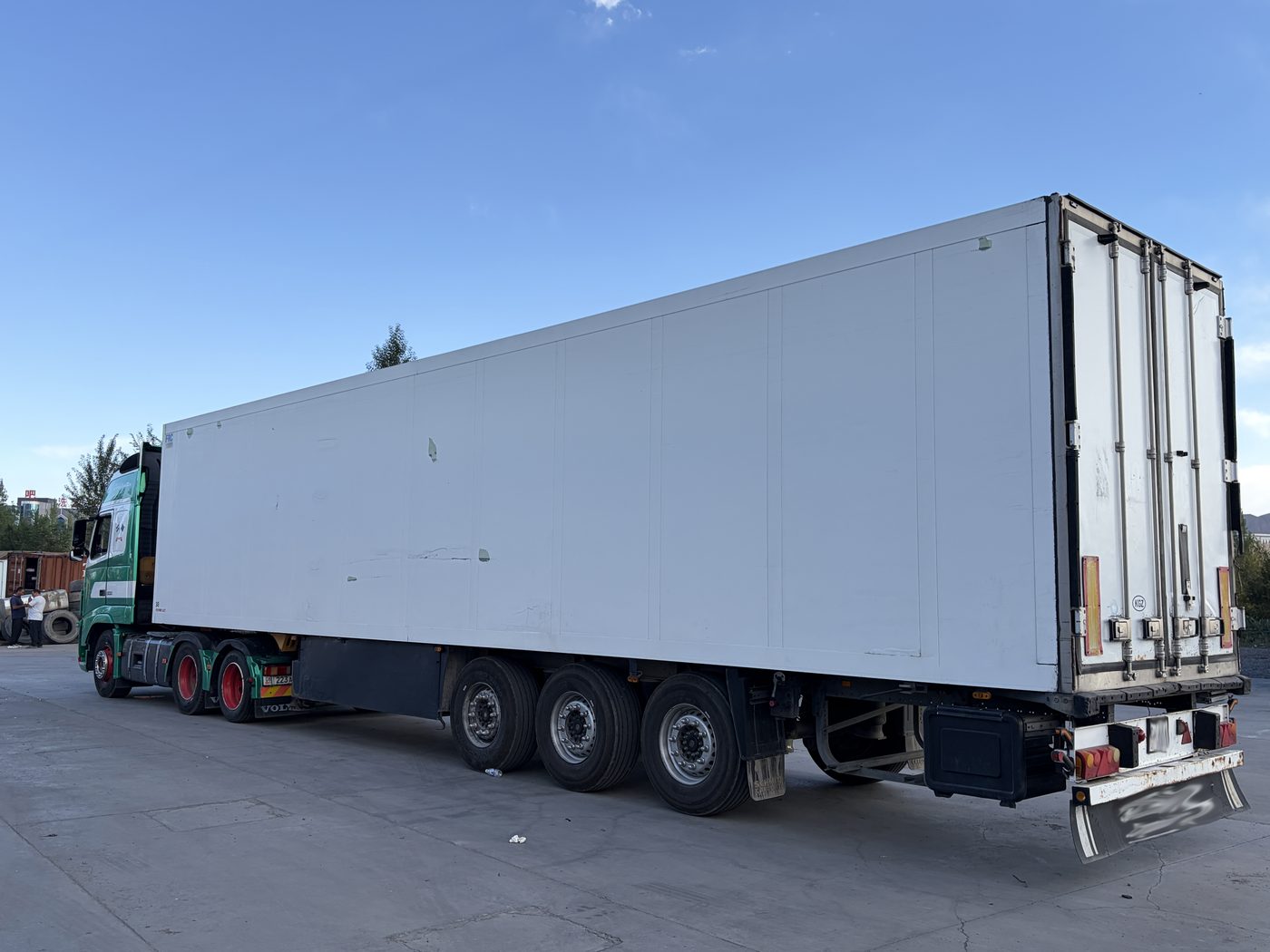
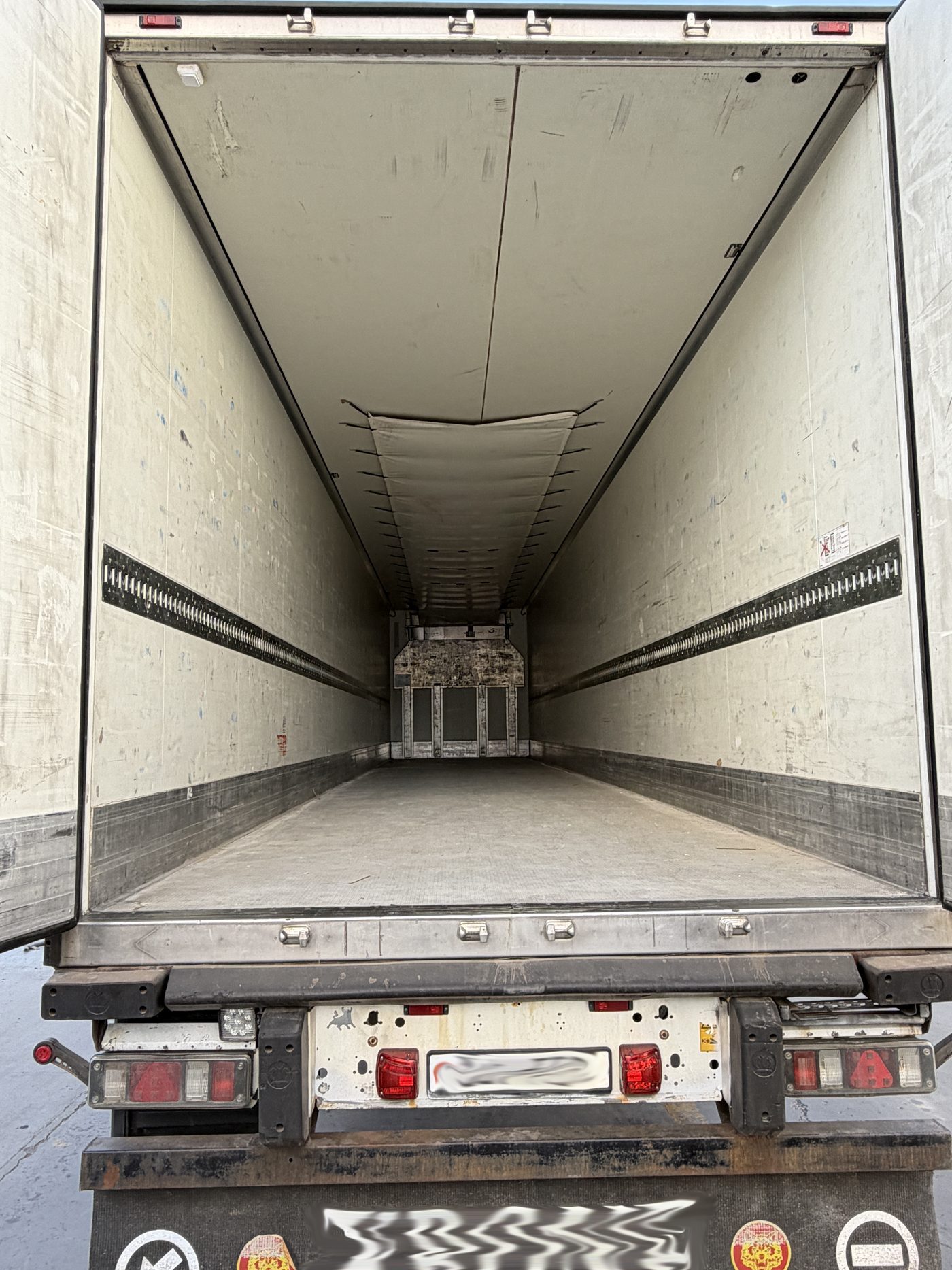
The most common enclosed general cargo van at the port. Preferred for general merchandise, building material fittings and loose cargo sensitive to moisture or loss; for consolidated loads, stack in layers by unloading order — load last-to-unload first.
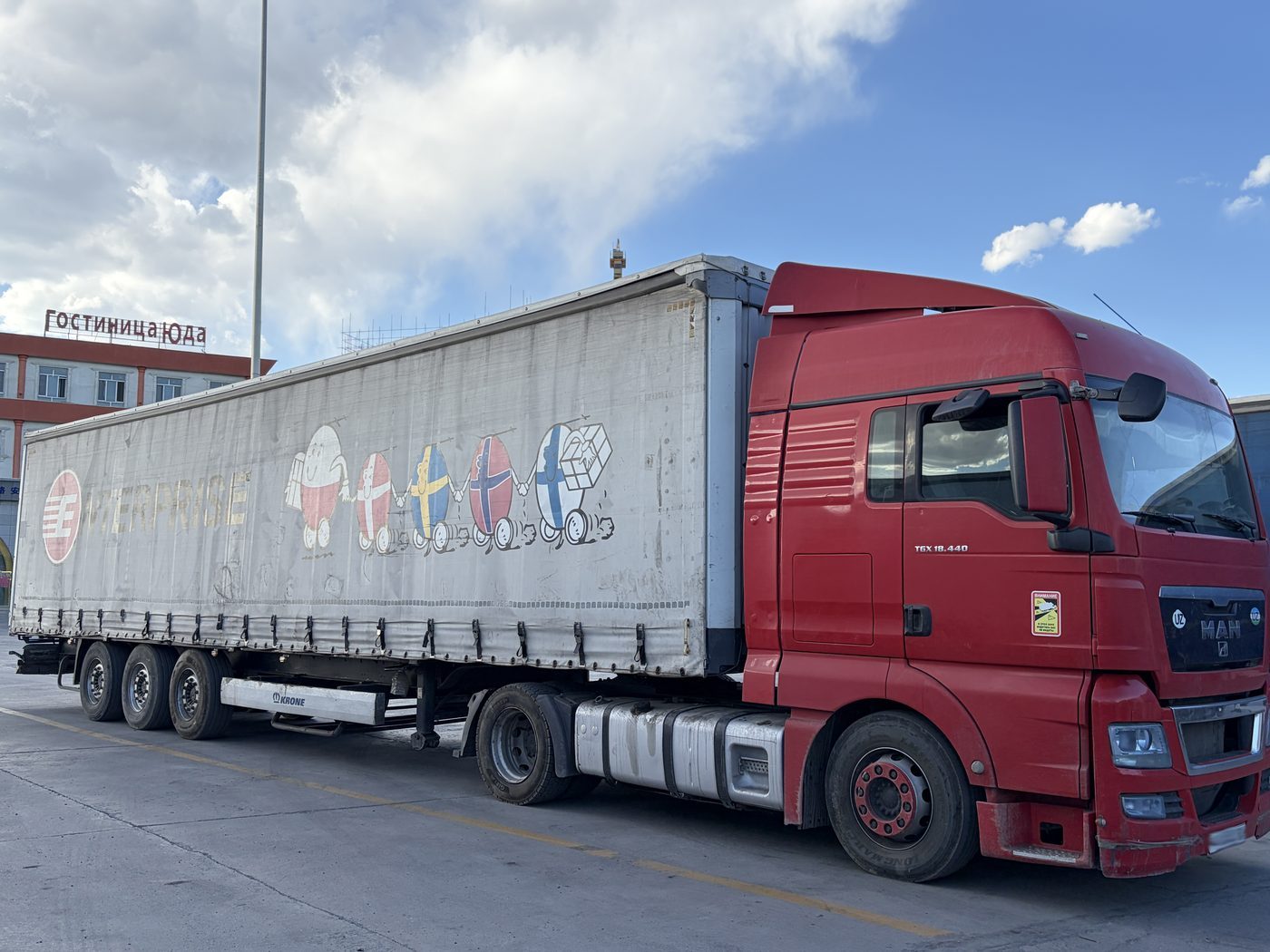
The largest-volume class of van, suited to moving light bulky cargo such as garments, footwear and household goods that take space but not weight — saving freight on the same volume.
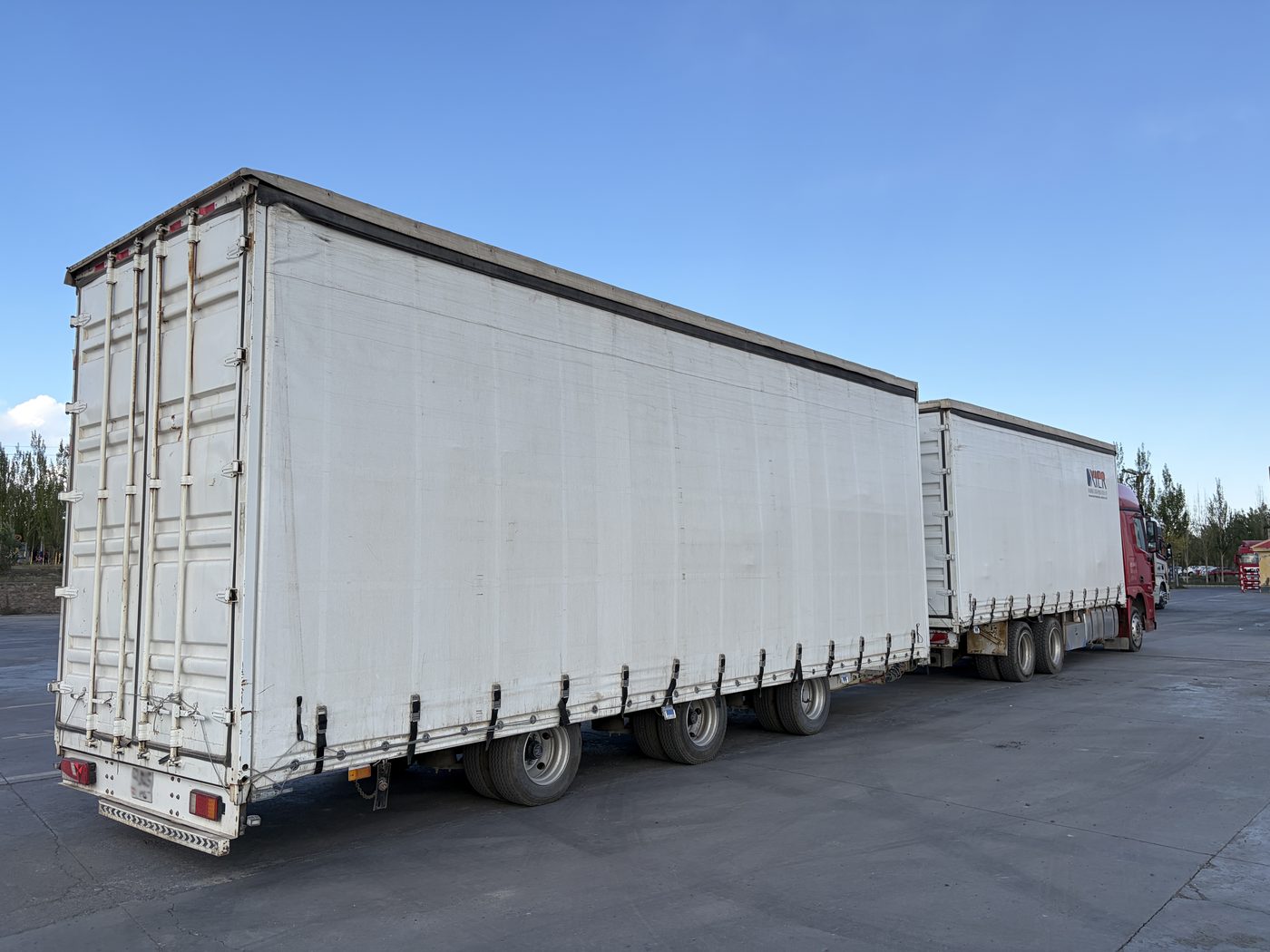
A tractor plus trailer with two van sections, giving the highest volume ceiling — suited to full truckload direct shipping of large batches of light bulky cargo. Note the two sections must be loaded separately and balanced front-to-back to avoid uneven load.
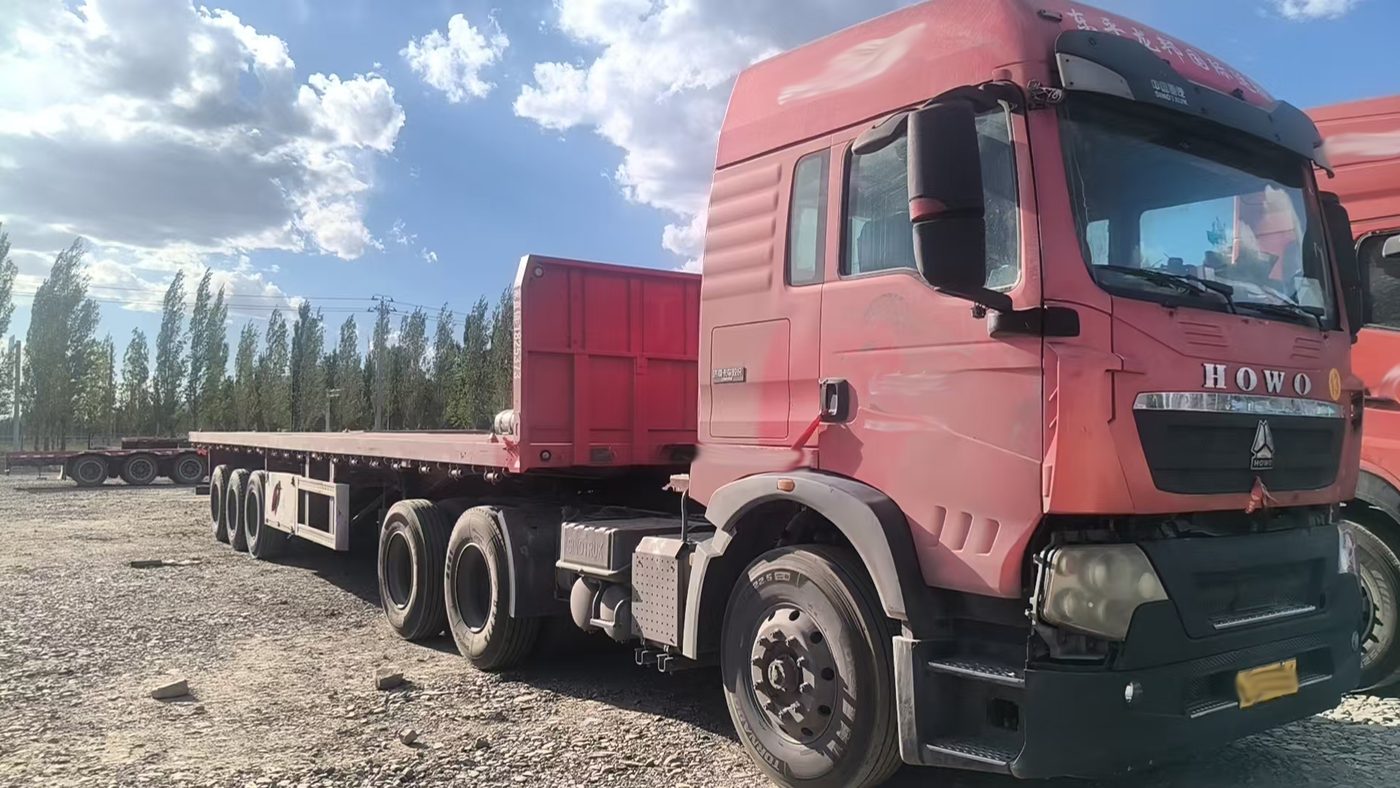
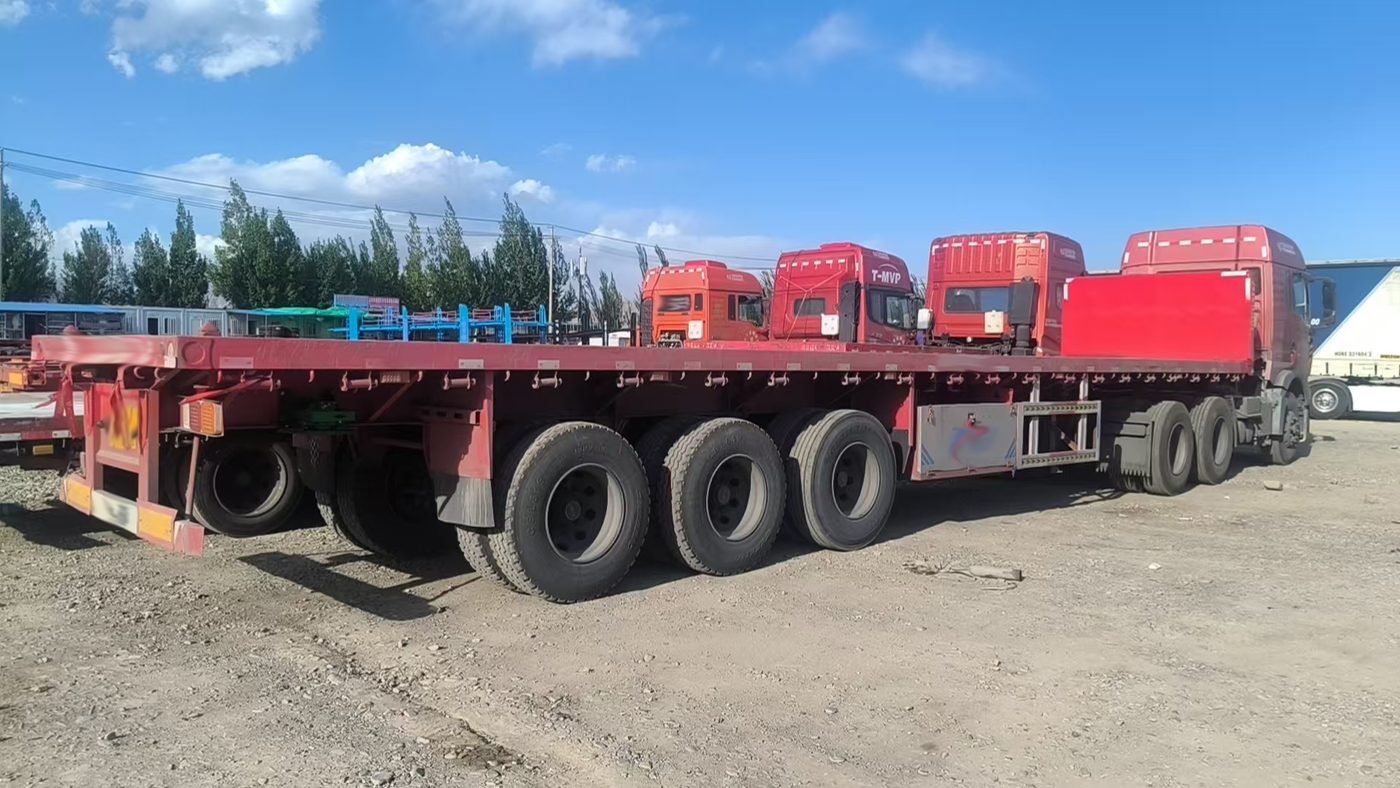
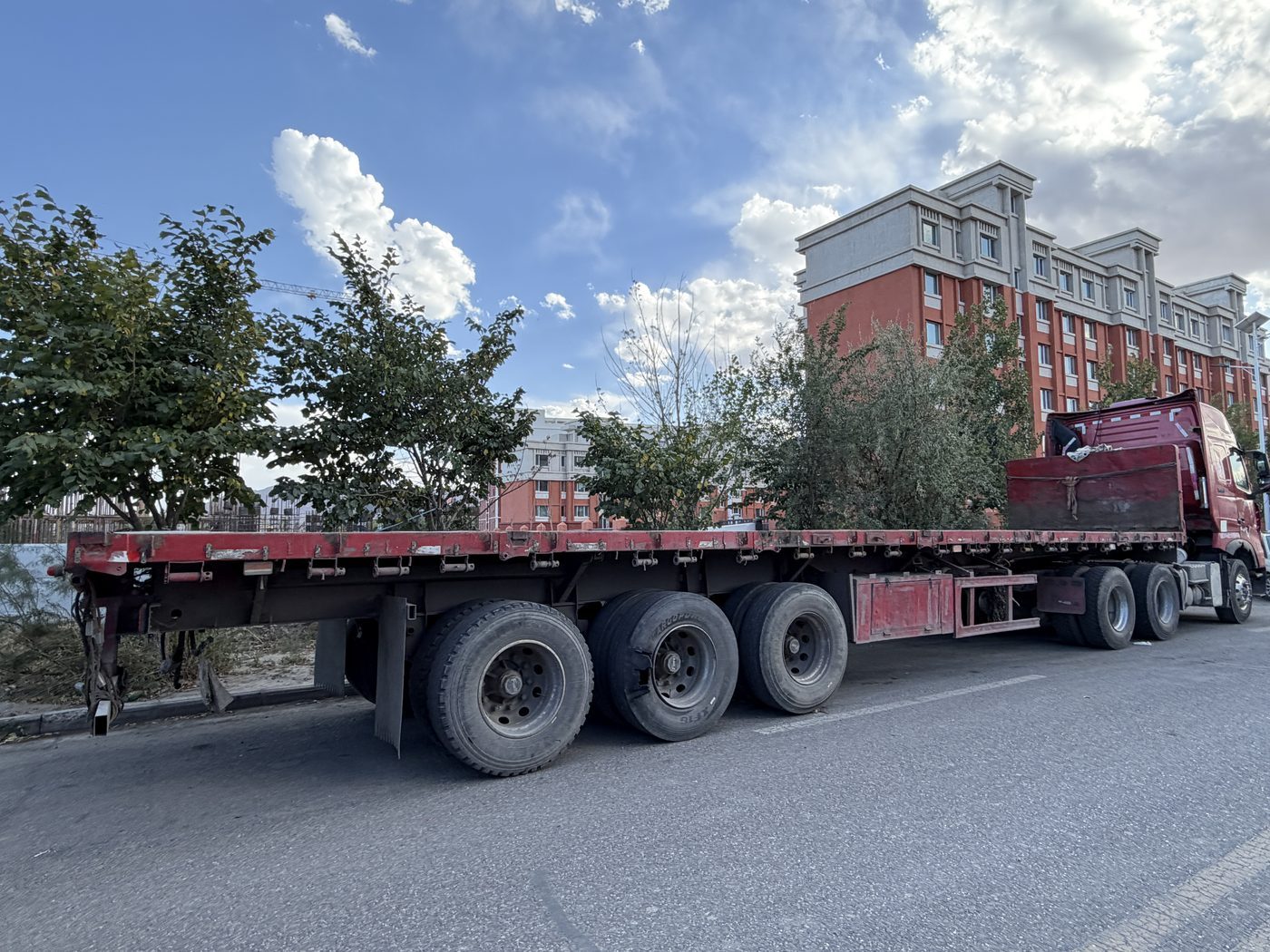
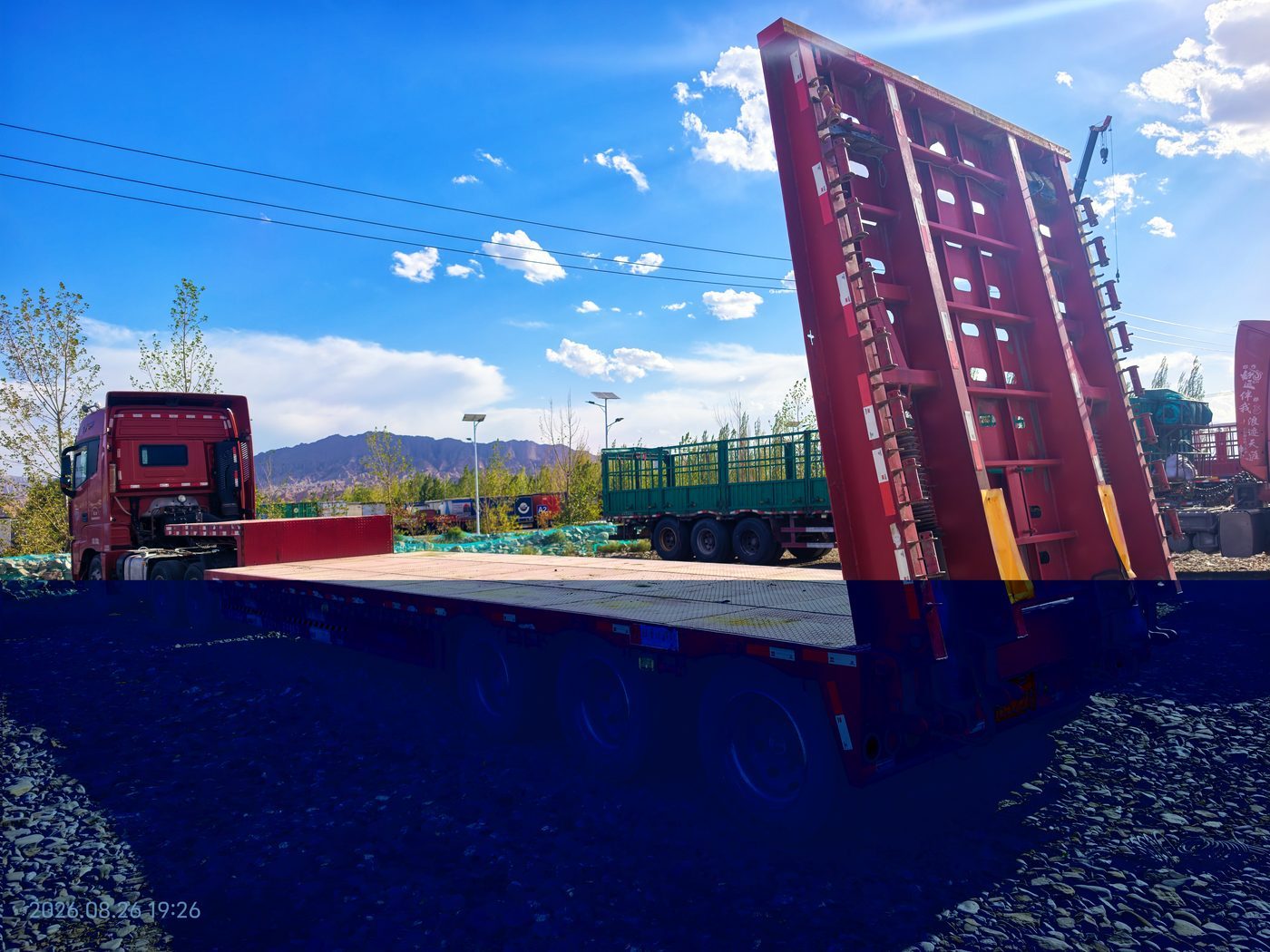
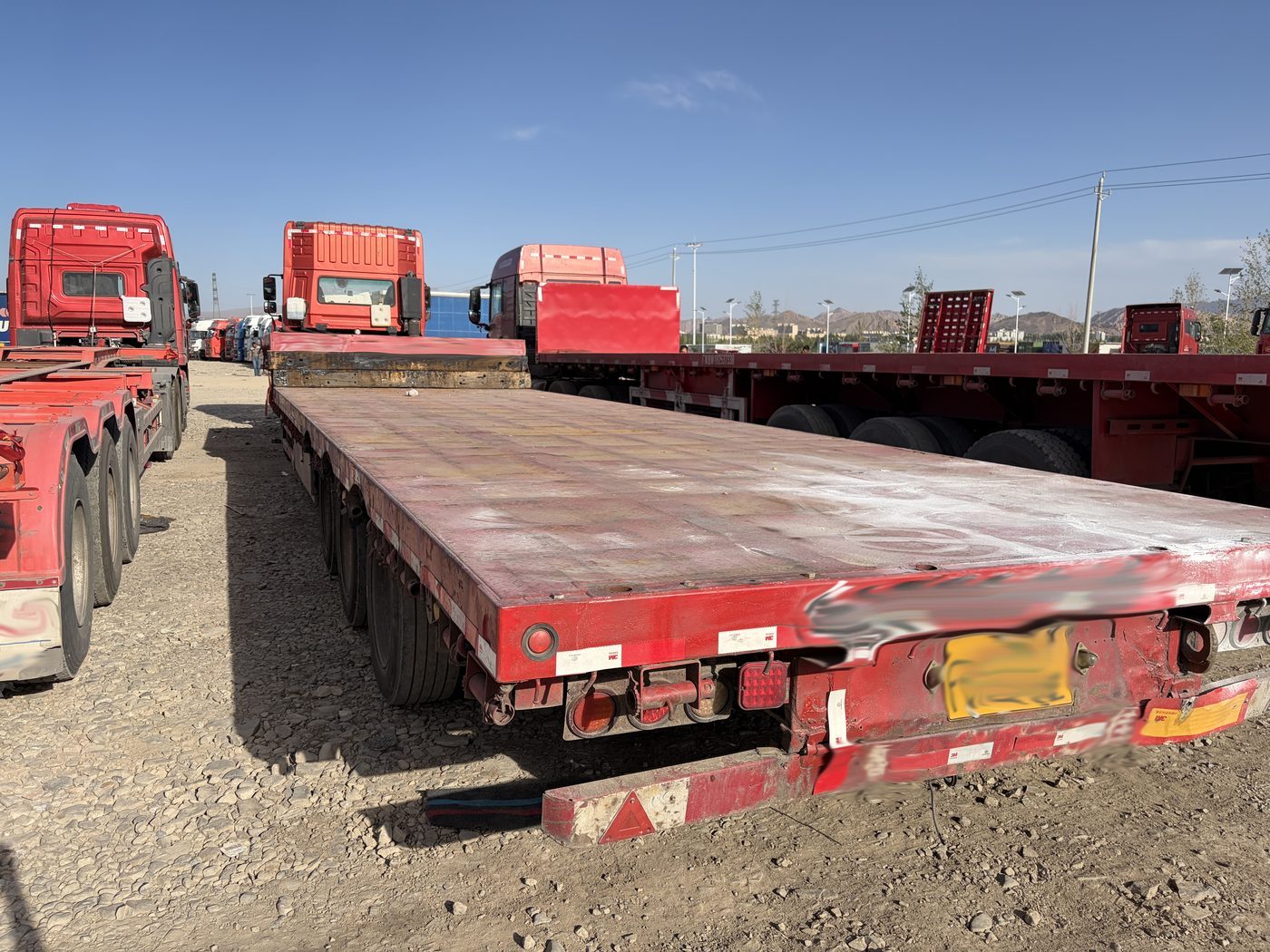
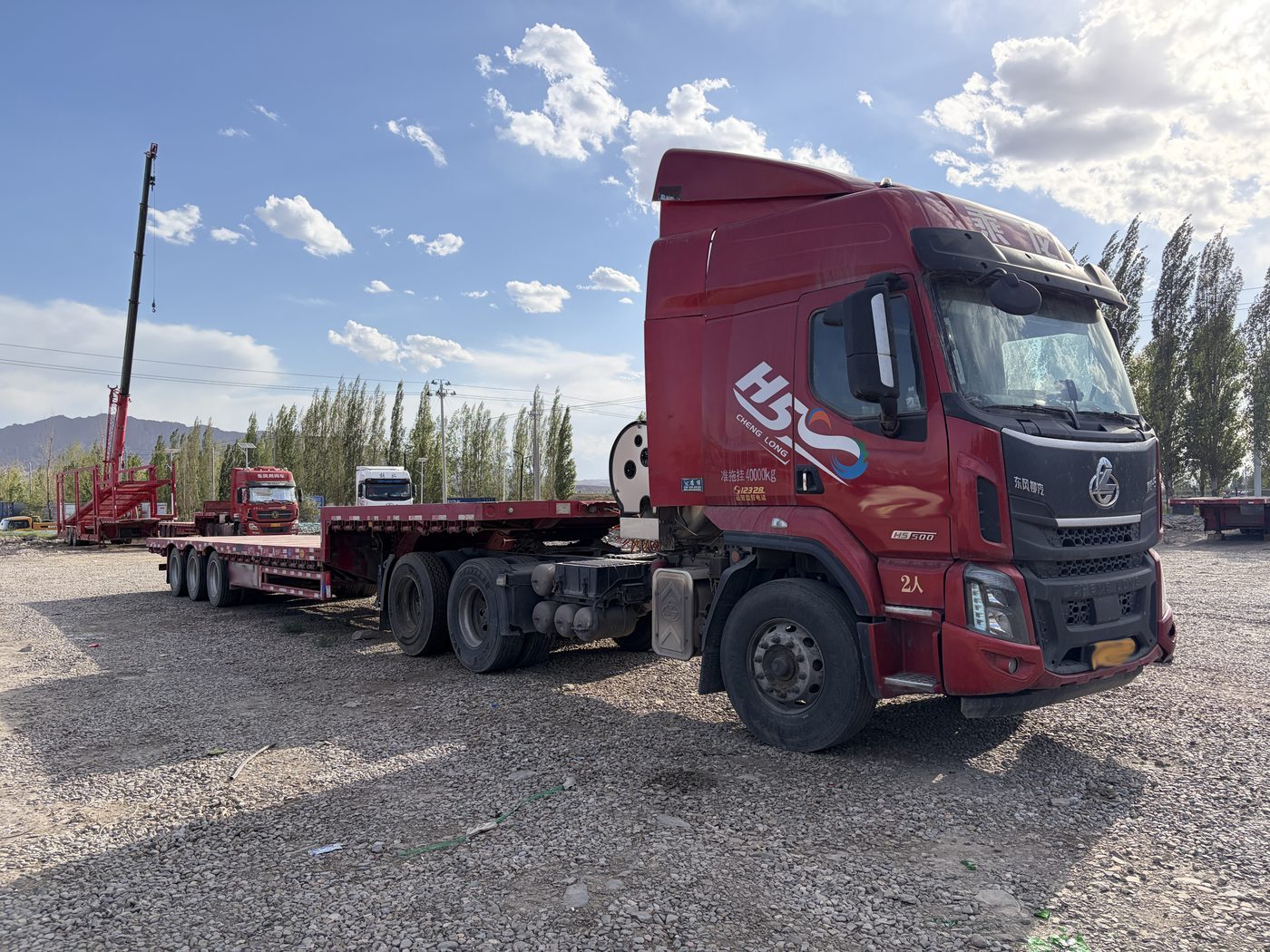
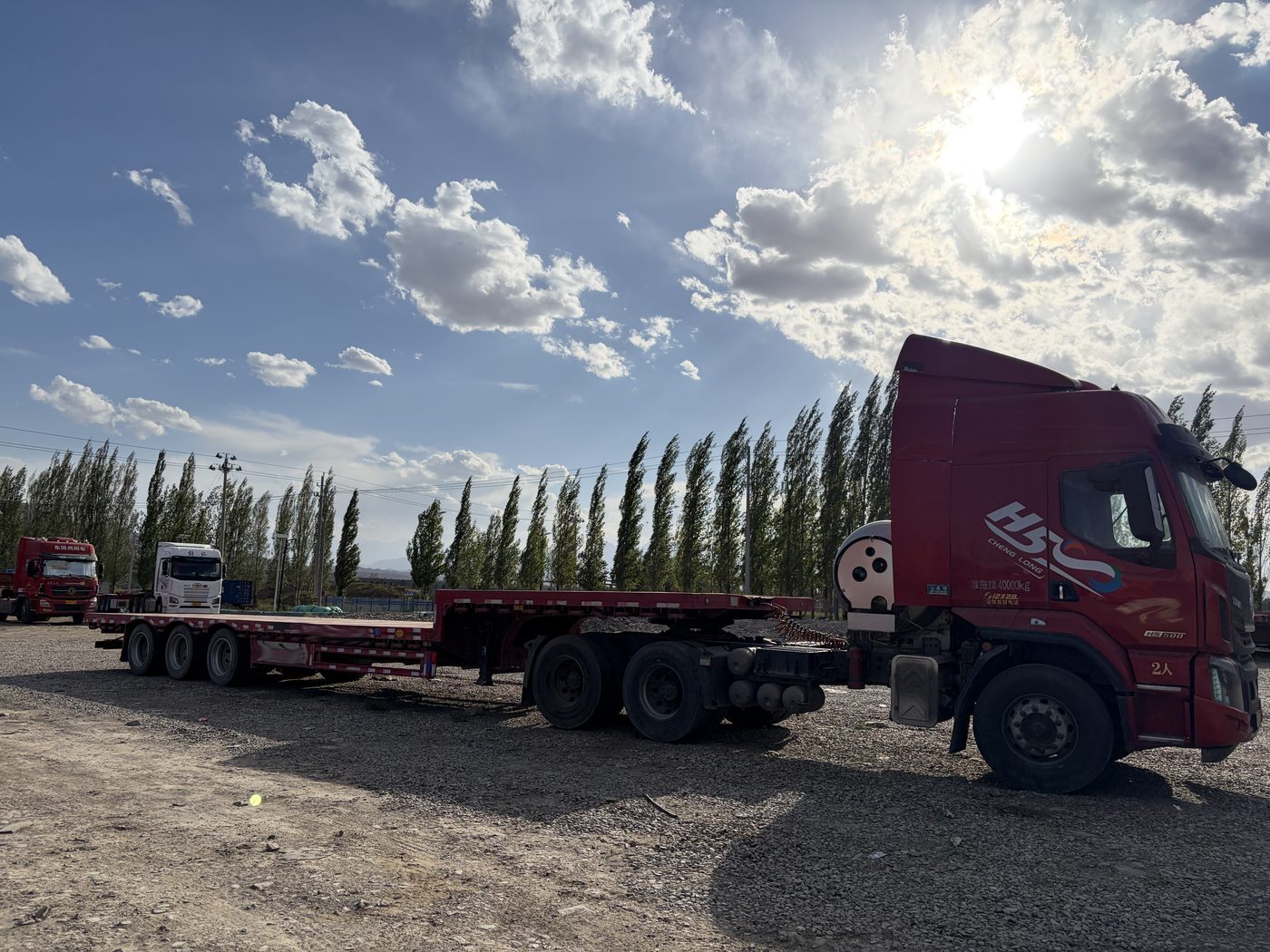
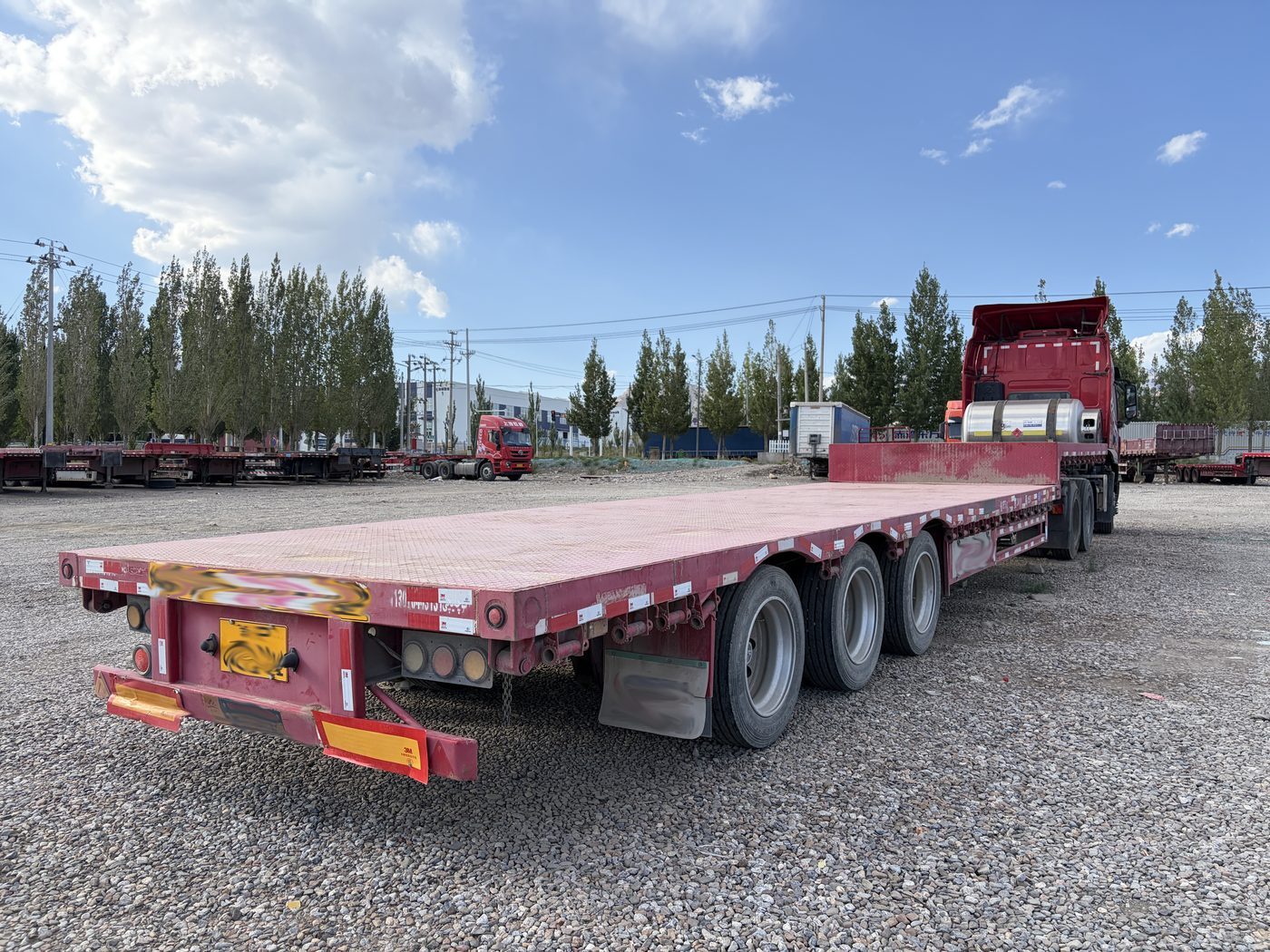
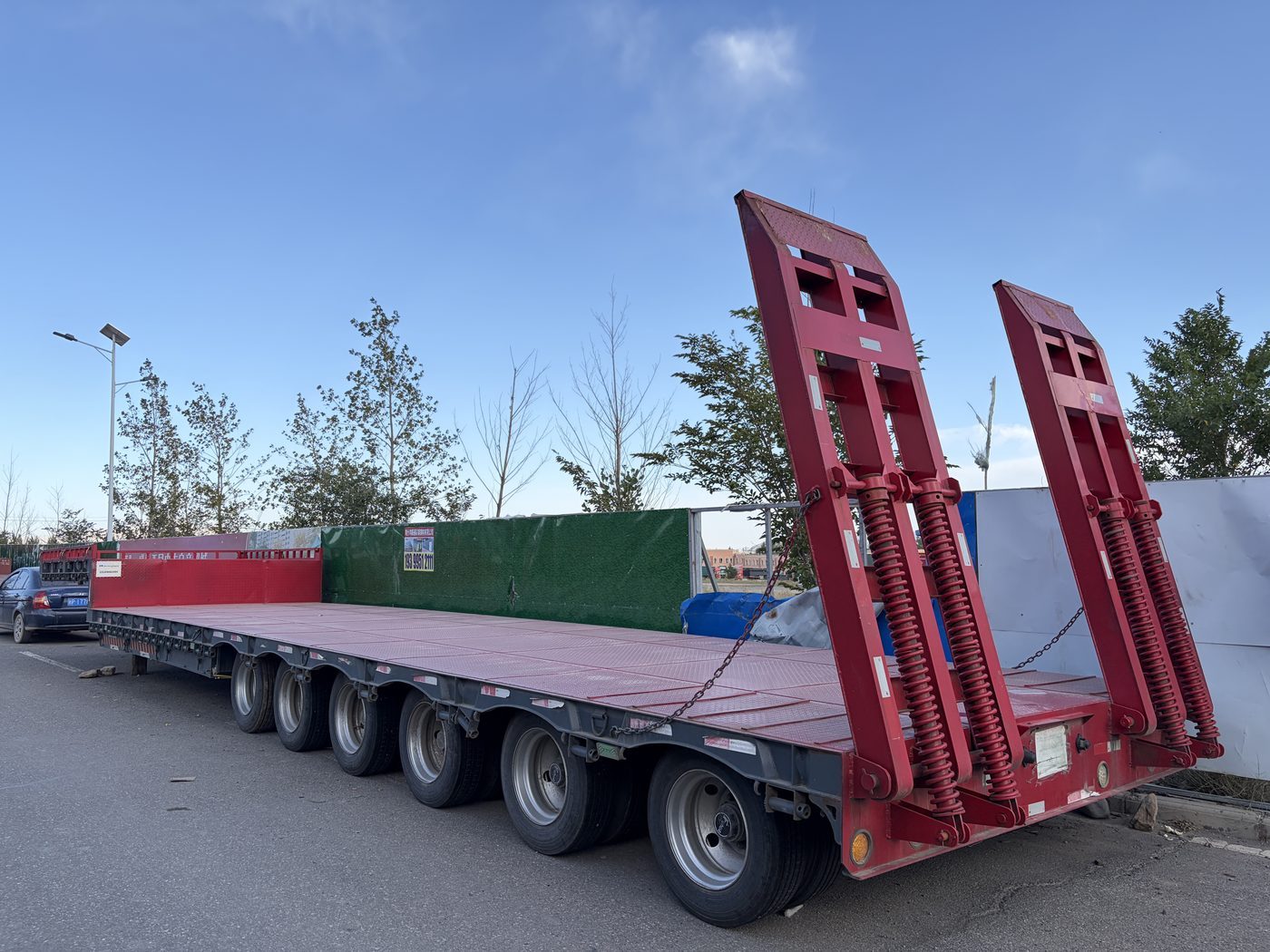
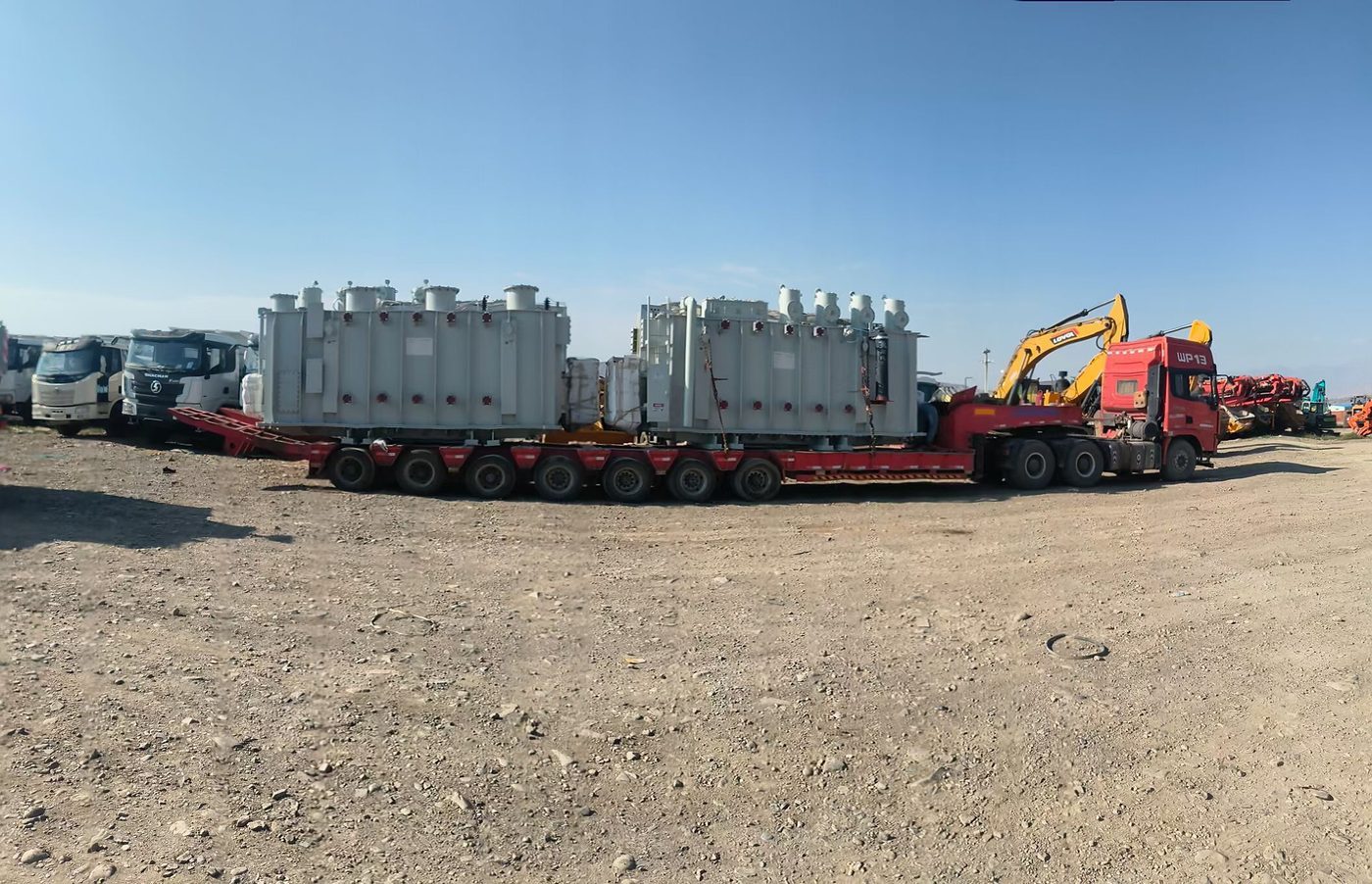
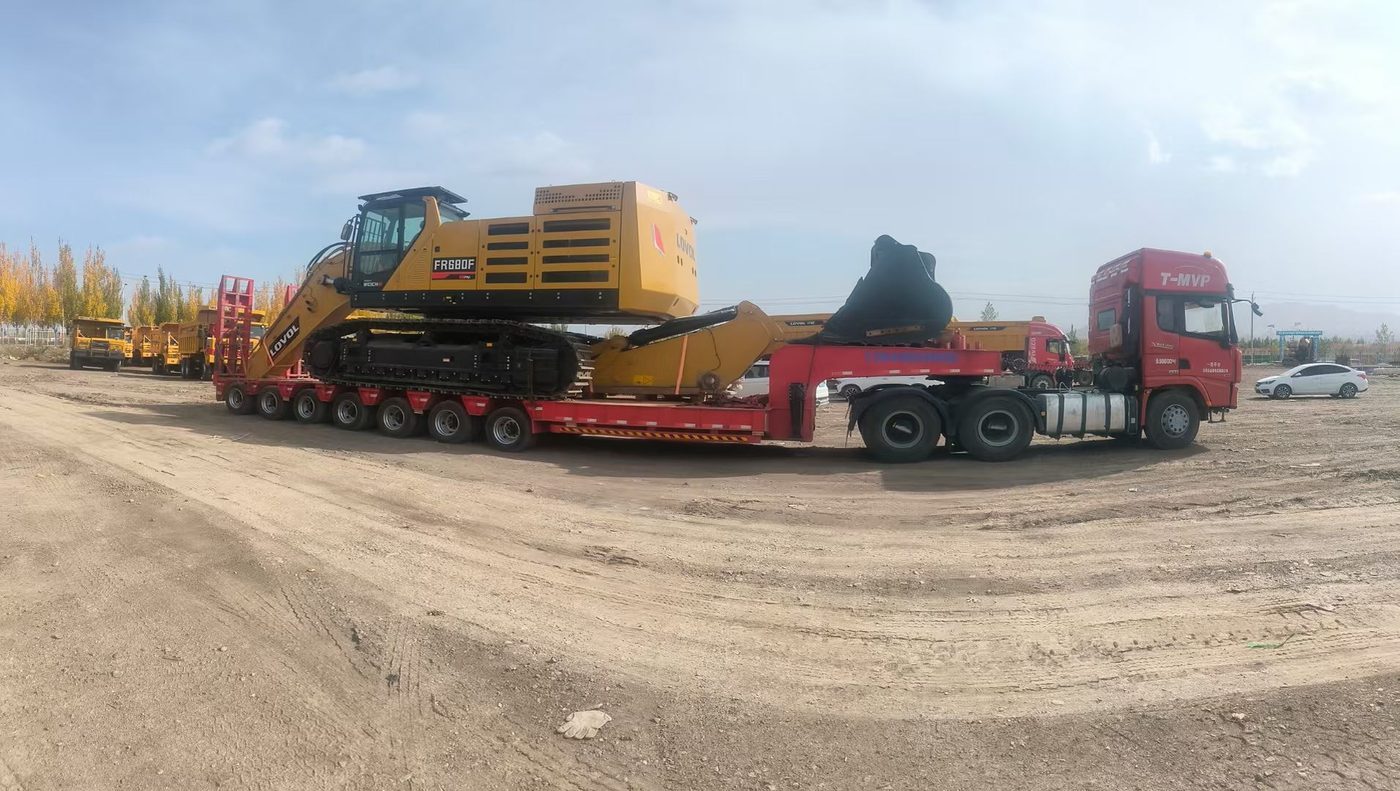
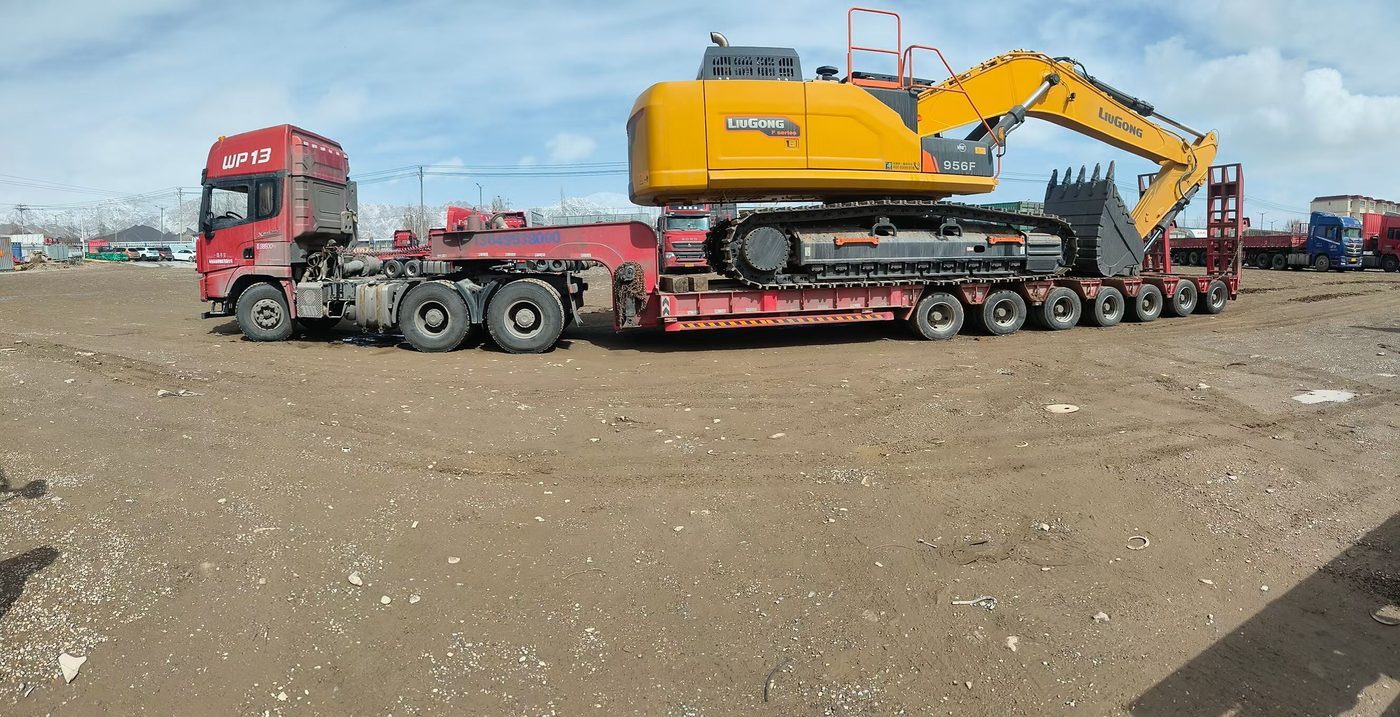
An open platform with no van height limit, suited to oversize and overheight equipment and components. After loading it must be covered with a tarpaulin and lashed at multiple points — inspections are frequent en route to the port.
Deck widened to 3 m — choose it for over-width machinery, steel structures and large molds. Confirm port and Kyrgyz road restrictions in advance for over-width items.
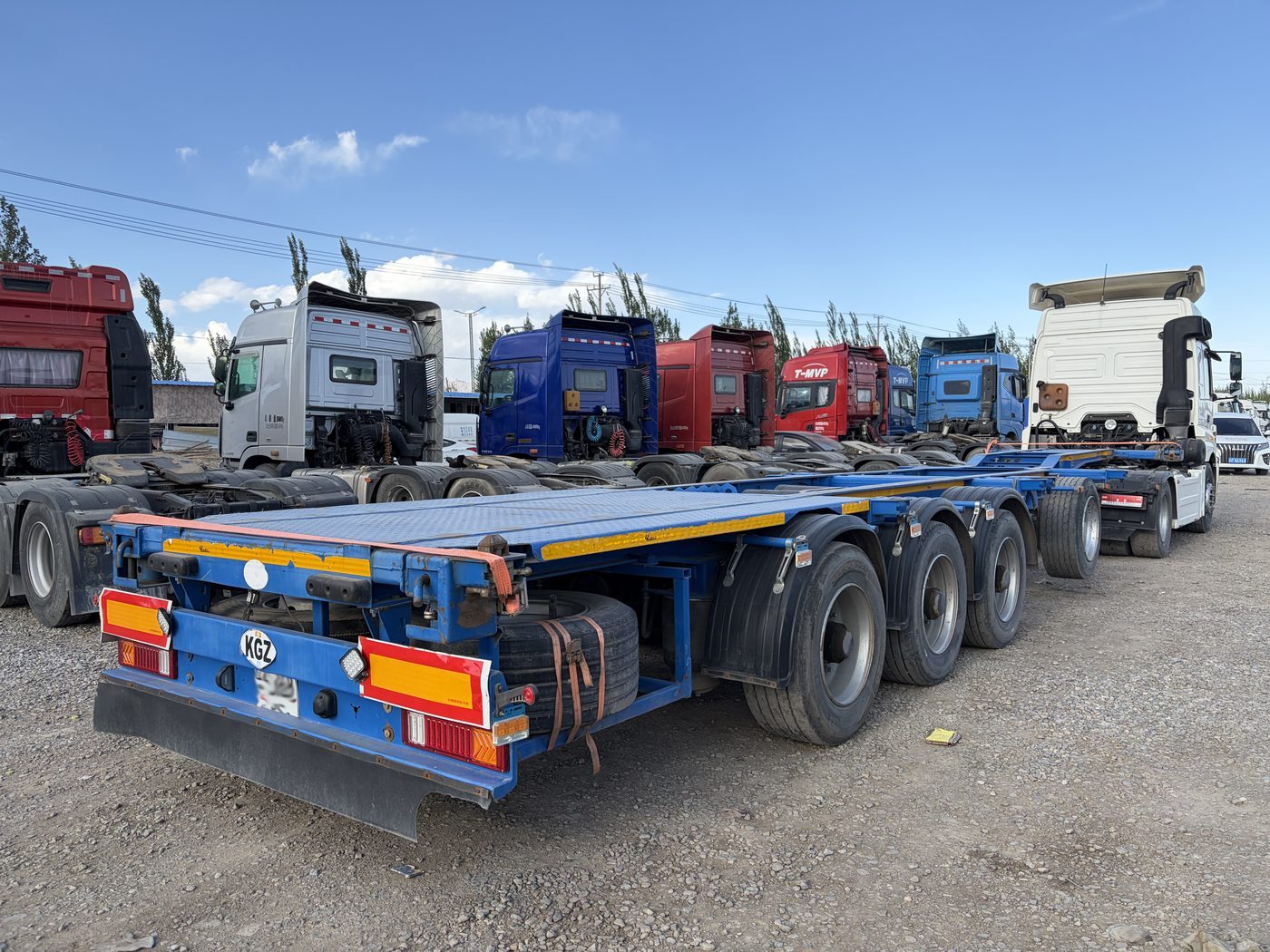
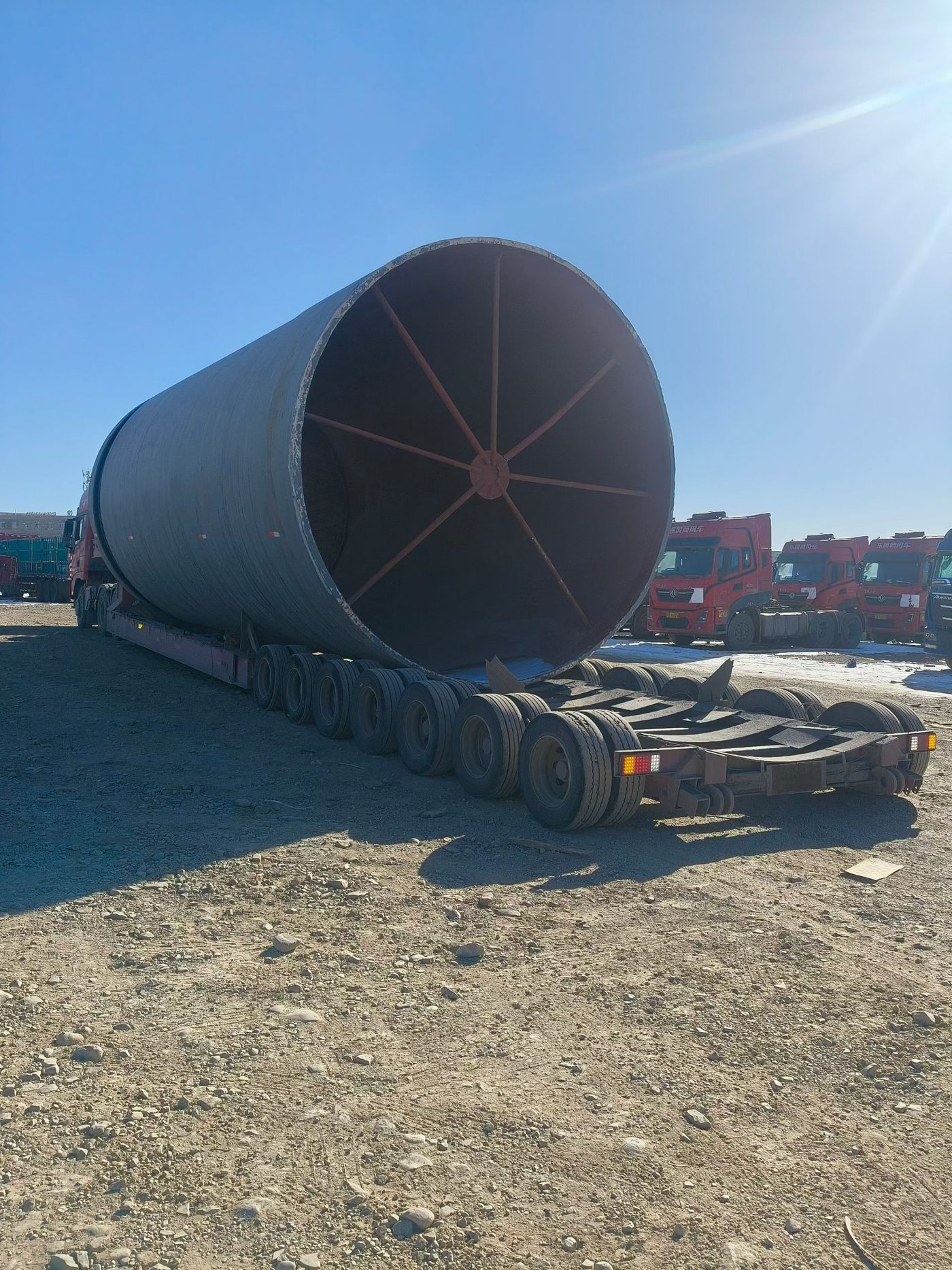
Deck extended to 16 m, purpose-built for long cargo: profiles, pipes, long-shaft equipment. The protruding part must be clearly marked and declared.
A dedicated chassis for 20 ft / 40 ft containers. Choosing it for full container loads avoids a second handling — suited to high-value, damage-sensitive cargo you don't want restuffed.
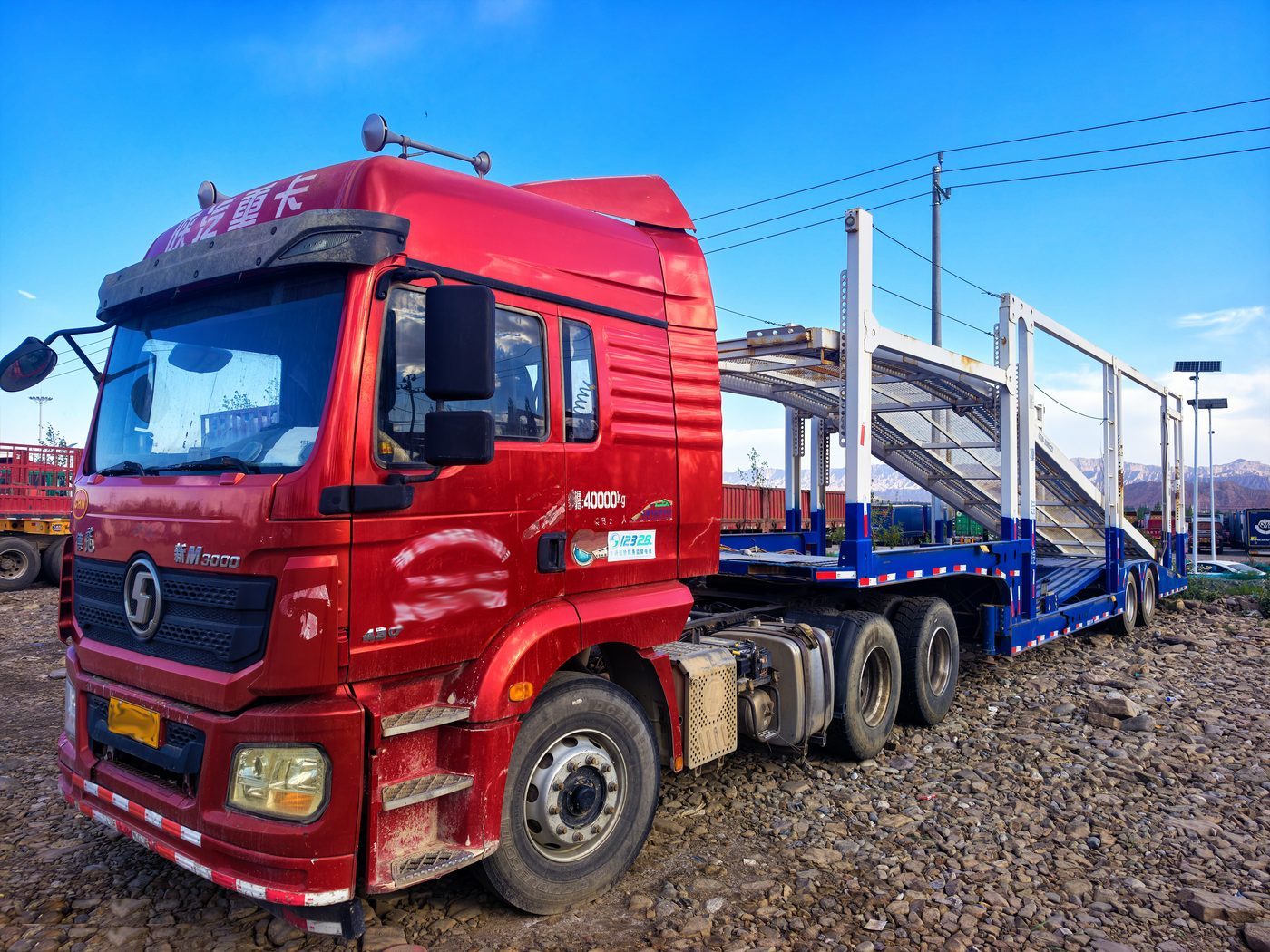
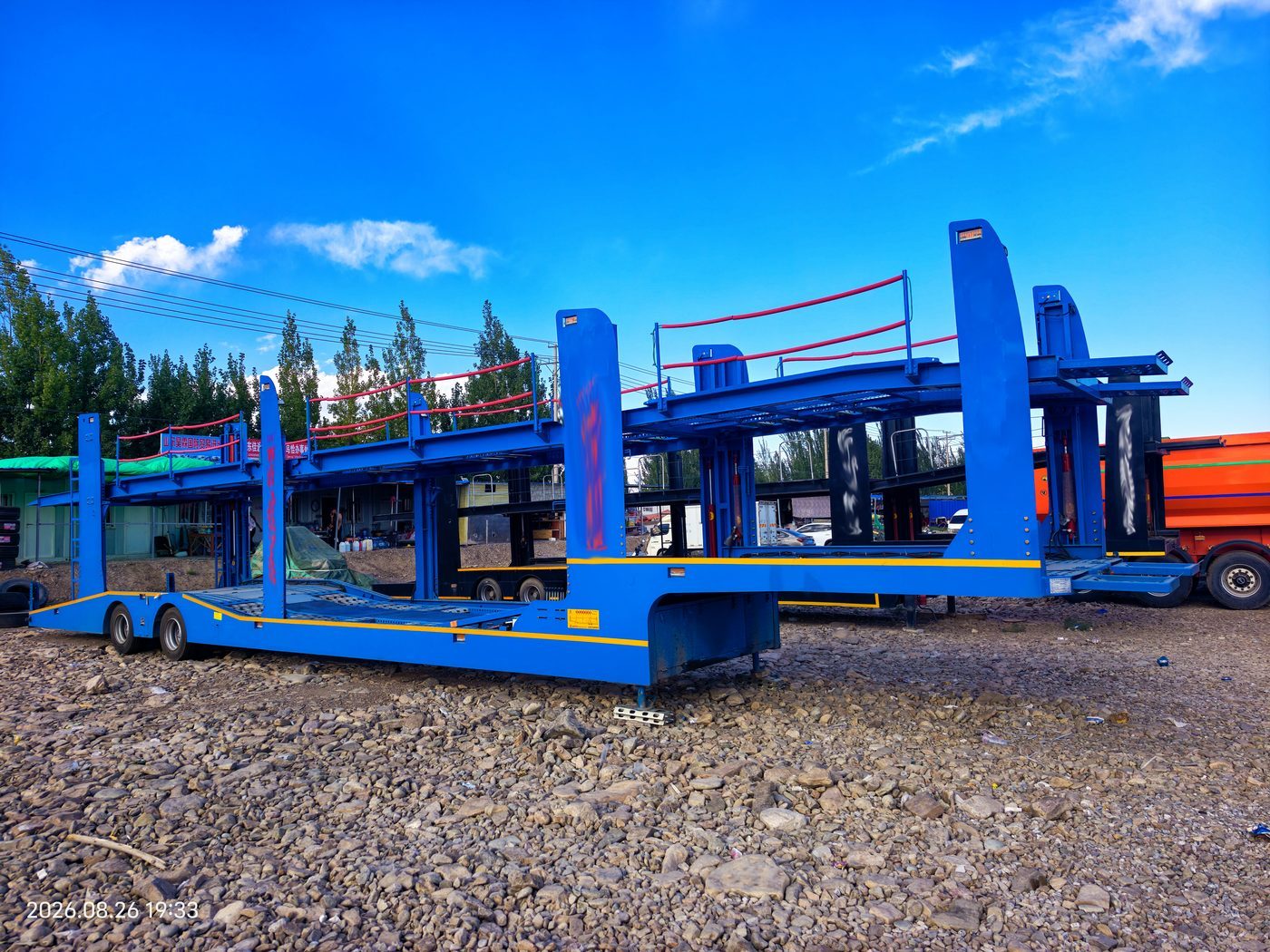
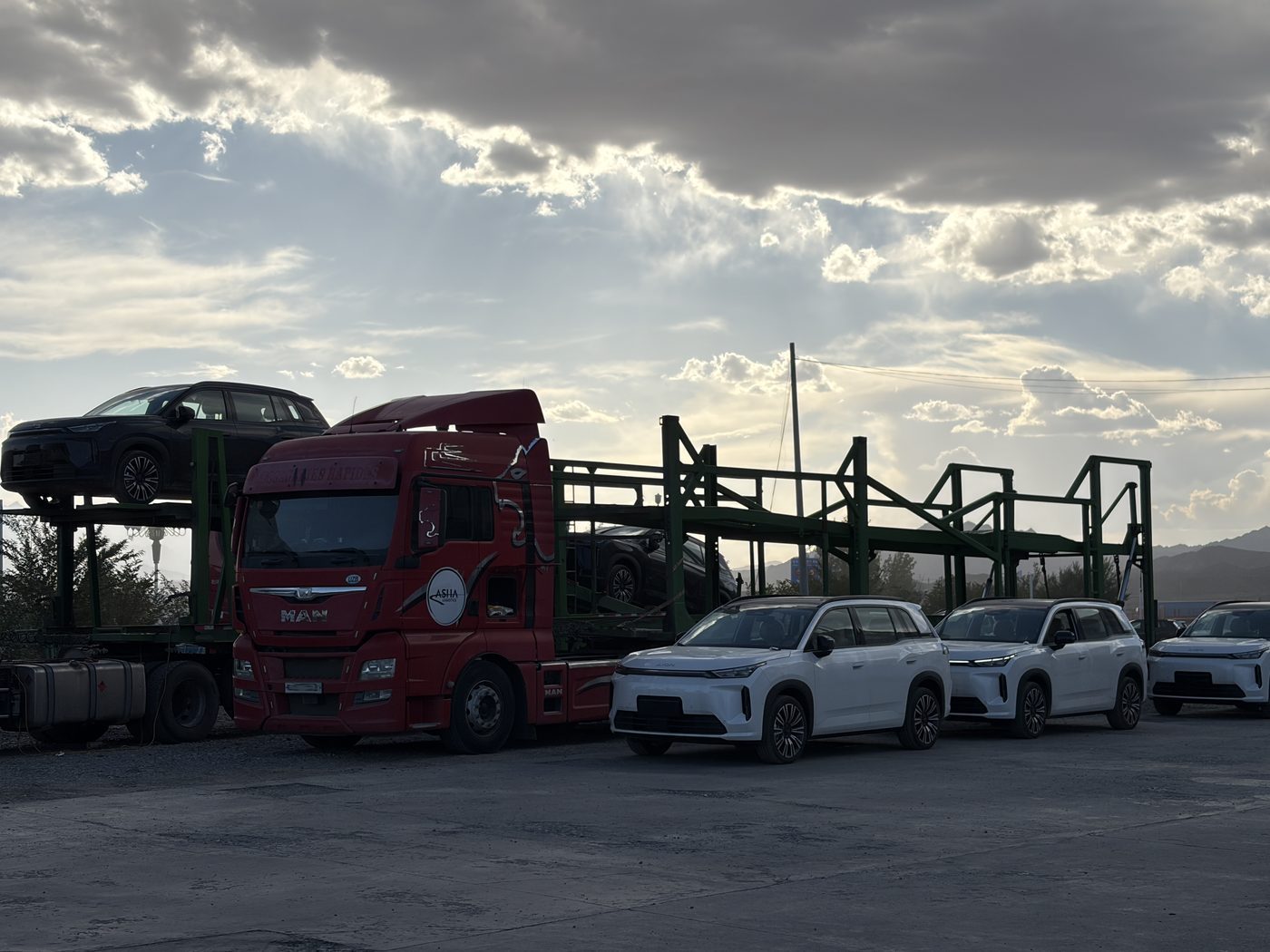
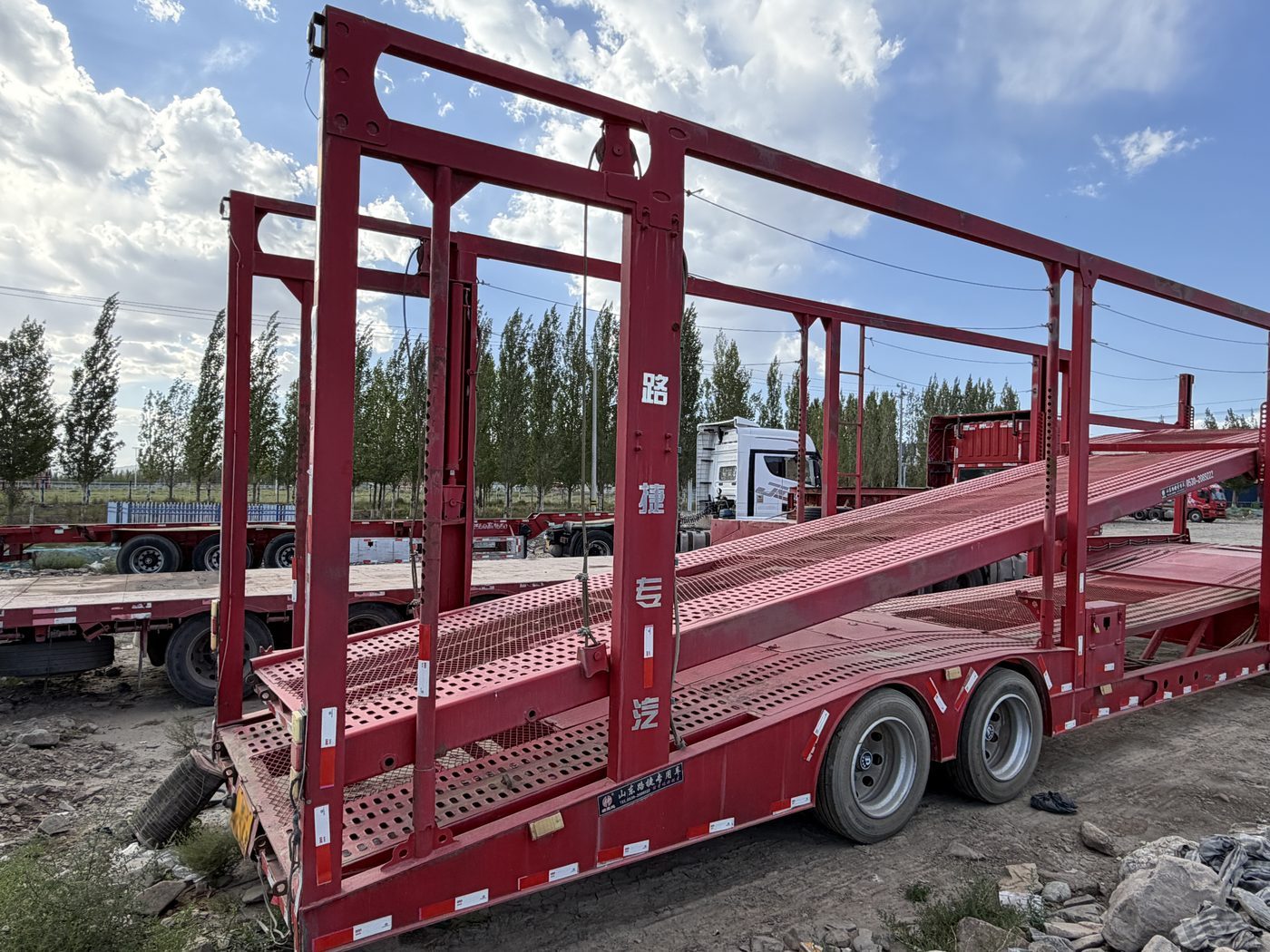
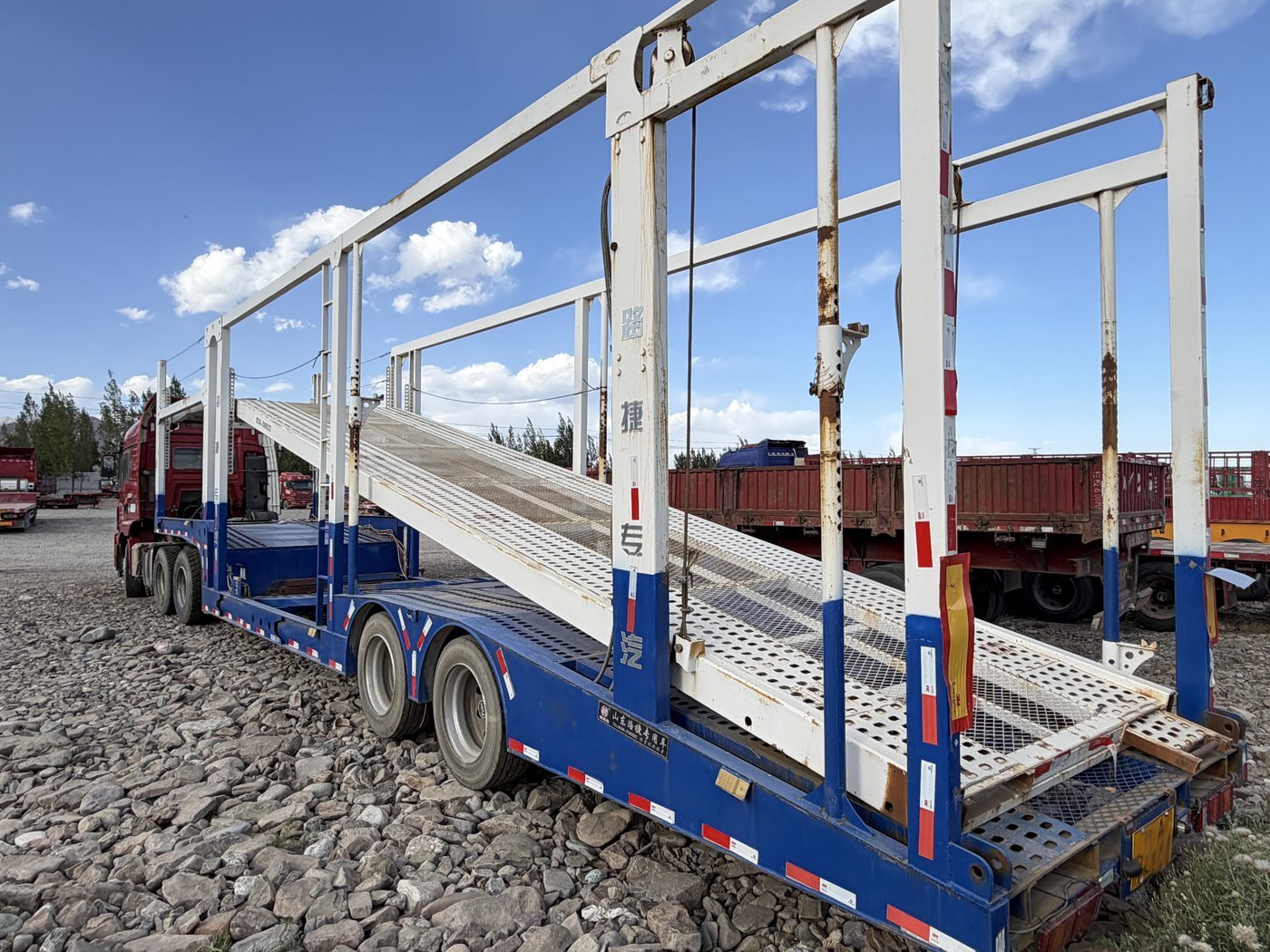
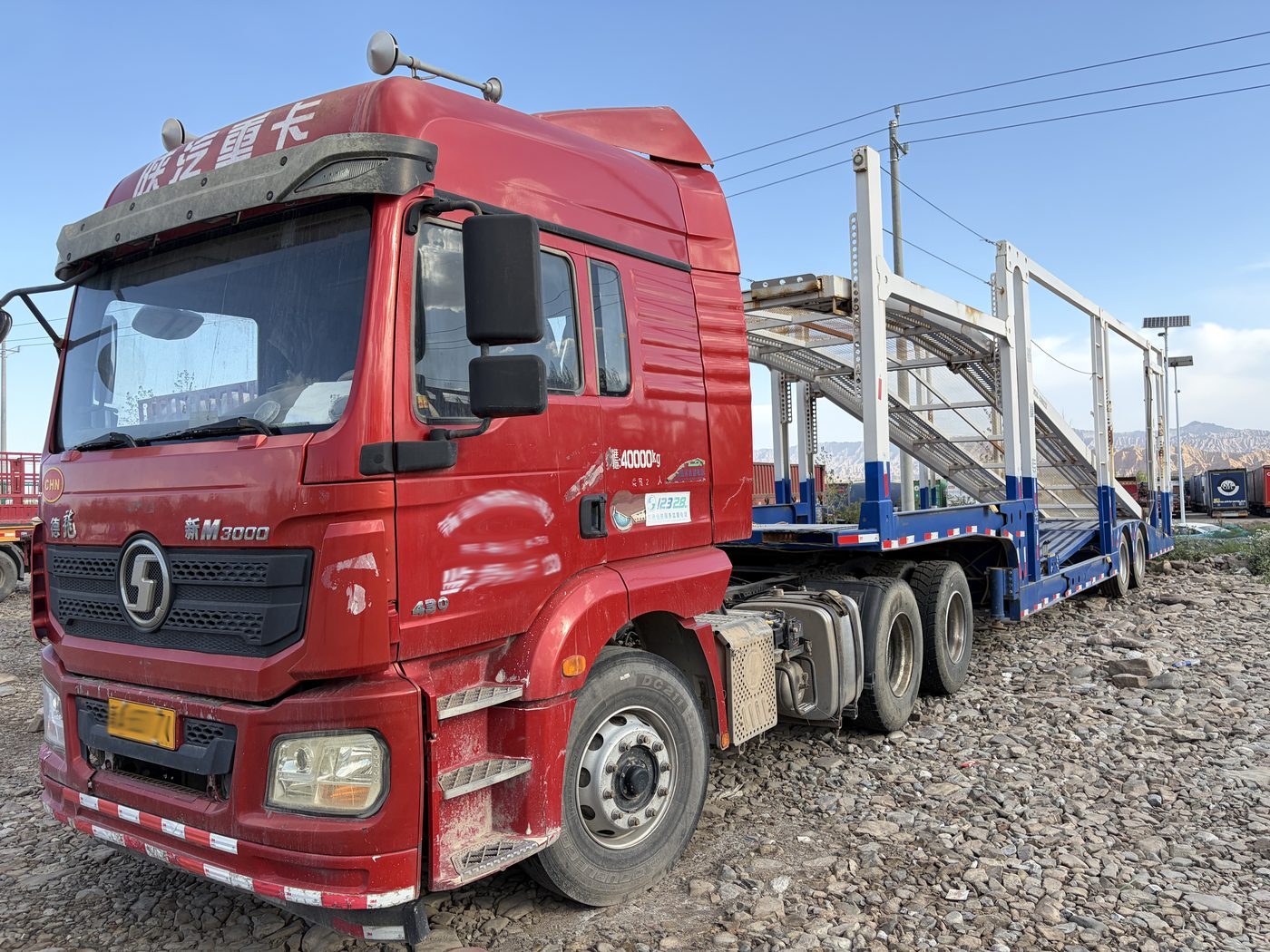
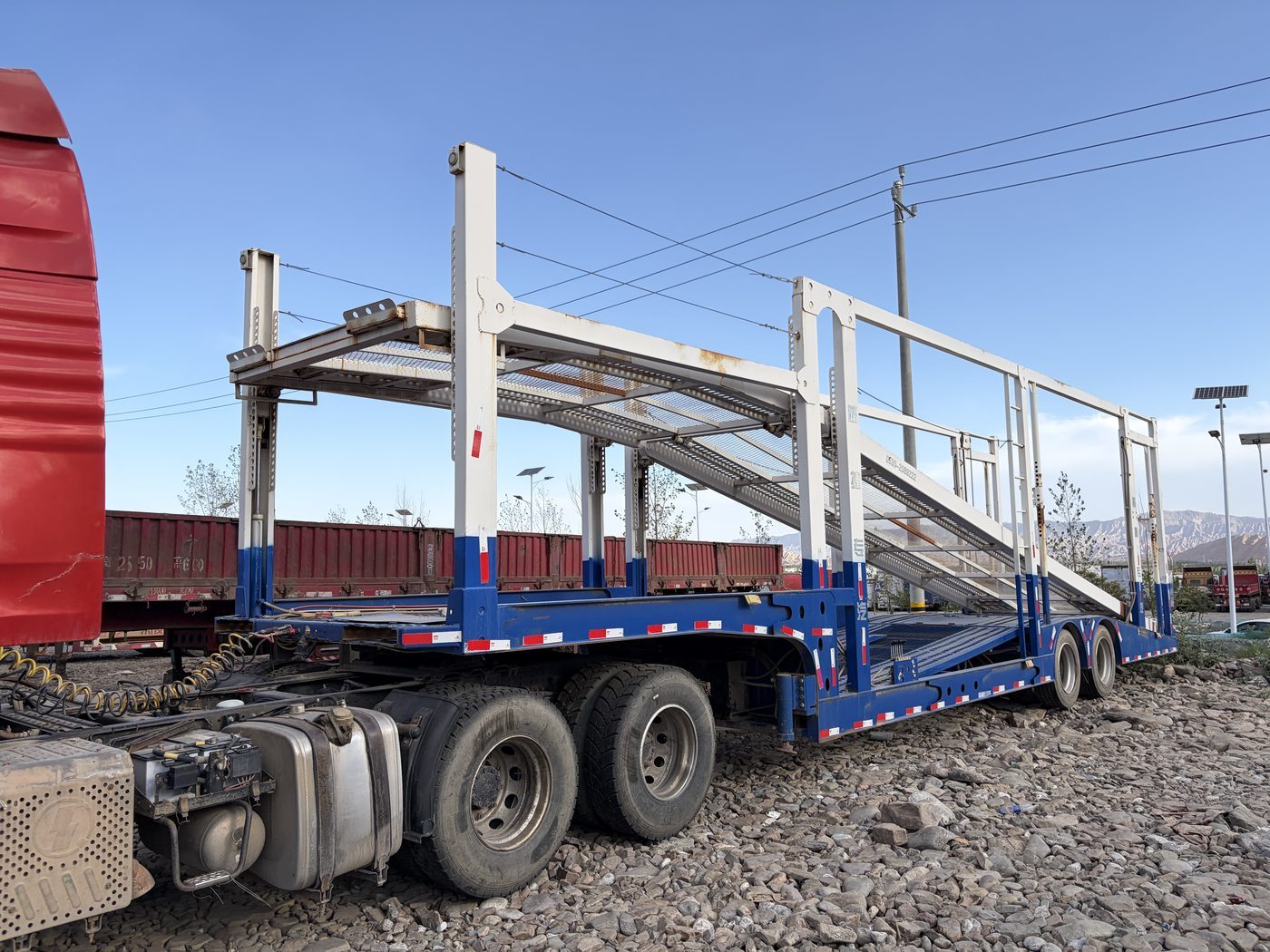
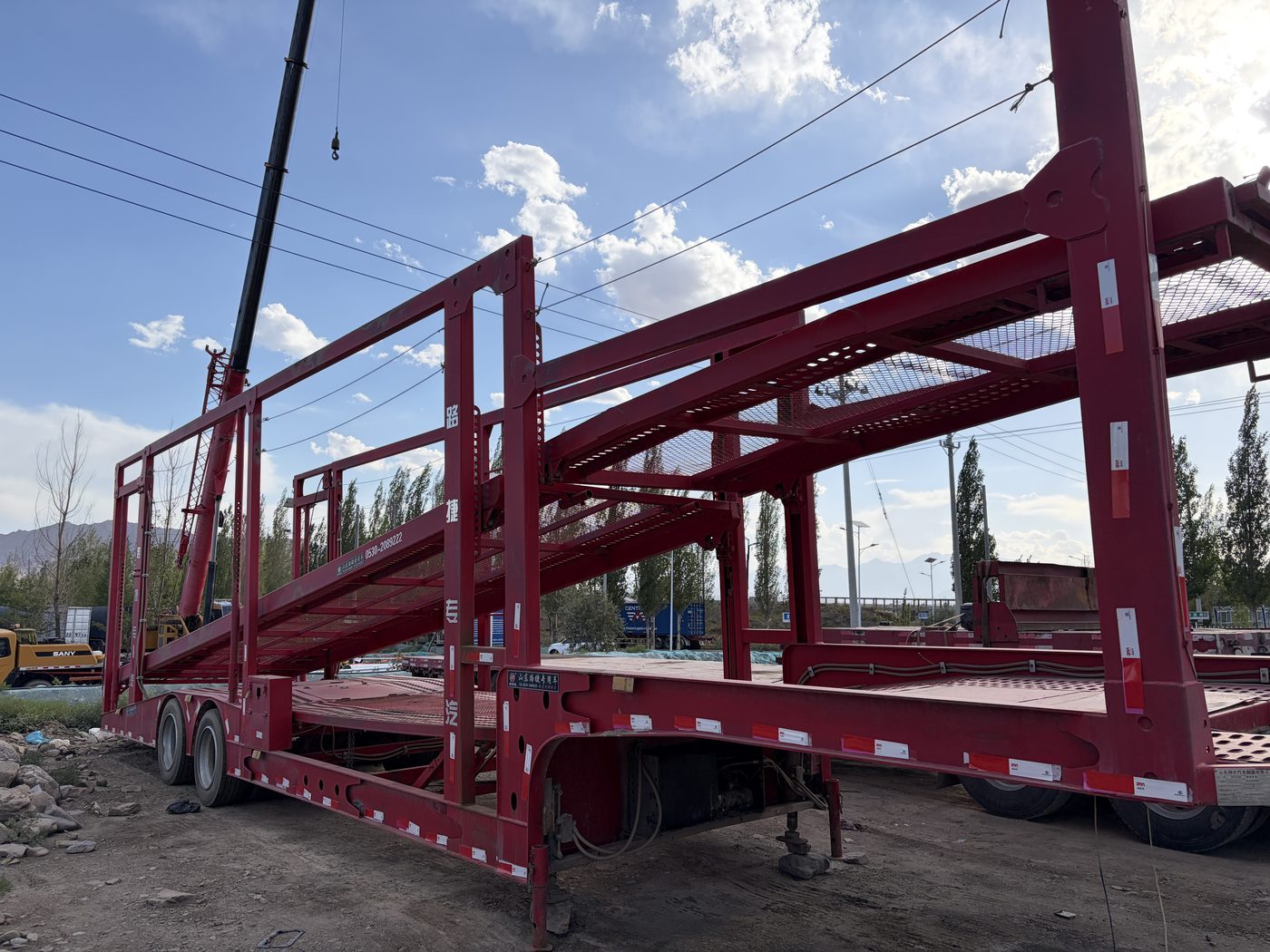
A double-deck cage structure dedicated to transporting cars / complete vehicles (new and used vehicle export). Loading is arranged by wheelbase and vehicle height, with upper and lower decks secured separately.
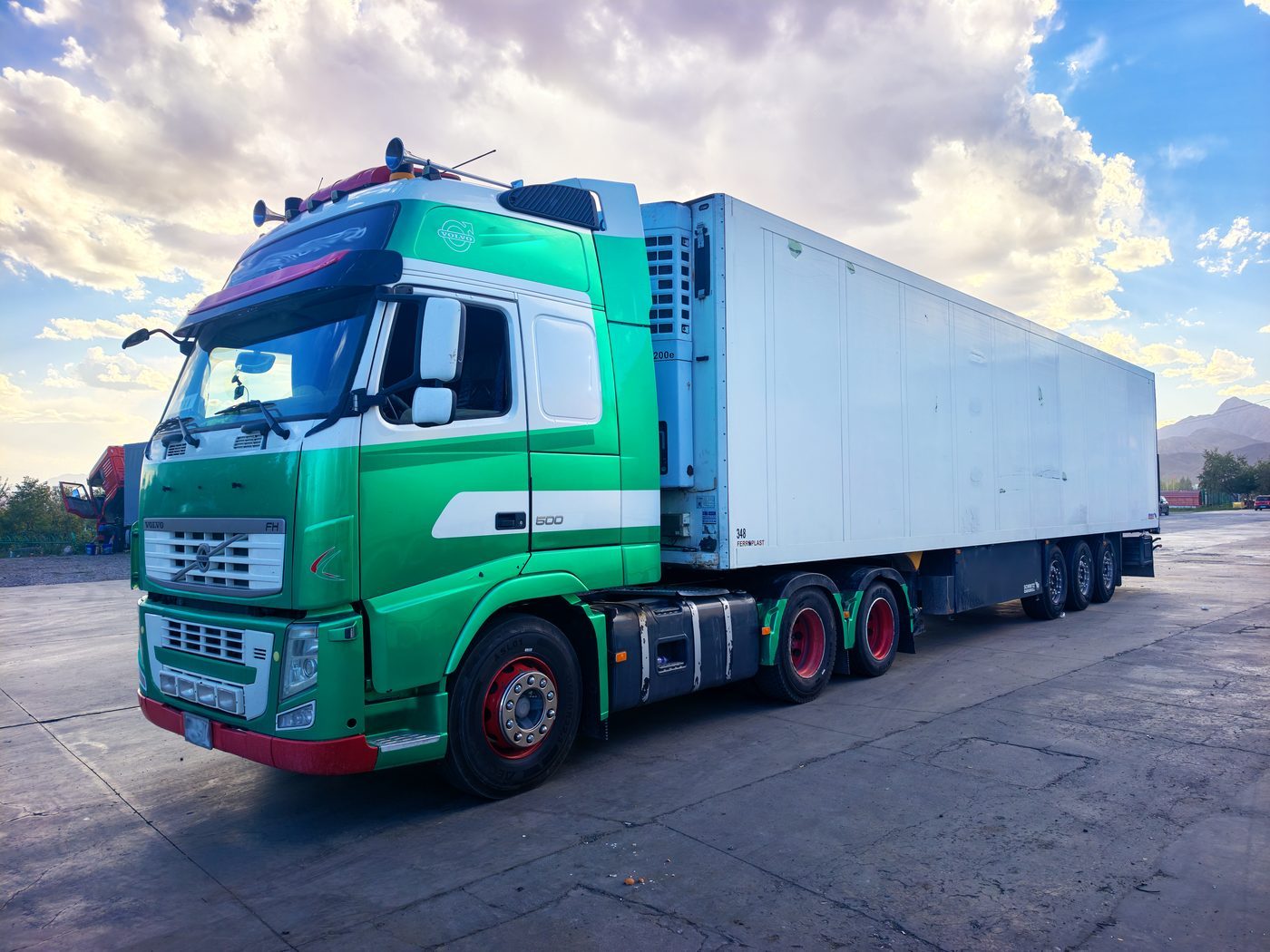
Fitted with an independent refrigeration unit, dedicated to temperature-controlled cargo such as fruit and vegetables, frozen goods, food and pharmaceuticals. Pre-cool before loading, leave air channels when stacking, and keep the unit running during port inspection.
Cross-border transport via the port involves an extra transfer step, so loading matters more than in domestic transport. These four points are where problems most often arise in practice:
Choose by cargo nature first: for heavy cargo like steel and equipment, calculate load capacity first; for bulky cargo like garments and general merchandise, calculate volume first. Most under-utilization comes from squeezing bulky cargo into a small vehicle.
Heavy cargo at the bottom, light on top; isolate fragile items to avoid crush damage over long hauls and during transfer.
Symmetric left to right and balanced front to back — this affects driving safety and directly determines whether port inspection goes smoothly.
Over-width, over-height and over-length items must be confirmed in advance against Chinese and Kyrgyz road restrictions; all flatbeds must be covered with a tarpaulin and lashed at multiple points.
The volume stated for a vehicle type is theoretical; actual loading is less. TakingYijiezi 90–100 cbmas an example: deduct loading access and stacking gaps, and usually apply a 15% reduction (85%)factor to estimate usable volume; if cargo is irregularly packed or palletized, apply a further 10% reduction. That works out to roughly 70–80 cbmof usable space.
Conversely, if you have heavy cargo, the volume will never be used up — the constraint is load capacity, not volume, so switch to “configure by ton and prefer a vehicle with lower tare weight”.