Many companies doing Central Asia trade for the first time easily confuse "customs declaration" and "inspection," or only focus on finding trucks and space, ignoring the most basic thing: export compliance.
The result: cargo arrives at the port only to find documents incomplete — at best a 2–3 day delay, at worst returned, losing freight and hurting delivery credibility.
This article systematically sorts out: for Central Asia exports, how exactly to do declaration and inspection, what documents are needed, and what pitfalls to avoid.
1. Customs declaration vs inspection — what's the difference?
This is the most frequently asked question. Many companies think "declaration is inspection" — actually they are completely different:
| Dimension | Customs Declaration | Inspection |
|---|---|---|
| Declaration object | Customs | Entry-Exit Inspection and Quarantine authority |
| Regulatory content | Goods legality, taxes, HS classification | Quality, safety, hygiene |
| Legal basis | Customs Law | Commodity Inspection Law |
| Declaration time | 24 hours before loading | Before declaration (for inspected goods) |
| Required documents | Declaration, invoice, packing list, etc. | Inspection form, test reports, etc. |
| Who does it | Customs broker / declarant | Inspection agent (often the same proxy) |
💡 Key conclusion: declaration and inspection have different objects and legal bases, but are usually entrusted to the same declaration company and jointly called "declaration and inspection."
2. Basic export process: four steps
From the cargo owner's view, the export declaration process has four steps:
Step 1: Prepare documents (3–5 days before shipment)
Export declaration doesn't start at the port. Document preparation is the most time-consuming link. The exporter must confirm all documents are complete and accurate before cargo enters the warehouse. Common problems: uncertain HS code, invoice amount inconsistent with contract, packing list count inconsistent with actual.
You need to confirm:
- Whether the cargo HS code is accurate (customs commodity code, 10 digits)
- Whether goods info on invoice, packing list, contract is consistent
- Whether special documents like export license or quota certificate are needed
- Whether it's a legally-inspected commodity (needs inspection in advance)

Step 2: Electronic declaration (24 hours before loading)
Under the Customs Law, the exporter must declare to customs at least 24 hours before loading. Enterprises declare via China's International Trade "Single Window" (https://www.singlewindow.cn).
Declaration content includes: business unit, consignee/shipper, transport mode, trade mode, goods name, specs, quantity, weight, price, country of origin, etc.
What if information is filled wrong? Amend the declaration before release, or file a correction after — both cost time, so fill carefully.
Step 3: Customs inspection (random)
Customs has the right to inspect import/export goods to verify consistency with the declaration. Inspection is by machine scanning or manual (open-box) check.
Being selected for inspection is normal — don't panic. But inspection means the cargo stays at the port longer; a declaration company with inspection experience and resident port staff can help you finish faster.
Step 4: Tax payment and release
Most export goods enjoy the export tax rebate policy and pay no import/export duty. But confirm the rebate rate for the HS code and calculate the rebate.
After customs review passes and inspection is clear, a release notice is issued and cargo can be loaded and exit.
3. What documents are needed for Central Asia exports? Itemized list
Documents for Central Asia exports fall into two categories: basic documents and special documents.
Basic documents (mandatory)
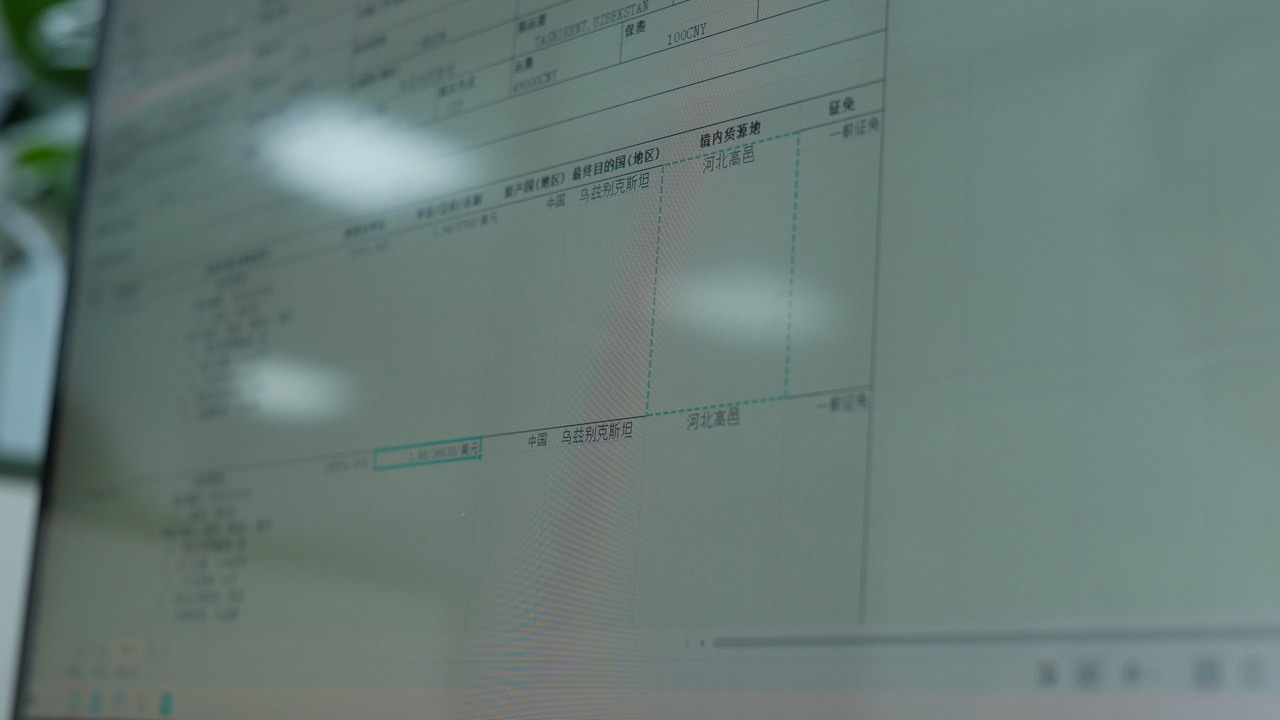
The legal document declaring goods to customs, filled in the "Single Window" and printed, in duplicate. For tax rebate, an extra yellow rebate-specific declaration is needed. The declaration is the core document of the whole export process; info must exactly match invoice and packing list.
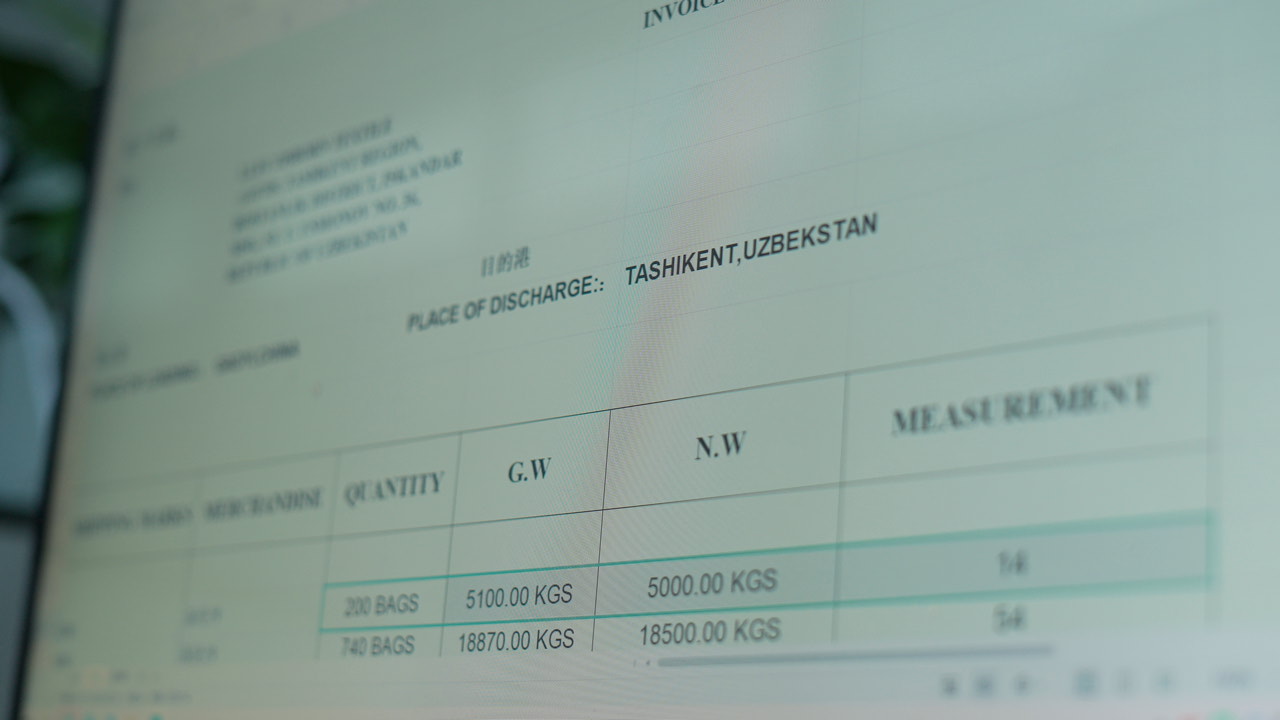
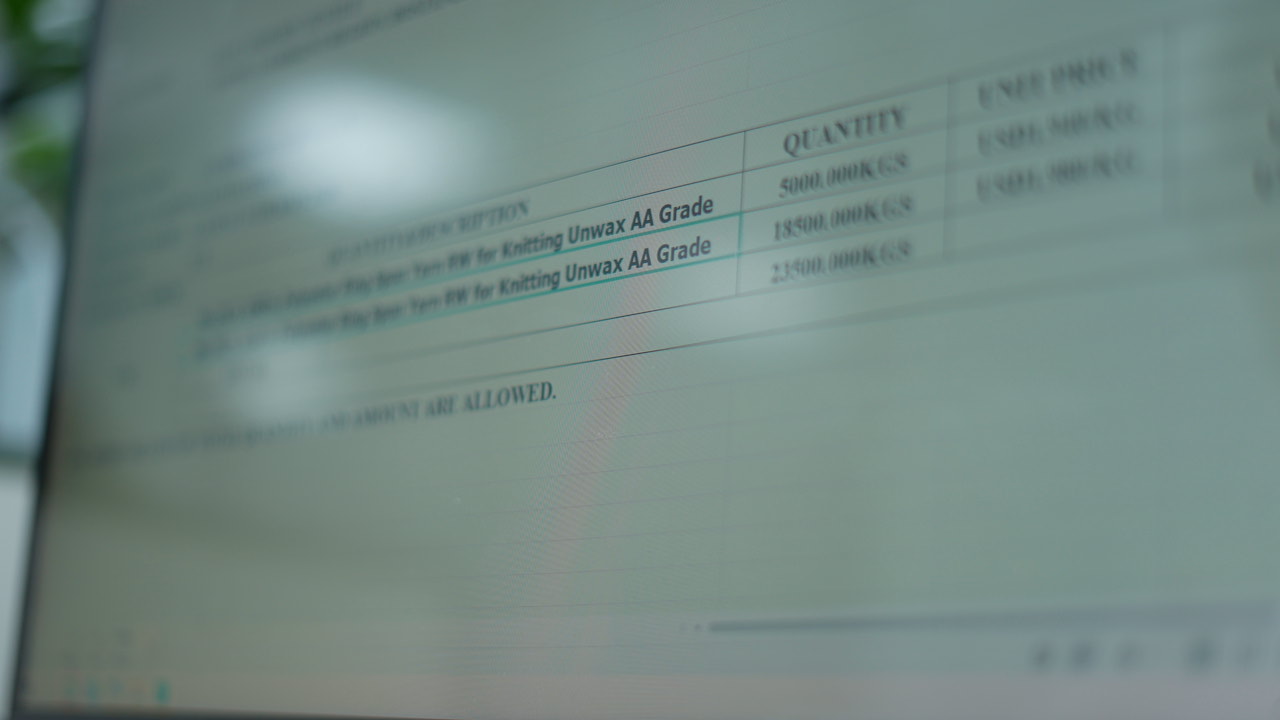
Document proving goods value, issued by the exporter. Must include: exporter name/address, importer name/address, goods description, quantity, unit price, total price, trade terms (FOB/CIF, etc.). One fewer copy than the declaration, stamped with exporter's seal.
List describing cargo packaging, must include: net/gross weight per package, piece count, box number, goods description. The basis customs checks during inspection. Same copy count as invoice, stamped.
Trade contract between exporter and importer, must include name, quantity, price, delivery terms. Customs may request it if needed.
Central Asia exports mainly go by road; road transport uses the international road waybill (CMR).
If a declaration company is entrusted to declare, an original power-of-attorney for declaration is needed. Some regions require a unified format, stamped.
Special documents (added as needed)
Under China's Commodity Inspection Law, legally-inspected commodities (those involving quality, safety, hygiene) need inspection before declaration, obtaining the "Exit Goods Clearance Sheet" before declaring. Check the customs website for the commodity catalog.
Document proving country of origin; the importer may need it for destination clearance.
- General Certificate of Origin (CO)
- Preferential Certificate of Origin
CO application entry: China International Trade "Single Window".
China controls export licenses for some goods (agricultural products, rare earths, weapons, etc.). Confirm before export whether the goods are under license control.
For dangerous goods export, provide the "Result Sheet of Identification for Use of Export Dangerous Goods Transport Packaging" (commonly "DG Packaging Certificate"), issued by the entry-exit inspection and quarantine authority. Must be handled before shipment; contact the declaration company 7–10 working days in advance.
4. HS code: filling it wrong causes big trouble
The HS code (customs commodity code) is the cargo's "ID" in the customs system, deciding tariff rate, rebate rate, and regulatory conditions. For Central Asia exports, HS code accuracy directly affects two things:
- Inspection rate
- Tax rebate
Advice: query the HS code via the customs "Single Window," or entrust an experienced declarant to confirm. Especially machinery, electronics, and chemicals have many subcategories — verify before shipment.
5. For Central Asia exports, declaration and inspection can be entrusted together
After all this, you may feel: the process is complex, I can't do it myself.
That's right. Export declaration and inspection is professional work requiring licensed declarants. Especially for Central Asia, passing multiple ports with different languages and regulations, it needs experienced hands.
Xier International Logistics' approach:
- A 15-person professional declaration team, average 5+ years experience, core-port HS code database
- Resident field staff at 9 major ports (Irkeshtam, Torugart, Karasu, Khorgos, Alashankou, etc.), on-site inspection follow-up
- One-stop service from document preparation to declaration and inspection — you only provide basic info, we handle the rest
- Dangerous-goods export (chemicals, batteries, coatings, etc.) with professional qualifications — few southern Xinjiang forwarders can do it; we are one
You only need to prepare the cargo and give us your contact — Xier handles the whole process.
Frequently Asked Questions
① What's the difference between export declaration and export inspection?
Declaration reports goods import/export status to customs, mainly governing legality, taxes, and HS classification; inspection reports goods quality, safety, hygiene to the entry-exit inspection and quarantine authority. Different objects, different legal basis, but often entrusted to the same declaration company, jointly called "declaration and inspection."
② What basic documents are generally needed for Central Asia exports?
Basic documents: export goods declaration, commercial invoice, packing list, export contract, transport document (waybill or bill of lading). Depending on cargo type, may also need: exit goods clearance sheet (legally-inspected), certificate of origin (CO), export license (controlled goods), DG Packaging Certificate (dangerous goods), etc.
③ What are the consequences of filling the HS code wrong?
The HS code is the cargo's "ID" at customs; wrong filling may raise inspection rate, miscalculate taxes, cause detention, and delay clearance. Entrust an experienced declarant or confirm via the customs "Single Window."
④ Which certificate of origin is needed for the five Central Asian countries?
China and the five Central Asian countries currently apply MFN rates. General trade exports can apply for a General Certificate of Origin (CO), issued by CCPIT or customs, usable for any country. If goods involve a specific preferential trade arrangement, consult customs to confirm.
⑤ What extra documents are needed for dangerous-goods export?
Dangerous-goods export needs the "Result Sheet of Identification for Use of Export Dangerous Goods Transport Packaging" (DG Packaging Certificate) in advance, issued by the entry-exit inspection and quarantine authority. Also a dangerous-goods description and cargo photos. Contact a qualified declaration company 7–10 working days ahead. At southern Xinjiang ports, very few forwarders can handle dangerous-goods export — confirm the other party's qualifications when choosing.
Questions about export declaration and inspection? Xier Is All You Need
From document preparation to port clearance, Xier International Logistics' 15-person declaration team handles it all — you only need to prepare the cargo.
About the Author: Xier International Logistics specializes in Central Asia logistics market analysis and digital solutions. This article is based on Xier International Logistics' 10 years of frontline data and industry research and is for reference only; specific plans should be tailored to cargo characteristics.